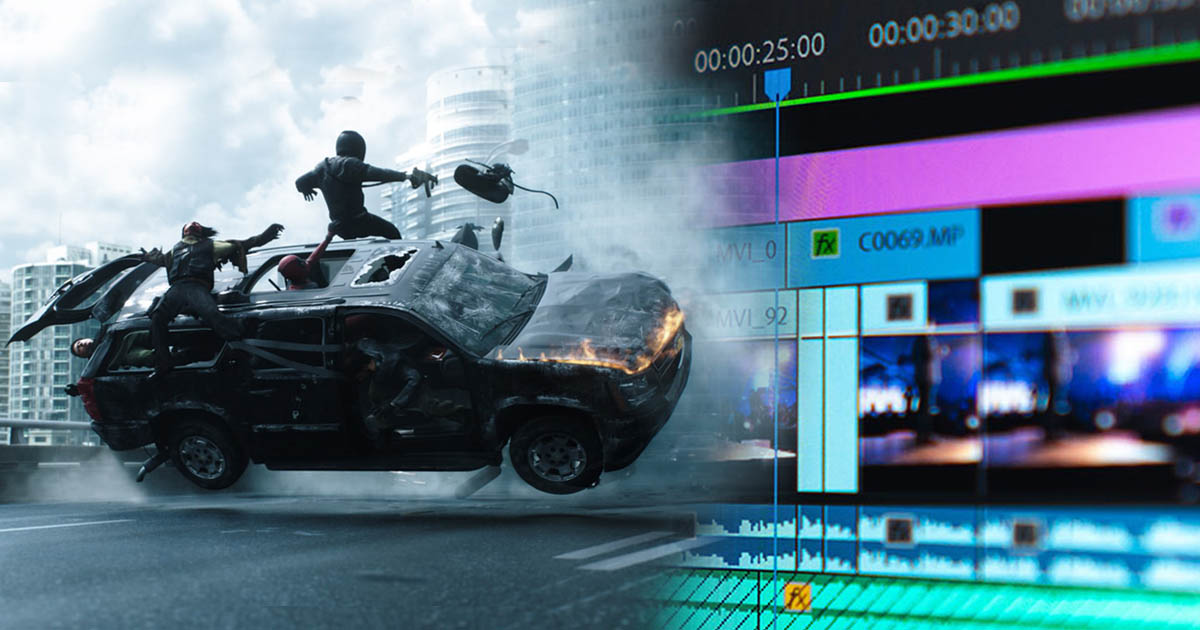

Sound design in film and animation refers to the processes that take place after filming or animation production, aimed at adding, refining, and integrating audio elements. This stage is crucial in the overall production workflow and encompasses all tasks necessary to complete and enhance the soundscape of a project.
To describe the process more precisely: sound design involves the creation and production of all audio elements in a visual project, including dialogue recording, sound effects, musical score, and final audio mixing, to ensure cohesion and deliver a rich, impactful experience for the audience. This definition highlights that sound design goes far beyond simply “adding sound to images” it involves complex processes such as designing sounds, synchronizing them with visuals, and combining all audio elements into a final mix.
More specifically, sound work in film and animation is often divided into Sound Design and Post-Production Sound. While both relate to audio in visual media, they have distinct roles and processes.
Applications of Sound Design
Sound design is employed in any project that uses audio to communicate with an audience. This includes films, animated features, video games, commercials, documentaries, podcasts, theater productions, and even informational systems. In all cases, the goal of sound design is to enhance the auditory experience, reinforce messaging, establish mood and emotion, and synchronize sound with visuals or informational content.
Sound Design Process
Sound design is the art of creating and shaping sounds for film or animation. It includes all types of sounds: environmental sounds, special effects, and unreal or exaggerated audio designed to evoke atmosphere and emotion within the story. The primary goal is to deliver a unique auditory experience for the audience.
Sound designers may generate entirely new sounds or manipulate real-world recordings to match the emotional tone and narrative of the project. This can involve creating imaginative, previously nonexistent sounds, designing complex effects, or subtly altering natural audio to suit the story. Typically, this process occurs before the final stages of post-production, ensuring that the audio landscape complements and enhances the visual narrative.
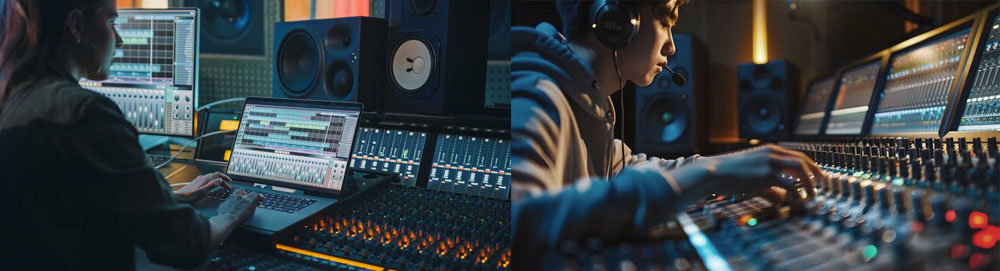
Definition and Purpose
Post-production sound refers to the set of audio processes carried out after filming or initial animation production, aimed at finalizing and refining the project’s audio. This stage includes multiple tasks such as dialogue editing, adding sound effects, re-recording dialogue (ADR), sound mixing, and incorporating music. The primary goal is to adjust, correct, and synchronize all audio elements with the visuals, ensuring the final sound matches the edited film or animation seamlessly.
During post-production sound, all audio components dialogue, sound effects, music, and more are combined to produce a cohesive auditory experience. Key tasks in this stage include:
-
Sound Mixing: Blending all audio elements together into a final mix.
-
Dialogue Editing: Removing unwanted noise and improving audio quality.
-
Adding Sound Effects: Integrating designed sound effects with the visual footage.
-
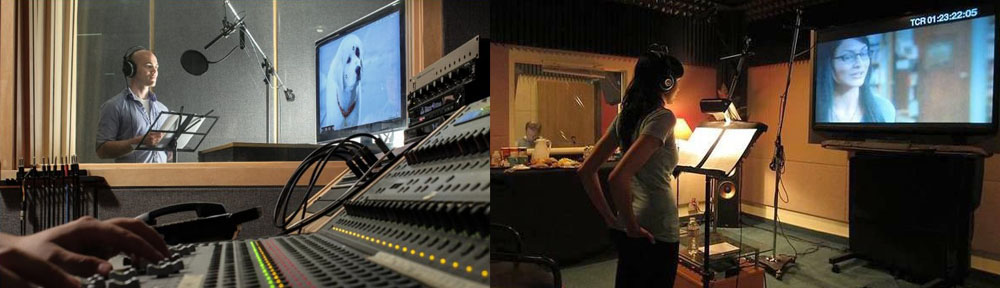
ADR (Automated Dialogue Replacement): Re-recording dialogue in a studio to improve clarity, quality, and synchronization with on-screen performances.
Key Differences: Sound Design vs. Post-Production Sound
While Sound Design focuses on the creation and design of unique, original sounds, Post-Production Sound is concerned with refining, balancing, and integrating these sounds with other elements of the film or animation. Sound design usually occurs earlier in the production process, while post-production sound takes place after filming and during editing. In essence, sound design serves storytelling and emotional expression, whereas post-production sound ensures a polished, immersive audio experience that aligns perfectly with the visuals.
Audio Specialists in Film and Animation
-
Sound Designer: Responsible for creating and designing sound effects, ambient sounds, and other audio elements for films or animations. They often produce innovative or character-specific sounds that enhance storytelling and atmosphere.
-
Sound Engineer: Handles the recording, editing, and mixing of audio during production. They ensure the highest quality of sound is captured and maintained throughout post-production.
-
Sound Mixer: Specializes in combining various audio tracks dialogue, sound effects, music into a balanced and cohesive final mix that supports the visuals.
-
Voice Actor: Provides voices for animated characters or dubbed films, delivering performances that match the emotional tone and timing of the visuals.
Each of these roles is vital in creating a rich and believable auditory experience, and one individual may perform multiple roles depending on the project.
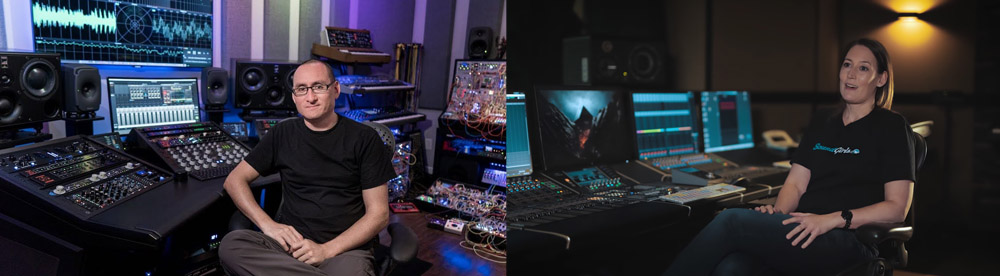
Main Steps in Post-Production Sound
-
ADR (Automated Dialogue Replacement):
ADR is the process of re-recording dialogue after filming or initial animation. It is used to fix audio issues, improve clarity, and ensure precise synchronization between dialogue and on-screen character movements.
Reasons for Using ADR (Automated Dialogue Replacement)
-
Audio Quality:
During filming or animation recording, environmental factors such as background noise, wind, traffic, or other unwanted sounds can prevent clear dialogue capture. In these cases, the dialogue must be re-recorded in a studio to ensure clean, noise-free audio. -
Dialogue Correction:
Sometimes lines need to be adjusted or re-performed for example, if an actor wants to improve their delivery or if the script has been revised. -
Lip Syncing:
In animation particularly 2D or 3D dialogue is often recorded before the animation is finalized. After completing the animation, certain lines may need to be re-recorded to match the characters’ mouth movements accurately. -
Error Correction:
If mistakes occur during recording, or technical issues compromise the original audio, ADR allows dialogue to be re-recorded to maintain professional quality.
The ADR Process in Film and Animation
-
Selecting the Required Sections:
The first step is to identify scenes or portions of a film or animation that need dialogue replacement. These may include lines with poor audio quality, pronunciation errors, or minor script changes. -
Recording Dialogue:
After identifying the sections, the actor or voice artist records the dialogue in a studio while watching the corresponding footage. The recording must be precisely timed to the actors’ or characters’ lip movements. -
Synchronizing Audio with Visuals (Lip Syncing):
The new dialogue is carefully aligned with the characters’ mouth movements to ensure seamless synchronization. The goal is for the audience not to notice that the dialogue was added after the original production. -
Mixing and Editing:
Once recorded, the new dialogue is integrated with other audio elements, such as sound effects and music. The sound engineer then adjusts levels, clarity, and balance to achieve a polished final mix.
Importance of ADR
-
Enhancing Film Quality:
Using ADR contributes to producing high-quality films or animations. Clear and precise dialogue significantly improves the audience’s overall experience. -
Fixing Technical Issues:
ADR helps resolve audio problems that may occur during filming or animation production, such as background noise, microphone issues, or recording errors. -
Better Synchronization with Visuals:
Sometimes dialogue needs to be perfectly aligned with characters’ movements. ADR allows for precise lip-syncing and timing adjustments.
Overall, ADR is a critical component of post-production sound, ensuring the final cinematic or animated work is polished, professional, and immersive.
Foley
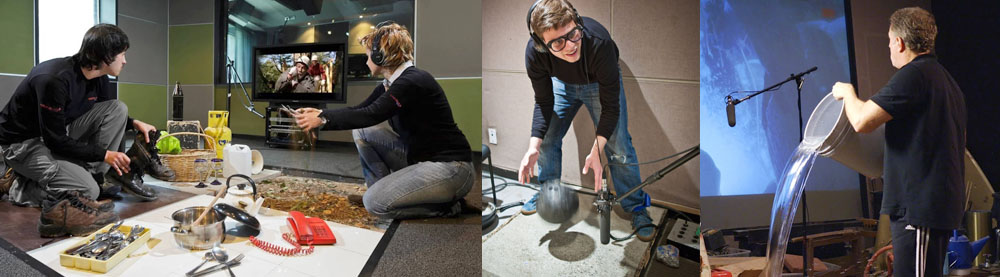
Foley is a key part of the sound design process in films and animations, involving the creation and recording of specific sound effects and environmental sounds for various scenes. These sounds are typically produced artificially in a studio to enhance realism and make the auditory experience more engaging.
In simple terms, Foley refers to sounds that are not captured naturally during filming or animation production. They are recreated and recorded by a Foley artist using various props, surfaces, and equipment. The main goal is to produce sounds that accurately match the visuals and the actions occurring on screen, making the scene feel authentic and immersive.
Types of Foley Sounds
-
Footsteps:
One of the most common Foley sounds is footsteps. These are usually recreated in a studio using different shoes on various surfaces. Foley artists must synchronize each step precisely with the characters’ movements and the corresponding scene. -
Clothing and Body Movement Sounds:
Sounds produced by clothing rustling or the movement of the body (such as spinning or hands colliding) are typically captured during the Foley stage. -
Object Sounds:
This includes sounds generated by interactions with objects, such as a door closing, a glass breaking, or a teacup falling on a table. These are recreated and recorded in the studio to match the visual action. -
Environmental and Natural Sounds:
These are sounds from nature or the surrounding environment added to the scene to enhance realism, such as rain, wind, ocean waves, or animal noises.
The Foley Process
-
Observation and Scene Analysis:
Foley artists first watch the film or animation and identify scenes that require sound. Special attention is given to the movements of characters and objects. -
Selecting the Right Tools:
For each type of sound, Foley artists choose specific props and equipment. For example, different shoes and surfaces (wood, concrete, carpet, etc.) are used to record footsteps. -
Recording Sounds:
In the studio, the Foley artist performs and records the required sounds while watching the corresponding footage. Precision and timing are crucial, as each sound must align perfectly with the action on screen. -
Editing and Mixing:
Once recorded, these sounds are transferred to audio editing systems and combined with dialogue, sound effects, and music to create a seamless and cohesive final audio experience.
Importance of Foley in Sound Design
-
Enhancing Realism:
Foley sounds make films and animations feel more real. They help the audience feel as if they are truly present in the depicted world, whether real or imaginary. -
Creating Suspense and Excitement:
Foley can significantly enhance tension and drama. For instance, the sound of slow footsteps in a horror scene can heighten suspense. -
Reinforcing Character Presence:
Foley sounds give characters additional life and authenticity. Breathing while running or the rustle of clothes in motion adds a realistic, human touch. -
Supporting Environment and Atmosphere:
Environmental sounds, like rain, animal noises, or city ambiance, are recorded through Foley to create an immersive and believable setting.
In conclusion, Foley is a vital component of sound design in film and animation. It plays a crucial role in producing natural, environmental, and specific sounds, helping to deliver a rich, high-quality, and impactful auditory experience for viewers.
Components of Sound Design in Film and Animation
-
Sound Effects (SFX):
Designing sound effects is a core element of sound design. These effects can include environmental sounds, such as wind, rain, traffic, or specific sounds like a door opening, objects colliding, or animal noises. In animation, sound effects can be far more creative and fantastical, reflecting the imaginative or fictional nature of the story world. -
Creating Imaginary Sounds:
In science fiction, fantasy films, or animated features, sound design often involves creating sounds that do not exist in reality. This can include spaceship noises, sounds of imaginary creatures, fictional weapons, and unique audio effects that bring the fictional world to life. -
Music Score:
Music is a vital component of sound design, enhancing the mood and emotion of a film or animation. It can convey excitement, sorrow, fear, joy, and other emotions in various scenes. In animation, music often plays an even more prominent role in creating an engaging and imaginative atmosphere. -
Dialogue Sound Design:
In both films and animations, dialogue is part of sound design. In animated films, dialogue is sometimes recorded before production so animators can synchronize the characters’ mouth movements with the voice. During ADR (Automated Dialogue Replacement), certain lines may be re-recorded in post-production for clarity, quality, or timing adjustments. -
Ambient Sounds:
Ambient audio helps establish the setting and atmosphere of a scene. For example, in a forest scene, bird songs, wind rustling, or footsteps of a character moving through the environment make the scene feel more authentic. In animation, ambient sounds can come from unusual or imaginary sources, adding to the creativity and richness of the story world.
The Sound Design Process in Film and Animation
-
Analyzing the Film or Animation:
The first step in sound design is carefully reviewing the film or animation. The sound designer pays close attention to every detail to determine where and what type of sounds are needed. This includes analyzing the mood of each scene, the characters, and emotional shifts. -
Creating Sounds:
After analysis, the sound designer begins creating the required sounds. These can be sourced from natural recordings (captured from real-world environments or in the studio) or artificially generated using digital and audio tools. -
Editing and Mixing:
Once the sounds are created, they are sent to mixing studios. In this stage, sounds are combined with dialogue, music, and other sound effects. The goal is to adjust volume, clarity, and synchronization with the visuals to create a cohesive audiovisual experience. -
Synchronizing Music and Effects:
Music scores and sound effects are carefully aligned with the visuals and other audio elements. The final mix ensures that the audience can perceive and appreciate all audio details seamlessly.
Importance of Sound Design in Film and Animation
-
Enhancing Storytelling and Emotions:
Sound and music play a critical role in conveying emotions. For example, in a horror film, sound design can heighten fear and tension. In animation, it can bring characters to life and create a deeper emotional connection with the audience. -
Strengthening the Environment and Atmosphere:
Sound design helps establish convincing environments in the viewer’s mind. In animation, this extends to fantastical and imaginative worlds, making them feel immersive. -
Increasing Realism:
In both live-action and animated films, sound contributes to the perception of realism. When environmental sounds are accurate and synchronized with visuals, audiences can fully immerse themselves in the film’s world. -
Providing Creative Opportunities:
Animation offers a unique canvas for creativity in sound design. Designers can employ unconventional or imaginative sounds, delivering a unique and memorable auditory experience to viewers.
Summary:
Sound design is a vital component in shaping the overall audience experience in films and animations. It effectively enhances mood, emotions, and storytelling, enriching the visual world of the production. This process involves the careful and creative use of sound effects, music scores, dialogue, and ambient sounds, all meticulously produced, edited, and mixed to create a fully immersive audiovisual experience.
Sound Mixing in Film and Animation
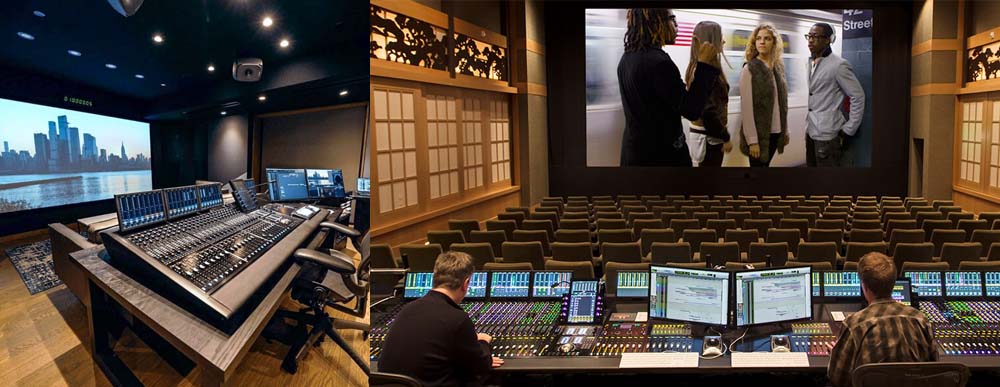
Sound Mixing is a crucial stage in the audio post-production process for films and animations. It involves the final combination and adjustment of all audio elements to create a cohesive and engaging listening experience. This stage takes place during post-production and includes balancing and fine-tuning dialogue, sound effects, and music simultaneously, ensuring they harmonize perfectly with the visuals and emotional tone of the film or animation.
Key Components of Sound Mixing
-
Dialogue:
Actor dialogue is one of the most important elements in sound mixing. During this stage, dialogue must be adjusted for clarity and optimal quality so that the audience can easily understand it. This includes raising or lowering volume levels, removing unwanted noise, and ensuring the dialogue blends seamlessly with other audio elements. -
Sound Effects (SFX):
These are sounds used throughout the film or animation to enhance actions, events, and environments such as footsteps, breaking objects, or animal sounds. In sound mixing, these effects must be balanced not only with dialogue but also with music and other sound effects to create a coherent auditory experience. -
Music Score:
Music must be mixed in a way that complements dialogue and sound effects. Sometimes the music volume needs to be adjusted to ensure dialogue is clear or to create a specific atmosphere. Integrating music with sound effects is also crucial for conveying the intended mood and emotion to the audience. -
Ambient Sounds:
Ambient or background sounds like wind, rain, traffic, or other natural sounds are mixed to make the environment feel more realistic and immersive. These sounds should be leveled so they enhance the scene without clashing with dialogue, sound effects, or music, maintaining the overall auditory balance.
The Sound Mixing Process
Using Advanced Software:
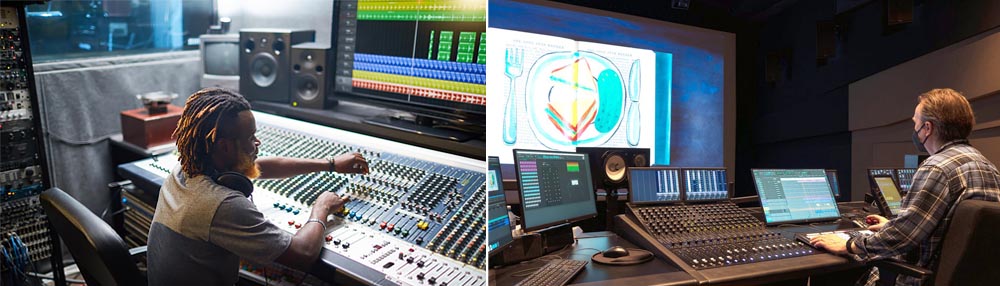
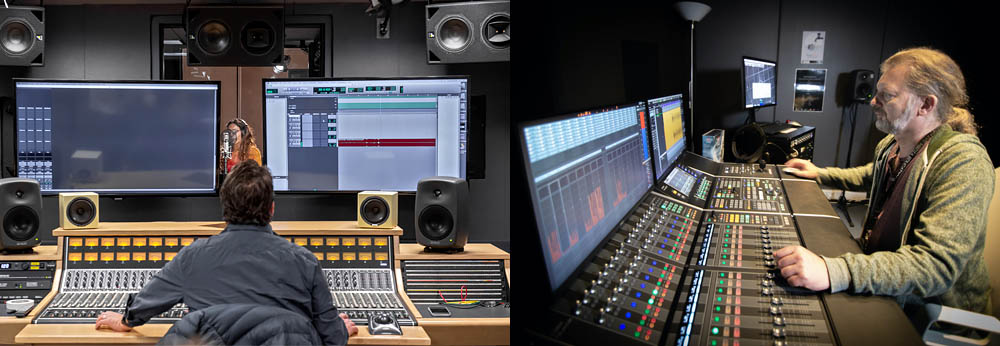
Sound engineers typically use professional software like Pro Tools to adjust and mix audio elements. These tools allow them to manage sounds across multiple channels, apply effects, and even synchronize audio precisely with the visuals.
Adjusting Audio Levels:
In this stage, the sound mixing engineer balances the levels of different audio elements so that no sound overpowers another. This usually involves raising or lowering the volume of dialogue, effects, and music to prevent clashes and ensure a harmonious auditory experience.
Adding Effects:
Additional effects, such as Reverb (echo response) or Delay (time-based audio repetition), may be applied to enhance the spatial feel of the film or animation. These effects add depth and dimension to the soundscape.
Sound Profiling:
Mixing engineers often use EQ (Equalization) to adjust different frequency ranges. This ensures that all sounds are clear, distinct, and appropriate for the specific atmosphere of each scene.
Final Playback and Testing:
Once mixing is complete, the audio is finalized and sent to the production team for review and feedback. Various playback tests are conducted to ensure the sound plays accurately and consistently across different systems, such as cinemas, televisions, and home audio setups.
Importance of Sound Mixing in Film and Animation:
-
Balance and Harmony:
The primary goal of sound mixing is to create balance and coherence among all audio elements. Dialogue should not be masked by music or effects, and sound effects should appropriately support the story and environment. -
Enhancing Emotions and Storytelling:
Sound mixing amplifies the impact of scenes. For example, in thrilling or horror sequences, the mix helps build tension and excitement. Music mixing also reinforces the emotions and moods conveyed throughout the film. -
Creating a Rich Audio Experience:
Effective sound mixing immerses the audience fully in the film or animation. Properly balanced sound helps viewers connect with characters and environments, providing a more engaging and encompassing experience. -
Technical Problem Solving:
Issues from the recording phase, such as background noise or unclear dialogue, are professionally corrected and optimized during the mixing process.
Summary:
Sound mixing is a key stage in film and animation sound design. It ensures that all audio elements—dialogue, sound effects, music, and ambient sounds are combined precisely and harmoniously. This process enhances the emotional impact of each scene and contributes to a rich, immersive auditory experience for the audience.
The Music Stage in Film and Animation Sound Design:
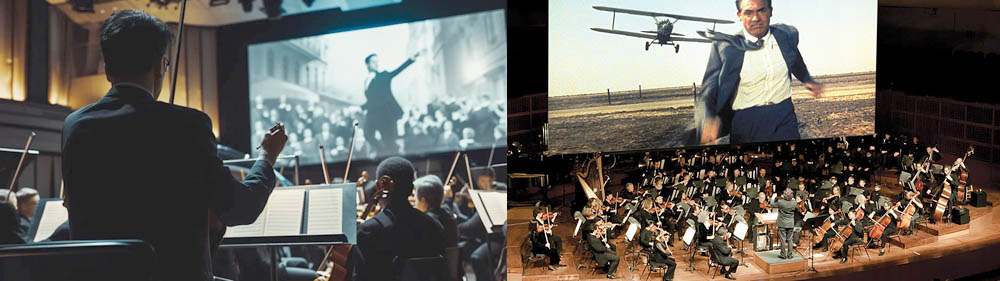
Music plays a crucial role in reinforcing emotions, atmosphere, and narrative in films and animations. It can significantly influence the audience's experience, highlighting or intensifying specific moments. During this stage, music is carefully synchronized with other audio elements, such as dialogue and sound effects, to create a cohesive and impactful audiovisual experience.
Components of the Music Stage in Film and Animation Sound Design:
Film Score:
A film score refers to the original music composed specifically for a film or animation. This music is usually written by a composer and performed by an orchestra or music ensemble. The film score can serve multiple purposes:
Emotional Impact: Music can enhance specific emotions such as fear, excitement, sadness, happiness, and more.
Atmosphere Enhancement: Music helps create a particular mood in a scene. For example, in a horror film, music can heighten tension and fear, while in a comedy, it can create a lighter and more cheerful atmosphere.
Foreshadowing and Suspense: In mystery or thriller films, music can help build suspense and foreshadow upcoming events.
Source Music (Diegetic Music): This type of music exists within the world of the story and is usually heard from tangible sources within the film. It is also called mood music or diegetic music. For instance, if characters are sitting in a restaurant and music plays from a radio or piano, that music is considered source music.
Composition and Arrangement: Composers write music according to the narrative and emotional needs of the film or animation. The composer must understand what type of music suits each scene and use various instruments and techniques to synchronize the music with the scene, emotions, and story development.
Themes and Melodies: In film scoring, composers often create specific melodies for characters or key moments in the story. These motifs help identify characters or reinforce the main themes of the narrative.
Orchestration and Instrumentation: After composing the music, the orchestration phase begins. In this stage, music is arranged for different instruments (piano, orchestra, wind instruments, etc.) to bring the compositions to life.
Synchronization with Other Sounds: One of the main challenges is coordinating music with other sound elements, especially sound effects and dialogue. Music should not overpower dialogue or other sound effects. This stage involves adjusting volume and balance to ensure all audio elements coexist harmoniously.
Final Music Mixing: After recording, the music is mixed with the other sound elements of the film (sound effects and dialogue). The goal is to create a balanced and cohesive audio experience where music effectively complements other sounds while maintaining an engaging auditory environment.
Music Production Stages in Film and Animation Sound Design:
-
Film Analysis: Before composing, the composer studies the film or animation to identify its musical needs. This involves recognizing key emotional moments and scenes that require music. Usually, the composer consults with the director and other production team members during this stage.
-
Composition: After analyzing the film, the composer begins writing the music. Sometimes, music is composed before filming or animation production, and other times after filming is complete.
-
Recording: Music is typically recorded in a studio. This can involve a live orchestra, smaller music ensembles, or electronic instruments. Special attention is given to synchronizing the music with the film.
-
Syncing Music with Film: Music must be precisely synchronized with the visuals. This may involve adjustments in tempo, intensity, or musical patterns to match the timing and rhythm of the film.
-
Mixing and Mastering: All recorded music tracks are mixed and mastered in the studio, combined with other audio elements of the film or animation. The objective is for the music to integrate seamlessly with other sounds, delivering a high-quality and clear final auditory experience.
Importance of Music in Film and Animation Sound Design:
Emotional Conveyance: Music is one of the most powerful tools for conveying emotions to the audience. It can effectively evoke feelings of joy, sadness, fear, excitement, or tension.
Creating Atmosphere and Mood: Music can significantly shape the atmosphere of a film. For example, fast-paced, intense music can enhance the energy in action films, while soft, gentle music can add emotional depth to drama films.
Story Enhancement: Music can add depth to the story and highlight important scenes. For instance, a specific piece of music may represent a character’s identity or the main theme of the story.
Establishing Film or Animation Identity: Certain pieces of music become uniquely associated with a film or animation, contributing to its identity. Examples include the iconic themes from films like Star Wars or Harry Potter.
Summary: The music stage in film and animation sound design is a core component that directly impacts the audience’s experience. By conveying emotions, enhancing mood and story, and synchronizing with other sound elements, music provides a rich emotional and auditory experience for viewers.
Importance of Post-Production Sound:
Improving Sound Quality: During filming, audio may be affected by environmental noise, unwanted sounds, or technical issues. Post-production sound helps correct these problems.
Creating Atmosphere and Mood: Through sound effects and music, post-production sound can evoke various emotions in the audience, such as excitement, fear, sadness, or joy.
Enhancing Realism or Fantasy: In films and animations, sound effects contribute to creating either a realistic or a fantastical world, enriching the audience’s experience.
Conclusion: Post-production sound is one of the most critical stages in film and animation production. It is essential for creating a complete, immersive, and believable cinematic experience.
Stages of Sound Design in Film and Animation
As mentioned, sound design in film and animation refers to the process of adding audio to moving images, whether in feature films or animated productions. This process includes recording and editing sounds such as dialogue, ambient sounds, sound effects, and music to create a rich and immersive experience for the audience. The process generally involves several key stages:
1. Dialogue Recording (Dubbing): In this stage, the voices of characters or voice actors are recorded in a studio. In animation, dialogues are sometimes recorded before the animation process so that animators can synchronize the characters’ mouth movements with the recorded voices.
2. Sound Effects (SFX): Sounds such as footsteps, wind, object collisions, or any other sounds that enhance the realism of a film or animation. These effects can be natural or artificial and are either recorded by sound engineers or created digitally.
3. Music Score: Music serves as a crucial element in conveying emotions in films and animations. Original scores are typically composed by music composers and help enhance the audience's emotional engagement with the story.
4. Sound Mixing: After recording and collecting all audio elements, the final stage involves mixing dialogue, sound effects, and music to ensure proper volume levels, balance, and synchronization with the visual content.
Sound design is essential for creating a realistic and engaging experience for the audience in both films and animations. This process significantly affects the impact and appeal of the final production.
Differences and Similarities between Film Sound Design and Animation Sound Design
Film and animation sound design share many principles and core processes, but they also have differences due to the unique nature of each medium:
1. Film Sound Design:
Sound design in films refers to adding and adjusting audio in a live-action movie, documentary, or any other film production. This process includes recording and editing dialogue, sound effects, music, and final mixing. The goal is to synchronize the sounds with visuals and create a richer, more realistic experience for the audience.
2. Animation Sound Design:
Sound design in animation is similar to film sound design but has specific differences. Animations often feature unrealistic movements and scenes, requiring more precise and creative sound design. Since everything in animation is created from scratch and nothing is captured from the real world, sound design must be meticulously crafted. This includes recording dialogues, creating unique sound effects, and designing sounds for characters and imaginary environments.
Key Differences and Similarities:
Synchronization of Sound with Image:
-
Film: In live-action films, sound is generally synchronized directly with what is seen on screen. Dialogue and sound effects are typically captured from real scenes and need to align naturally with the actors’ movements and the surrounding environment.
-
Animation: In animations, especially 2D or 3D, sound design can be done indirectly. Sometimes, audio is created before the animation so animators can design the characters’ movements based on the recorded voices. This means that sound synchronization may occur prior to the animation production.
2. Dialogue Recording
Film: In live-action films, dialogues are usually recorded during filming. However, sometimes certain lines are re-recorded in post-production (ADR) to improve audio quality.
Animation: In animations, voice actors may record their dialogues before the animation is completed. This allows animators to design characters’ mouth movements and other actions to match the recorded dialogues.
3. Sound Effects Design (Foley)
Film: In live-action films, sound effects are often captured from real environments or recreated in studios using specialized equipment.
Animation: In animations, designing sound effects requires more creativity because many sounds do not exist in reality or cannot be naturally produced. For example, imaginary or fantastical sounds, such as a cartoon character flying or a mythical creature, need to be creatively designed.
4. Music and Soundscape
Film: In live-action films, music and ambient sounds are typically designed according to the real environment and the film’s setting.
Animation: In animations, music and soundscapes are often designed more with emotional and atmospheric considerations, because animations can create a fantastical, unreal world, and the audio must align with that imagined universe.
Although film and animation sound design share many processes, there are significant differences in how sounds are created due to the specific nature of each project. In animation, sounds often require more creative design and are usually applied after the animation is completed. In contrast, in films, some sounds may be recorded during filming and then adjusted during post-production.
Principles and Techniques in Film and Animation Sound Design
Sound design for film and animation generally follows a set of principles and techniques aimed at synchronizing audio with visuals and creating appropriate emotional and narrative effects. These principles include:
1. Syncing Sound with Picture:
One of the fundamental principles in sound design is the precise synchronization of sound with the picture. This means that dialogues, sound effects, and music must align with the movements and events on screen. For both film and animation, this synchronization may include:
-
Matching dialogues with the characters’ mouth movements.
-
Timing sound effects with the movements of objects or creatures.
-
Aligning music with emotional changes and scene dynamics.
2. Emotional Impact:
Sound design should be executed in a way that enhances the emotions and atmosphere of the story. This can be achieved through:
-
Using music and sound effects to convey fear, joy, tension, or calmness.
-
Altering the tone and intensity of sounds to create various emotional effects.
-
Employing ambient sounds to evoke a sense of place or environment (such as rain, footsteps in a forest, or city traffic).
Realism and Believability:
In live-action films and some animations, sound must align with reality and feel natural. This includes:
-
Recording sound effects from the real world (such as footsteps, wind, or doors).
-
Creating sounds appropriate for various environments (urban, forest, or natural settings).
-
Editing and combining sounds so they appear believable and natural.
Use of Sound Effects (SFX):
Sound effects add auditory detail and enhance realism in films and animations. These effects should:
-
Match the movements or events on screen.
-
Sometimes be exaggerated to convey specific emotions like excitement, fear, or humor.
-
Include additional sounds such as door creaks, phone rings, or breathing to convey important details to the audience.
Designing Sound for the Unreal:
In animations or fantasy and sci-fi films, many sounds need to be designed beyond reality. This is especially important for films or animations with imaginary creatures or unreal environments. Examples include:
-
Creature or object sound design: Creating sounds for fictional creatures, magical objects, or supernatural powers.
-
Special environmental effects: Producing sounds for unreal spaces such as other planets, underwater settings, or magical worlds.
Use of Sound Mixing:
Sound mixing is the process of combining all sounds in a project. This includes:
-
Balancing dialogues, sound effects, and music.
-
Adjusting volume levels to ensure no sound is overwhelming or unclear.
-
Stereo and mono balance: Properly placing sounds in stereo or mono for an optimal listening experience.
Conveying Emotions Through Sound:
Sound design in films and animations should transmit emotions through various audio elements, including:
-
Music: Enhancing emotions in different scenes, e.g., using soft music for emotional moments or energetic music for action sequences.
-
Dialogue: The delivery and tone of characters’ voices can convey various emotions to the audience.
-
Ambient sounds: Essential for creating a sense of place and atmosphere, including nature sounds (rain, wind, birds), urban sounds (traffic, footsteps), and specific environmental effects adjusted for time and location.
Final Integration and Sync:
After designing and recording all sounds, the final stage is integration and synchronization. All sounds are seamlessly combined in the final mix to create a comprehensive auditory experience fully aligned with the visuals.
Summary:
Film and animation sound design follows several key principles, including precise synchronization with visuals, emotional impact, maintaining realism or imaginative quality, designing sound effects, and final mixing. These principles collectively create a harmonious and engaging audiovisual experience for the audience.
Software and Tools for Sound Design in Film and Animation
Sound design for film and animation is a crucial and complex process that relies on specialized software and tools to ensure that environmental sounds, dialogues, sound effects, and music are fully integrated and synchronized with the visuals and narrative. This process includes several stages, such as recording, editing, designing sound effects, and final mixing.
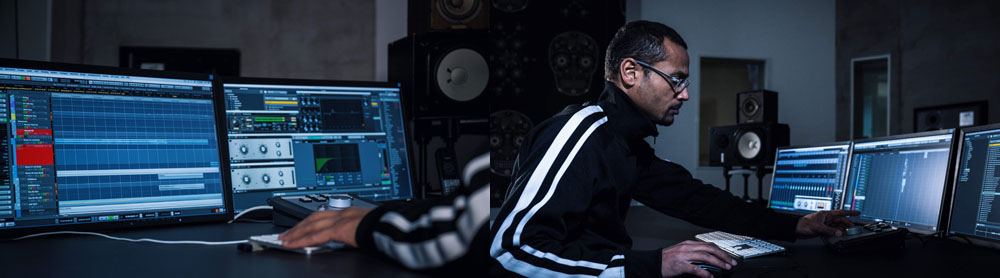
Sound design is a key part of film and animation production and requires professional and specialized tools. This includes tasks like recording audio, editing, creating sound effects, and mixing. Some common software and tools used in these areas include:
1. Audio Editing and Sound Design Software
-
Pro Tools: One of the most widely used programs in the film and television industry for recording, editing, and mixing audio. Pro Tools offers advanced tools for designing special sounds, audio effects, and working with multiple audio layers.
-
Adobe Audition: A powerful software for audio editing and sound design, offering features for noise removal, applying audio effects, and improving overall sound quality.
-
Logic Pro X: Popular for music production and sound design, Logic Pro X provides extensive capabilities for creating sound effects and mixing music.
-
Cubase: A professional program for recording, editing, and mixing audio, extensively used in animation and film production, especially during post-production stages.
-
Reaper: Another audio editing and recording software known for its simple interface and affordable price, making it popular among sound designers.
2. Audio Effects Software
-
iZotope RX: Designed for precise audio repair, noise removal, sound correction, and application of audio effects. It is one of the best tools for improving sound quality in films and animations.
-
Waves Plugins: A collection of audio effect plugins used in sound design for film and animation. These plugins allow a wide range of audio manipulations to create diverse and customized sound effects.
3.Dolby Atmos:
Used for creating and mixing immersive 3D sound, especially in feature films and animated movies. This system enables sound designers to build spatial and surround sound environments that make the audience feel fully immersed in the scene.
Fairlight (within DaVinci Resolve): A professional-grade audio suite integrated into DaVinci Resolve, offering advanced tools for sound mixing, audio effects, and overall sound design in video and animation projects.
Sound Forge: A versatile audio editing and mastering tool widely used in large-scale productions such as films and animated features, providing precise control over sound quality and final output.
4. Sound Design Software for Animation:
Foley: This branch of sound design focuses on creating realistic sound effects such as footsteps, door movements, and other ambient noises. These sounds are typically produced using physical props and tools known as “Foley” to match the on-screen actions.
Cinema 4D (in some cases): Although primarily a 3D animation and motion graphics tool, it can also be used for syncing and integrating sound with animated visuals, especially in complex motion sequences.
5. Audio Recording Tools:
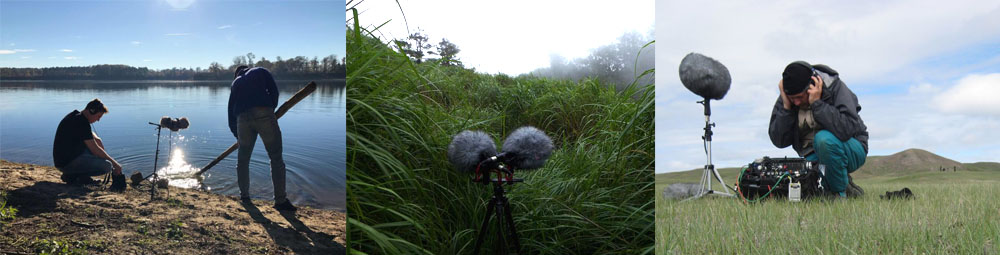
Microphones: Choosing the right microphone is crucial for capturing natural sounds and sound effects. Shotgun microphones and condenser microphones are among the most commonly used types in animation and film production.
Field Recorders: Portable devices designed for recording audio in outdoor environments. They’re often used to capture natural sound effects outside the studio.
6. Plugins and Additional Tools:
Kontakt: A powerful sampler plugin widely used in film and animation projects for crafting unique sounds and musical elements.
Native Instruments Komplete: A comprehensive suite of audio tools and plugins designed for creating complex sounds, textures, and special audio effects.
Soundminer: A specialized application for searching, organizing, and editing sound effect libraries. It helps sound designers quickly locate and manage the audio assets they need for their projects.
7. Software for Audio and Music Integration
-
Final Cut Pro: A video editing software that includes tools for sound design and music integration. This software is especially suitable for short video projects and simple animations.
-
Ableton Live: A software used for creating electronic music and sound effects, commonly applied in sound design for animations and films.
8. Foley Recording and Management Tools
-
Foley Studio: Foley studios, like those shown in the images, are specialized spaces for recording environmental sounds such as footsteps, object impacts, and other natural sounds. This work is typically done in a controlled studio environment using specialized equipment to produce realistic environmental audio.

Sadjad Jahangiri
![Verified]()