

As previously mentioned, the ACES color system is a global standard for color management within the imaging industry, originally introduced by the Academy of Motion Picture Arts and Sciences (AMPAS). ACES was specifically designed for cinematic and television applications, with the primary goal of ensuring color accuracy, cross-device consistency, and preservation of image quality throughout all stages of production and display. Here, we outline the key features and functionalities of the ACES color system:
Standardized Color Management: ACES provides a standardized framework for color management, allowing all devices including cameras, monitors, and color processors to process colors consistently and accurately. This ensures that an image maintains the same color fidelity across every device, from capture on the camera to display on a monitor or projector. High Dynamic Range (HDR): ACES is specifically designed to handle high dynamic range imagery. The system can store and transfer color and luminance information with high precision, preserving greater detail in shadows and highlights, resulting in richer and more lifelike images. Universal Color Space: ACES utilizes an exceptionally wide color space, known as "ACES AP1" or "ACES AP0," which is significantly larger than traditional color spaces such as sRGB or Rec. 709. This expansive gamut allows cinematographers to capture and process a broader range of colors, particularly for forward-looking projects that demand precise color reproduction. Color Accuracy Based on Real Data: ACES accurately encodes colors in digital data, effectively preserving detail and true-to-life color throughout production, editing, and playback. The system employs sophisticated algorithms to adjust and optimize colors, ensuring that color fidelity is maintained even during post-production workflows. Cross-Device Consistency: ACES is specifically engineered to ensure color consistency across different devices, guaranteeing that the visual experience remains uniform regardless of the output medium.

This capability allows content creators to share imagery throughout the entire workflow from capture to editing and distribution without concern for unexpected color shifts or information loss at any stage. Future-Proofing and Development: One of ACES's key advantages is its continuous updates and high adaptability. This means it can evolve alongside technological advancements and new tools, meeting the changing demands of the industry. Consequently, the ACES color system enhances color accuracy and consistency in the imaging industry, enabling creators to manage and produce high-quality, uniform visuals from start to finish.
Transitioning ACES to a Universal Color System Across All Software and Displays:
ACES is currently one of the most advanced and sophisticated color systems for cinema and professional image production. However, whether it will become the standard across all software and displays and be recognized as the "best" color system for all applications depends on several factors:
1. Scope of Use and Specialization of ACES:
-Industry-Specific Suitability: ACES was designed specifically for cinema, television, and professional production. It excels in addressing the high demands for color accuracy, high dynamic range (HDR), and precise cross-device consistency from cameras to displays.
- Application in Other Industries: While ACES is excellent for cinematic applications, other software and displays in different domains, such as web design or general graphics applications, typically use other color systems like sRGB or Adobe RGB. These systems remain more prevalent due to their adaptability to everyday user needs and broader accessibility.
2. Complexity and Resource Requirements: High Data Volume: Due to its broader color gamut and higher precision, ACES requires greater processing power. Utilizing ACES in cinematic production demands specialized hardware and professional software capable of handling intensive computation. Implementation Challenges Across Devices: Another obstacle to global adoption is the need for precise calibration across various devices and displays. While ACES performs excellently for cinema-grade color workflows, implementing it on consumer devices such as smartphones or home televisions poses challenges in terms of cost, complexity, and performance.
3. Advantages Over Other Color Systems: Extensive Color Gamut: ACES can manage colors beyond the capabilities of conventional color spaces like sRGB or Rec. 709. This makes it the preferred choice for applications requiring high color fidelity, such as cinematic productions or high-quality digital graphics. General Applications: Nevertheless, for many consumer-level software applications, the simplicity and efficiency of smaller color spaces like sRGB remain preferable. For instance, numerous consumer programs and displays still rely on sRGB because its gamut suffices for most everyday tasks, including web content, graphic design, and media consumption.
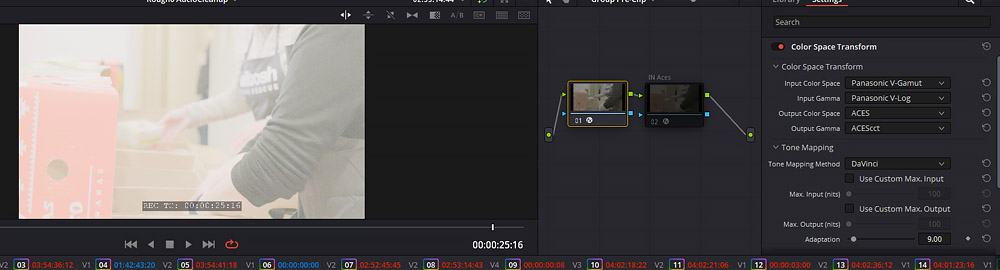
4. Global Adoption and Acceptance: Widespread adoption of ACES across all software and displays will require time. Many existing color standards, such as sRGB and Adobe RGB, remain prevalent and are already implemented across numerous devices. Different sectors of the industry have varying requirements for color management; for example, in printing or web design, color systems like CMYK or RGB continue to be widely used. In contrast, ACES is primarily recognized as a standard for film and television production.
5. Future-Proofing and Adaptability: ACES is an extremely flexible system that evolves with advancements in technology and hardware, providing enhanced capabilities for color management. However, this does not imply that all software and displays must necessarily transition to it especially for applications that do not demand such high color precision.
Conclusion: ACES undoubtedly stands out as one of the most advanced color systems for cinema, television, and professional production, excelling in color accuracy and quality preservation throughout the production workflow. Nonetheless, due to its complexity, high resource requirements, and compatibility considerations with other standards, it is unlikely to become the universal color system for all software and displays. Ultimately, the use of ACES depends on specific professional needs, while other color systems remain more practical for most general applications.
The Necessity of Output in the ACES Workflow:
The ACES color system was specifically designed for cinema, television, and professional production workflows, which does not imply that all practitioners in VFX, animation, or editing are required to adopt it. Nevertheless, ACES has become a popular and efficient standard for many professional and complex projects, particularly in areas such as visual effects and animation. Let us now examine this topic in greater detail.

1. Advantages of Using ACES for VFX Artists and Animators:
Preservation of Color Accuracy Throughout Production: One of the major benefits of ACES is that it allows VFX artists and animators to maintain precise color fidelity throughout all stages of production, from capture to final processing. This is particularly critical for high-quality cinematic or television projects that require consistent color matching across all elements. Wide Color Gamut: ACES employs an exceptionally wide color gamut, capable of handling a greater range of colors and details compared to other color systems such as sRGB or Rec. 709. This is especially valuable for VFX and animation projects that demand high color accuracy and extended dynamic range. Compatibility Across Different Production Elements: In large-scale cinematic or television productions, various elements (live-action footage, VFX, animation, etc.) are often created by different teams using different tools. ACES, as a standardized system, ensures that all these elements are processed consistently and accurately within a unified workflow.
2. Is ACES Mandatory for All Projects?
Optional for Many Projects: Although ACES is a highly advanced color system, its use is not mandatory for every project. Many VFX artists and animators working on projects that do not require extremely high color precision or projects intended for web or standard television broadcast—often rely on simpler color systems such as Rec. 709 or Adobe RGB. Alignment with Common Standards: Numerous television, commercial, and independent film projects may not necessitate ACES. In such cases, utilizing a more conventional color space (e.g., Rec. 709 or sRGB) can be sufficient. Complexity for Small Teams or Projects: For smaller-scale VFX or animation teams that do not require a high level of color accuracy or cross-stage consistency, ACES may be unnecessarily complex. In these scenarios, employing simpler color systems can be more practical and time-efficient.
3. Film Editing and ACES:
The ACES color system plays a critical role in film editing. As a global standard for color management in the filmmaking industry, it enables editors and post-production teams to handle colors with precision, consistency, and uniformity. The following outlines the various roles ACES serves in film editing:
1. Consistency in Color Management: ACES allows editors to manage colors uniformly across all stages of film production. This consistency from initial capture to final output is essential, ensuring that colors are preserved accurately and without degradation throughout the workflow. By employing ACES, editors can guarantee that the visual integrity of the footage is maintained from the moment of capture to the final screening.
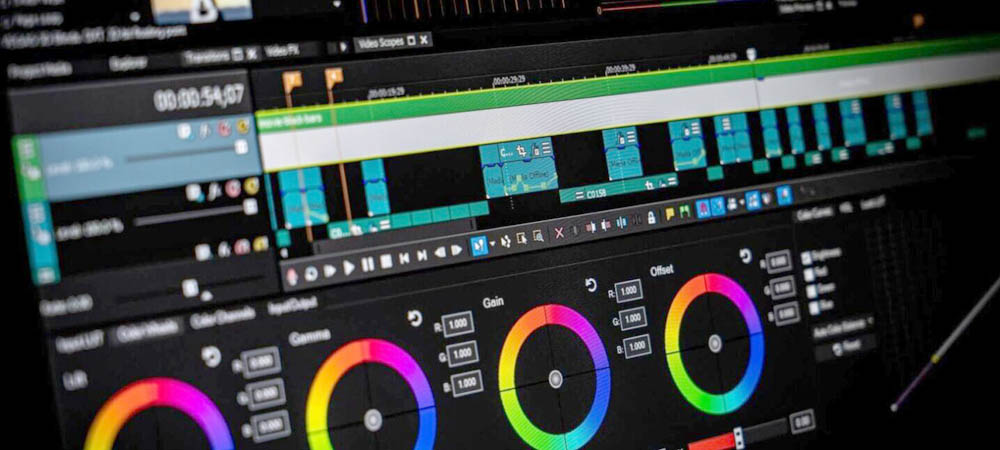
Support for Wide Gamut Colors: ACES utilizes an exceptionally wide color space, known as ACES AP1, capable of representing an extensive range of colors. This feature allows film editors to achieve more realistic and vibrant color reproduction, particularly when footage is captured with high-end cameras and high color accuracy. High Dynamic Range (HDR) Support: The ACES color system fully supports HDR content. During the editing of HDR films, where brightness and contrast ranges are extensive, ACES ensures that colors and luminance are maintained consistently and accurately. Editors can manage colors across a broader HDR range without compromising color fidelity or contrast. Precise Cross-Device Color Transformations: Film productions typically involve multiple devices and software for capture, editing, and playback. ACES employs precise color transformation algorithms, enabling accurate color transfer across devices such as cameras, monitors, and projectors without color loss or deviation in the final output. Support for Specialized Filmmaking Features: During editing, specific color adjustments such as color grading or visual effects integration are often required. With its high precision and wide color gamut, ACES allows editors to perform these adjustments accurately, achieving the desired result without degrading color quality. Preservation of Color Quality Across Production Stages: In post-production, footage from various sources different cameras or formats—may be incorporated into a project. ACES helps editors effectively integrate all these sources while preserving color quality. This is particularly critical for large-scale projects involving multiple teams across different stages of filming and editing.
Compatibility with Post-Production Software: ACES is fully compatible with professional editing and color grading software such as DaVinci Resolve, Nuke, Avid Media Composer, and others. This compatibility enables editors to leverage ACES features seamlessly within the tools commonly used for professional film editing and color correction. Facilitating Team Collaboration: In large film productions, multiple teams often in different locations are involved. By standardizing color management, ACES allows all team members (cinematographers, editors, colorists, VFX teams, etc.) to collaborate effectively without concerns about color inconsistencies or inaccuracies.
In summary, the ACES color system plays a crucial role in film editing by maintaining color accuracy and consistency. Given the high demands of professional filmmaking for precise color management and cross-device/software consistency, ACES streamlines the workflow and enables editors to deliver final film imagery with exceptional quality and color fidelity.
The use of the ACES color system is not mandatory for VFX artists, animators, or editors. However, if your project requires high color accuracy, a wide dynamic range, and precise consistency across different elements (such as animation, VFX, and live-action footage), ACES can be an excellent choice. For smaller-scale projects or those with limited budgets, other color systems like Rec. 709 or Adobe RGB may be more suitable. Overall, ACES is primarily recommended for high-quality, professional projects, particularly in cinema and television production.

Sadjad Jahangiri
![Verified]()