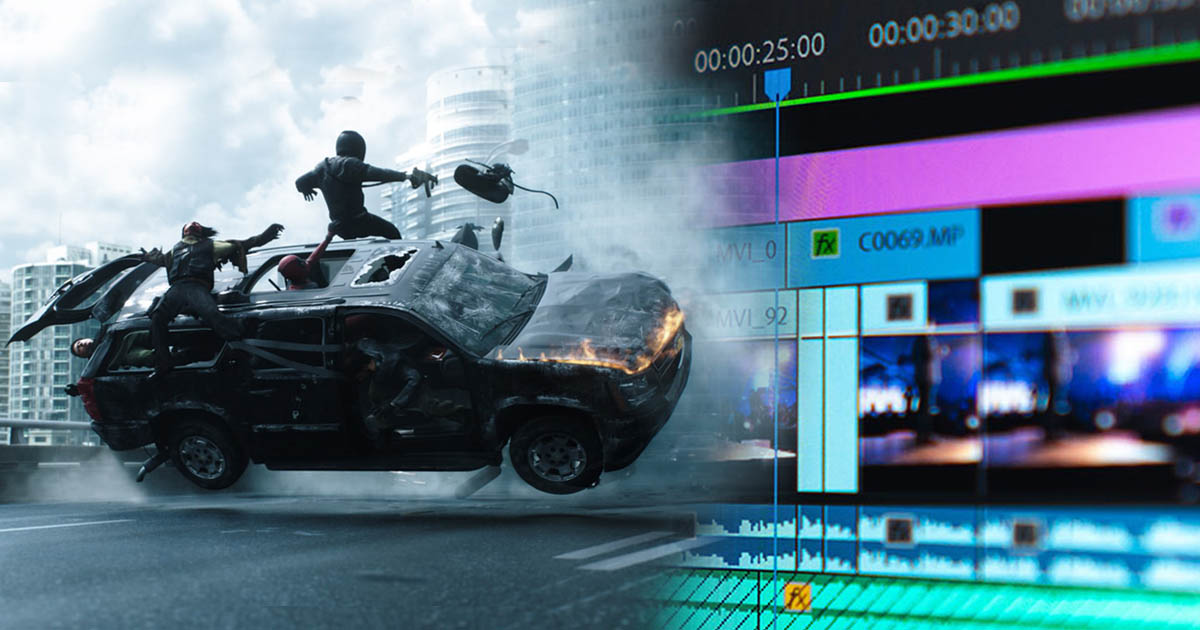
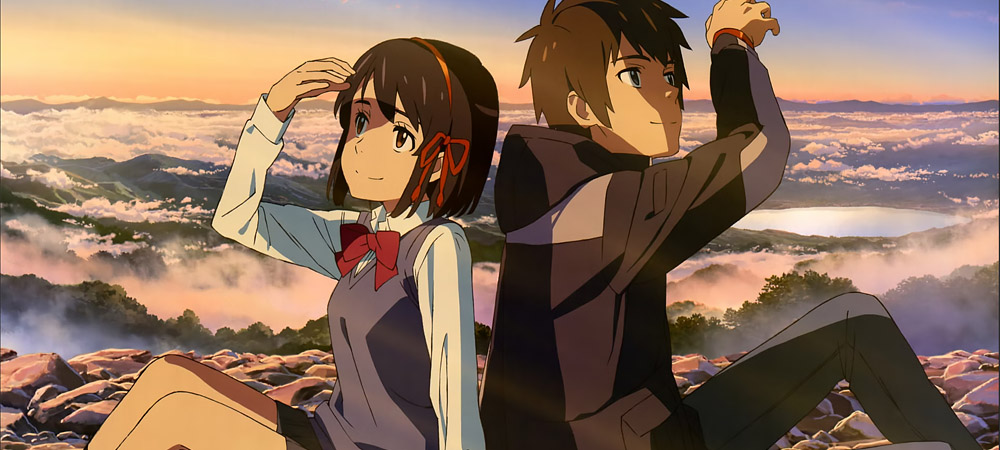
2D animation has always carried its own kind of magic and charm, remaining one of the most beloved and widely used branches of visual art around the world. For many artists and animators, it’s more than just a profession it’s a way to connect with audiences and experience the essence of pure art. Despite the incredible advancements in 3D animation, 2D animation continues to thrive vibrant, powerful, and full of life.
This art form not only comes from the rich history of cinema but also continues to shine today through modern digital techniques, producing brilliant works that captivate audiences at international festivals. 2D animation is not just a style; it’s a visual language, a thriving industry, and a living art form that still captures the hearts of millions worldwide. Every line, every movement, and every frame holds a kind of magic that breathes emotion and spirit into stories. Creating 2D animation is both a technical craft and a journey into imagination and emotion a journey truly worth taking.
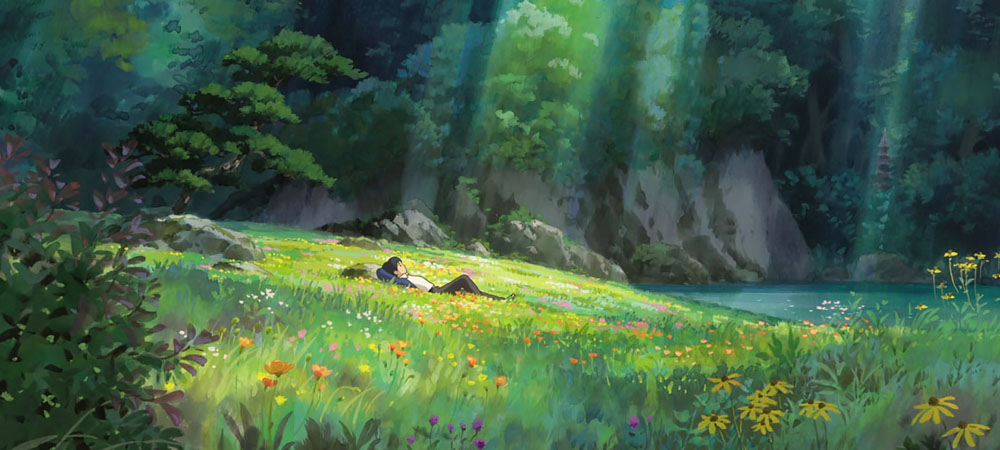
Where Did It All Begin?
2D animation traces its origins back to the late 19th century, when people first discovered that displaying a rapid sequence of images could create the illusion of motion. Early devices like the Praxinoscope and Zoetrope made this possible, simulating movement through still pictures.
The first true animated film appeared in 1908 with Fantasmagorie by Émile Cohl a hand-drawn work on paper that marked the birth of animation as an art form. As cinema evolved, animation found its way onto the big screen. In 1928, Disney revolutionized the industry with Steamboat Willie, introducing the world to Mickey Mouse. Less than a decade later, in 1937, Disney released Snow White and the Seven Dwarfs, the first full-length animated feature film a milestone that redefined the possibilities of storytelling through animation.
As the medium expanded, so did the need for efficiency. Television demanded simpler production methods, leading to the rise of limited animation techniques that saved both time and cost. By the mid-1990s, 2D animation began its digital transformation. Software such as Harmony, TVPaint, OpenToonz, and Flash (later known as Adobe Animate) empowered animators to work entirely in digital form. This shift made 2D animation faster, more accessible, and more affordable than ever before.
Since then, 2D animation has evolved alongside 3D animation, advancing in both technology and artistry. Today, it continues to play a vital role across film, television, video games, and digital media a timeless art form that keeps reinventing itself with every new generation of creators.
The Allure of 2D Animation and the Joy of Creating It
2D animation possesses a kind of magic that feels both timeless and personal. Its charm comes from several key qualities that make it unlike any other art form.
1. Authenticity and a Link to Classical Art:
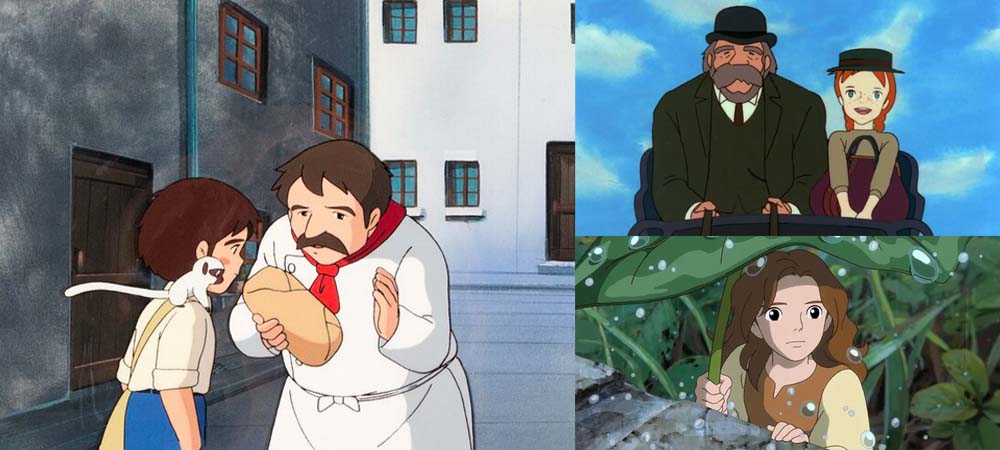
2D animation has deep roots in traditional art. Looking back through history, classics like Looney Tunes or Disney’s Snow White and Pocahontas evoke a sense of nostalgia and emotional depth that few other mediums can match. This form carries the soul of hand-drawn art an authenticity and artistic flair often missing from the polished realism of 3D animation.
2. Creative Freedom in Design and Motion:
Unlike other formats bound by physical or technical limits, 2D animation allows artists to bring any vision to life. Exaggerated movements, fantastical characters, and surreal worlds can flow naturally from imagination to screen. That freedom gives creators the power to shape truly distinctive and expressive worlds.
3. The Handcrafted Feel:
The frame-by-frame nature of 2D animation gives it a human touch a sense that every detail was shaped with care and intention. Viewers can feel the effort and artistry behind each motion. Even when created digitally, 2D animation often retains that “handmade” warmth and authenticity that makes it so emotionally engaging.
Ultimately, the beauty of 2D animation lies in its balance between craft and creativity where every frame is not just a picture, but a piece of the artist’s soul.
“Stronger Expression and Movement”
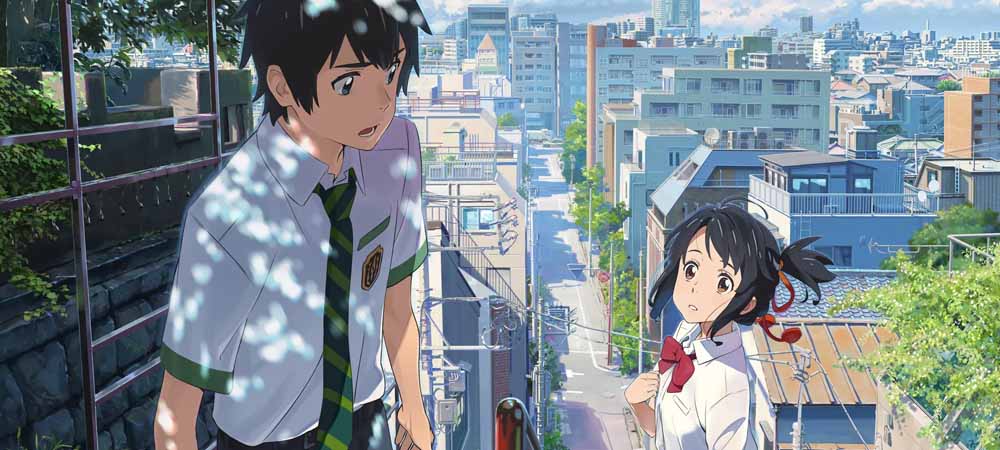
In 2D animation, emotions and facial expressions can be portrayed with remarkable precision and depth. The frame-by-frame nature of the medium allows animators to craft movements that are intentional and expressive, emphasizing the subtle inner feelings of each character. This makes it possible to create exaggerated and theatrical performances much like the classic cartoons that paid close attention to every emotional and visual detail.
“Unique Colors and Design”
Color and design are at the heart of 2D animation. Through distinctive color palettes and creative visual styles whether minimalistic or highly detailed artists can build worlds that are impossible to replicate in 3D. This freedom allows for visually stunning and emotionally rich environments that connect deeply with viewers.
“A Sense of Nostalgia”
Many of us grew up watching 2D animation from Saturday morning cartoons to Disney’s timeless classics. These works evoke a sense of nostalgia and childhood wonder. Even for creators, making 2D animation often feels like reconnecting with that pure joy and imagination from earlier years.
“Emotional Impact”
2D animation excels at communicating emotion. Every motion, gesture, and subtle facial detail can convey a character’s psychological state in a deeply moving way. This ability to express emotion so directly is what makes 2D animation stand apart from other forms of animated storytelling.
“Simplicity in Appearance, Complexity in Craft”
At first glance, 2D animation may look simple just drawings moving in two dimensions. But behind that simplicity lies a highly intricate and time-consuming process. Each frame demands careful attention to achieve smooth, natural motion. The challenge is immense, yet the satisfaction of bringing drawings to life is equally rewarding.
“A Playground of Styles”
2D animation offers endless flexibility for artistic experimentation. From fantastical and cartoonish designs to painterly or stop-motion-inspired techniques, it supports a wide range of styles. This diversity encourages artists to explore, experiment, and continually discover new creative approaches.
In essence, the beauty of 2D animation lies in its fusion of creativity, artistry, freedom, and emotional depth. Step into this colorful world, and you’ll soon understand why 2D animation remains one of the most inspiring and beloved art forms of all time.
“The Magic of Studio Ghibli and Hayao Miyazaki”
Studio Ghibli and Hayao Miyazaki’s films captivate audiences worldwide through their extraordinary blend of storytelling, visual artistry, and profound cultural and human themes. Their works have transcended the boundaries of animation, earning admiration not only from animation fans but also from cinephiles and general audiences alike.
The unique charm of Ghibli and Miyazaki’s animation can be traced to several key elements a harmony of beauty, imagination, and emotional truth that makes their films timeless.
“Human Depth and Storytelling”
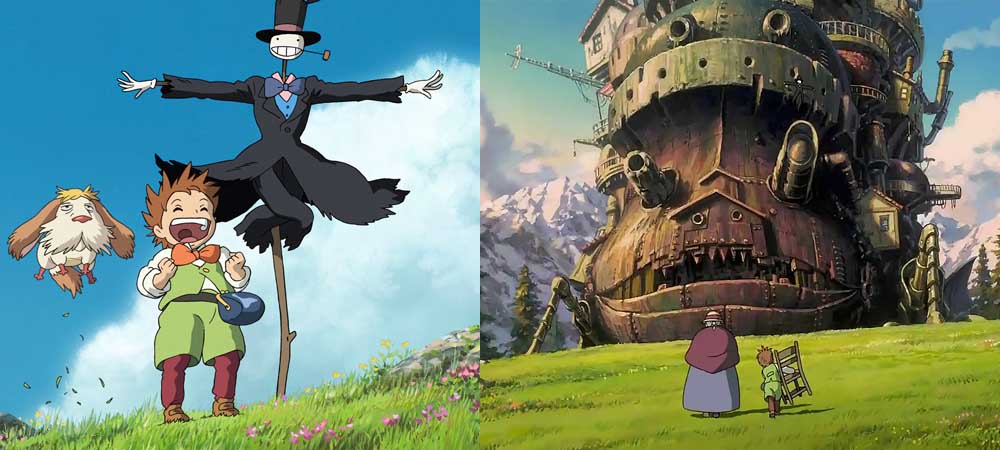
One of the defining qualities of Studio Ghibli and Hayao Miyazaki’s films lies in their deeply human and multi-layered storytelling. These narratives often explore philosophical, emotional, and social themes delving into human relationships, personal growth, and inner struggles. From Spirited Away to My Neighbor Totoro, each film, while appearing simple on the surface, carries profound messages that resonate with audiences of all ages. Beneath their gentle tone lies a quiet wisdom that speaks to the heart.
“Remarkable Character Development”
Miyazaki’s films are known for their exceptionally well-crafted characters. His protagonists are rarely one-dimensional heroes or villains; instead, they are complex, evolving individuals who reflect the nuances of real human experience. Characters like Chihiro in Spirited Away and Sophie in Howl’s Moving Castle undergo emotional and psychological growth that feels authentic and relatable. These journeys of transformation not only captivate children but also move adult audiences with their depth and sincerity.
“Stunning Visuals and Artistic Design”
Perhaps the most visually striking aspect of Ghibli’s animation is its handcrafted artistry. Every frame feels alive with color, texture, and emotion. The delicate use of light, the intricate details of everyday life, and the breathtaking landscapes all contribute to a uniquely immersive experience. Inspired by nature and Japanese culture, Miyazaki’s visual worlds transport viewers into places that feel both fantastical and real serene yet full of wonder.
Studio Ghibli’s hand-drawn animation is more than visual beauty; it’s an invitation to feel, to reflect, and to rediscover the quiet poetry of life itself.
“Engaging with Social and Environmental Themes”
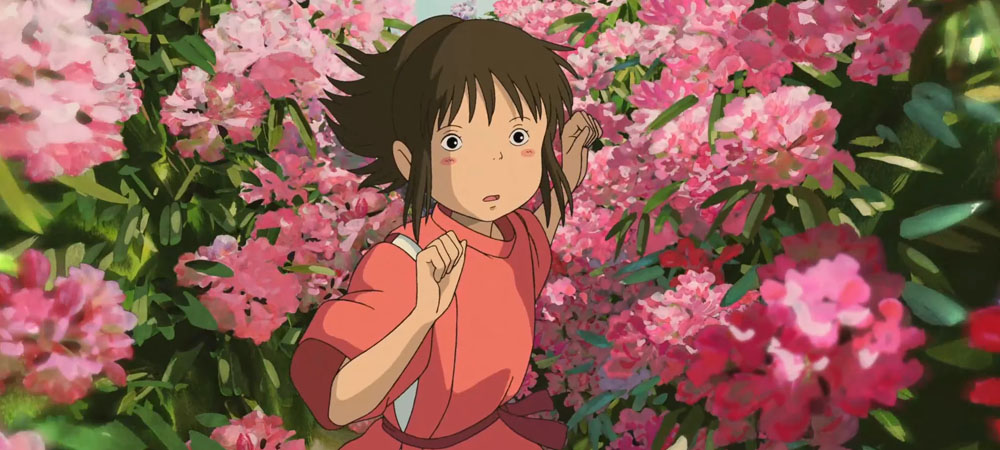
Hayao Miyazaki often weaves social and environmental issues into the heart of his films. His stories explore humanity’s relationship with nature, the consequences of war, and the moral responsibility to preserve the world around us. In Princess Mononoke, he powerfully depicts the tension between human industry and the natural world, while Ponyo highlights the importance of environmental harmony and our connection to the sea. These narratives, though rooted in concern and critique, are always accompanied by messages of hope, balance, and renewal leaving a lasting emotional impact on audiences.
“Exceptional Sound and Music”
Music plays a vital role in shaping the emotional landscape of Studio Ghibli’s films. The compositions of Joe Hisaishi, Miyazaki’s longtime collaborator, are essential to their storytelling magic. His music does more than accompany the visuals it deepens them, giving each scene its emotional pulse. From the gentle piano themes of Spirited Away to the soaring orchestral moments of Howl’s Moving Castle, Hisaishi’s scores bring warmth, nostalgia, and wonder that linger long after the credits roll.
“Mythology and Japanese Cultural Roots”
Miyazaki masterfully infuses his films with elements of Japanese folklore and cultural symbolism. His profound understanding of myth and tradition gives his stories both authenticity and universality. In Spirited Away, for instance, many characters and motifs are drawn directly from Shinto beliefs and Japanese mythology, adding layers of cultural meaning that enrich the narrative. This fusion of myth, imagination, and modern storytelling makes Ghibli’s films feel deeply rooted yet accessible to audiences around the world.
“Introspective and Adventurous Worlds”
Studio Ghibli’s films uniquely balance introspection and adventure. Miyazaki’s protagonists often embark on journeys that are as much about self-discovery as they are about external quests. Whether in fantastical realms or familiar worlds, these adventures mirror the human experience the struggle to grow, to understand, and to find one’s place in the world. This emotional honesty is what allows Ghibli’s stories to resonate so deeply across cultures and generations.
“Imaginative and Enchanting Worlds”
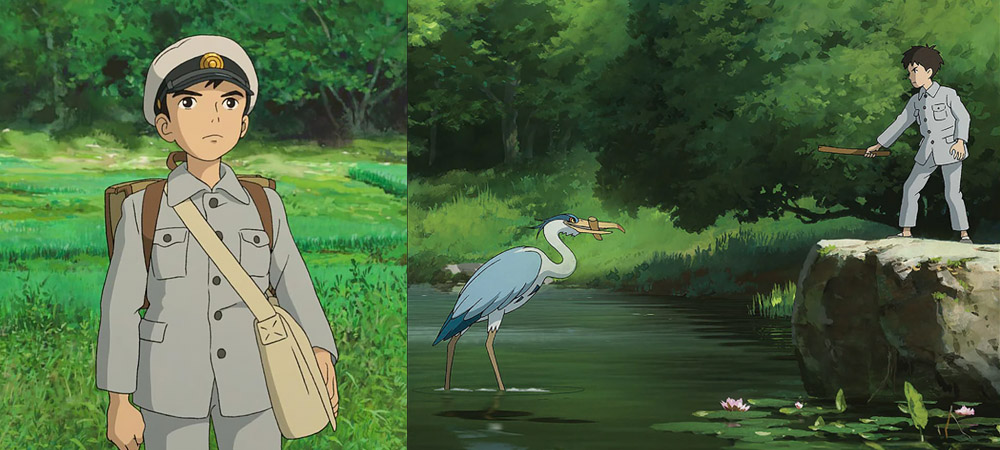
Studio Ghibli and Hayao Miyazaki have always excelled at creating worlds that feel truly alive places filled with wonder, spirit, and imagination. Each of their universes is distinct and unforgettable: from Howl’s Moving Castle, set in a realm where magic and old-world machinery coexist, to Spirited Away, which immerses viewers in a mystical parallel world of spirits and strange beings. These environments are more than just settings; they are living, breathing worlds that invite audiences to lose themselves in the unknown.
Because of this perfect blend of artistry, emotional storytelling, and thoughtful engagement with human and social issues, Studio Ghibli’s films remain eternally captivating. They are not merely “children’s films” they speak deeply to adults as well, offering profound reflections on life, humanity, and nature. Their influence continues to inspire filmmakers and animators around the globe, securing Studio Ghibli’s place as one of the most respected and beloved animation studios in cinematic history.
“The Enduring Power and Appeal of 2D Animation”
1. Unique Artistic Voice and Emotional Storytelling:
2D animation carries a nostalgic warmth and emotional clarity that instantly connects with audiences. Its visual language whether stylized, poetic, or minimalist allows artists to express ideas and emotions in ways that 3D animation often cannot. Each line and color choice becomes part of the storytelling, creating an experience that feels deeply human.
2. Creative Diversity and Artistic Freedom:
Because it isn’t bound by the pursuit of photorealism, 2D animation offers limitless stylistic freedom. Artists can shape worlds that are surreal, symbolic, or purely abstract making this medium a favorite among independent creators and film festivals worldwide.
3. Accessibility and Affordability:
Producing 2D animation generally requires fewer resources than 3D production, making it ideal for small studios and independent artists. This accessibility encourages innovation, allowing more voices and visions to emerge in the global animation scene.
4. A Global Audience and Lasting Legacy:
Millions of people across the world remain devoted to 2D animation from nostalgic viewers of classic cartoons to fans of modern Japanese anime, one of the most successful cultural industries in the world. The medium’s timeless charm, emotional depth, and visual beauty ensure that it continues to thrive, even in an age dominated by 3D and CGI.
In the end, 2D animation endures not just because of its history, but because of its heart its ability to connect creativity, emotion, and storytelling in the purest possible form.
Economic Importance of 2D Animation
Global Revenue Generation:
Japanese 2D animations (anime) generate billions of dollars in global revenue. Studios like Ghibli and Toei earn millions annually not only from box office sales, but also from television broadcasting, DVDs, merchandise, and video games.
Streaming Platforms:
Online platforms such as YouTube, Netflix, Disney+, and others are heavily investing in the production and distribution of 2D animations. These platforms have helped reintroduce 2D animation to new audiences worldwide, ensuring its ongoing relevance and profitability.
Educational, Advertising, and Social Media Content:
2D animation is also widely used in educational videos, commercials, and social media content because it’s faster, more affordable, and highly engaging. In fact, 2D animation isn’t just surviving it’s thriving. Thanks to modern technologies such as digital animation, automation tools, and artificial intelligence, the art form continues to evolve and expand.
"Frame-by-Frame Technique in 2D Animation
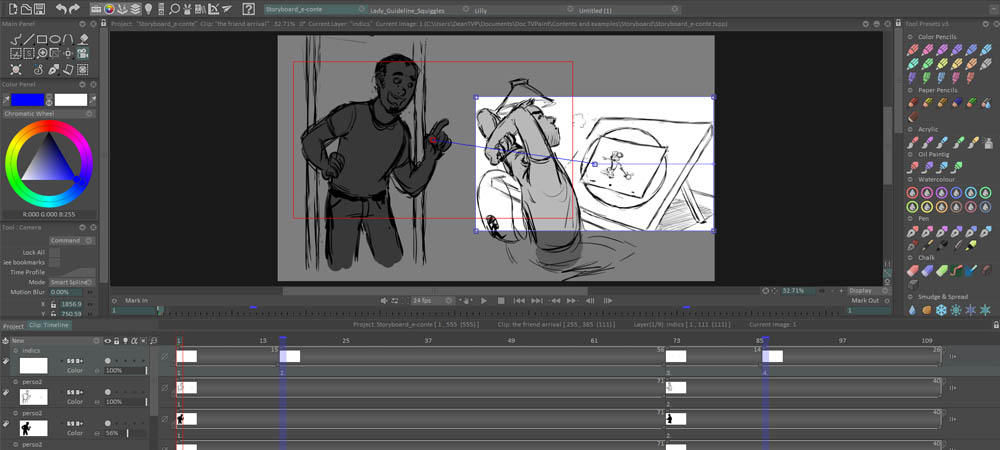
The frame-by-frame technique is one of the oldest and most traditional methods of 2D animation, where each frame is drawn and designed individually. To create the illusion of movement, animators must draw one still image after another, with subtle changes between them, so that when played in sequence, the images flow smoothly and appear alive.
This technique has been a cornerstone of classical and professional animation used extensively by major studios such as Disney and Pixar.
Key Characteristics of Frame-by-Frame Animation:
-
Individually Crafted Frames: Every single frame is designed separately, often by hand (though modern animators also use digital tools).
-
Attention to Detail: Animators must carefully plan and draw each movement to ensure natural and fluid motion across frames.
-
Authentic Artistic Feel: Because it’s created frame by frame, this style carries a handcrafted quality that gives the animation warmth, texture, and personality rarely matched by automated methods.
"Natural and Fluid Movements:
One of the greatest strengths of the frame-by-frame method is its ability to create natural, expressive, and complex movements. Since each frame is drawn individually, the animator can include subtle details such as body motion, facial expressions, and emotional shifts that bring characters to life in a deeply realistic way.
Time-Consuming Process:
Frame-by-frame animation is extremely time-intensive, making it a costly approach for large or long-term projects. Because every movement is designed manually, producing each frame requires significant time, patience, and creative energy.
Emphasis on Handcrafted Art:
This style relies heavily on traditional artistry and precision drawing. Animators must carefully sketch every small detail and transition, ensuring each frame connects seamlessly to the next, resulting in a smooth, continuous motion.
High Level of Precision Required:
Since each frame is designed separately, animators must pay close attention to timing, pacing, and motion consistency to ensure natural transitions between movements. Achieving this level of accuracy can be technically challenging and demands both skill and experience.
"A Look at How Frame-by-Frame Animation Is Created
1. Rough Sketches:
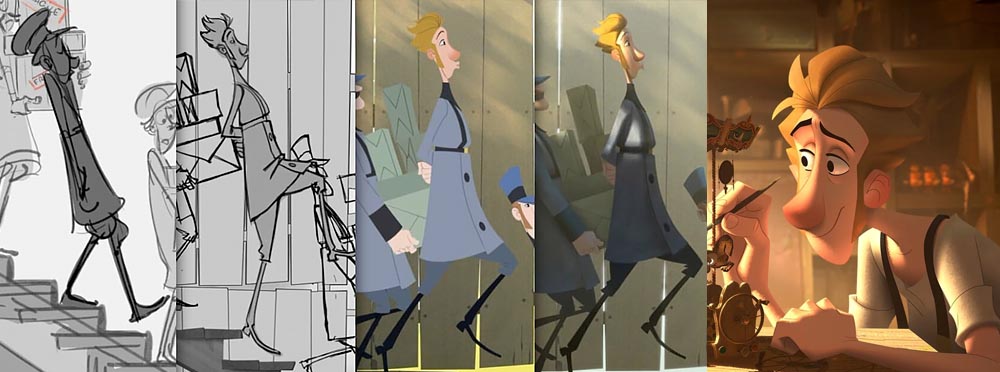
The process begins with rough sketches that outline the basic poses and movements of the characters. These early drawings are loose and not overly detailed they serve as a visual guide for how the motion will flow.
2. Clean-Up Lines:
Once the key movements are approved, animators create clean, refined line art for each frame. This stage defines the final look of the animation and ensures consistency across all drawings.
3. Coloring:
After the line art is completed, the frames are colored either manually (in traditional animation) or digitally (in modern workflows). Coloring adds depth and visual appeal to the animation.
4. Adding Final Details:
Next, the animator enhances each frame with shadows, lighting, and visual effects to create a polished and vibrant look that brings the scene to life.
5. Testing and Review:
Finally, the animation is tested and reviewed to check for smoothness and timing accuracy. The animator may adjust frame durations or redraw certain poses to perfect the motion flow before final rendering.
"Advantages and Disadvantages of Frame-by-Frame Animation
Natural and Fluid Movements:
This technique allows animators to include complex movement details and create smooth, realistic motions that feel lifelike on screen.
High Flexibility:
Animators can easily adjust individual frames, giving them the ability to craft highly specific and precise actions or behaviors.
Authentic Artistic Quality:
Due to the meticulous and handcrafted nature of the work, frame-by-frame animation conveys a strong sense of authenticity and artistry, which many viewers deeply appreciate.
Time-Consuming and Costly:
As noted earlier, this method can take significant time, making it more expensive, especially for large-scale projects with thousands of frames.
High Level of Precision Required:
Because each frame is drawn individually, animators must maintain extreme accuracy and consistency to ensure natural motion.
Challenging for Large Productions:
For long or frame-heavy projects, frame-by-frame animation can become labor-intensive and demanding, requiring careful planning and patience.
Despite these challenges, frame-by-frame animation remains a classic and beloved technique, capable of producing unique and highly artistic works. It allows for complex, natural movements, though it demands significant time, skill, and attention to detail.
"Exploring 2D Puppet Animation
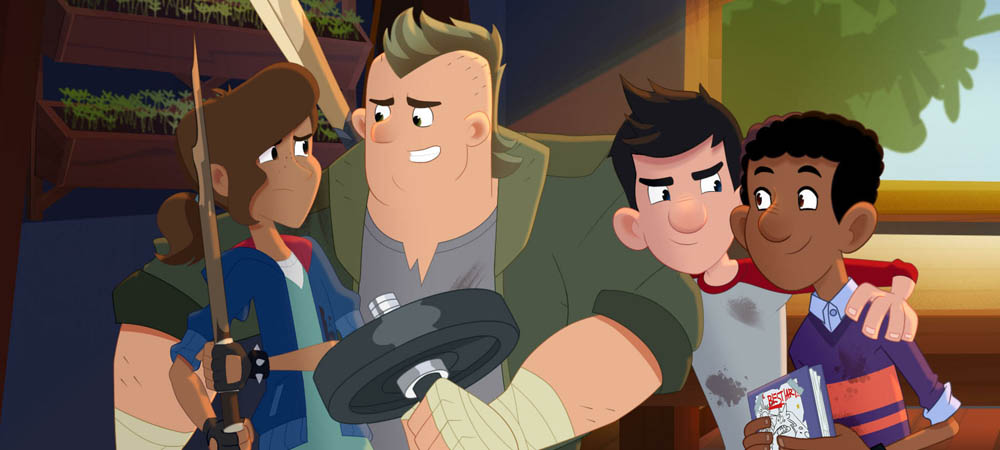
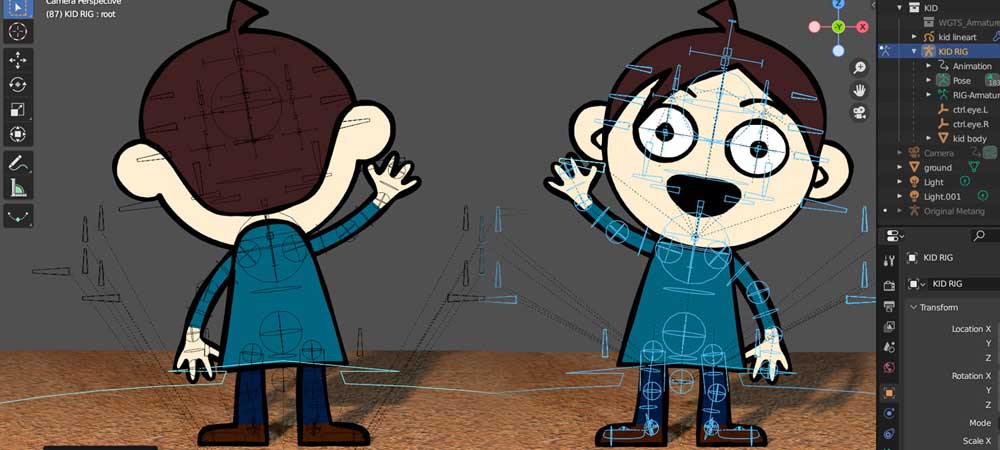
The 2D Puppet Animation technique is a modern approach in 2D animation production. Unlike traditional frame-by-frame animation, where every movement is drawn individually, characters are designed in separate parts such as arms, legs, heads, and torsos. These parts are then digitally connected and manipulated like a puppet, allowing for efficient movement without redrawing each frame.
This method provides animators with greater speed and flexibility, making it ideal for projects that require consistency and faster production timelines while still maintaining control over character actions.
"Workflow of 2D Puppet Animation
1. Character Design as Separate Parts (Cut-Outs):
First, the character is designed in software like Photoshop or Illustrator, with each body part drawn separately: head, torso, arms, legs, hands, etc.
2. Assembling Parts in Animation Software:
These parts are imported into animation programs such as Toon Boom Harmony, Adobe Character Animator, After Effects, or Moho (Anime Studio). Using tools like rigging, the pieces are connected to form a movable character.
3. Rigging (Skeleton Setup):
Joints are defined (e.g., elbows, knees) to create a digital skeleton. This allows the animator to produce natural, articulated movements efficiently.
4. Animation:
Once the rig is set up, the character can be animated directly on the software’s timeline. Moving an arm or rotating the head is done by adjusting the angles of the bones—there is no need to redraw the frame.
5. Additional Techniques:
To enhance realism, tools such as Deformers (to bend body parts) or Inverse Kinematics (IK) can be used for more complex motions.
Advantages:
-
High Speed: No need to redraw each frame.
-
Greater Control: Character movements can be easily adjusted and refined.
-
Cost-Effective: Well-suited for serial productions or smaller budgets.
Disadvantages:
-
Limited Complex Movement: Difficult to achieve highly dynamic or 3D-like actions.
-
Precision Required: Characters must be designed carefully from the start to maintain natural motion throughout the animation.
-
Mechanical Feel Risk: If not executed properly, the animation can look stiff or artificial."
"Alternative and Related Terms for Puppet Animation
-
Cut-out Animation: Originally used for animations with physical cut paper pieces (like classic stop-motion cut-outs), this term now often refers to digital cut-out techniques, which are closely related to rigged animation, especially when separate body parts are animated individually.
-
Bone-based Animation: Refers to the skeleton-based structure used in programs like Spine or Moho, where a digital “bone” system drives the movement of character parts.
-
Character Rigging in 2D: This term usually describes the process of preparing a 2D character for animation, including setting up bones, joints, and pivot points, rather than the final animated product itself.
Comparing 3D Animation vs. 2D Animation
When choosing between 3D and 2D animation, neither style is inherently superior. Each has distinct strengths, depending on the project’s needs, story type, and artistic goals. Rather than debating which is better, it’s more useful to consider their differences and advantages.
Advantages of 2D Animation:
-
Simplicity and Unique Artistic Expression:
2D animation often relies on hand-drawn precision and emphasizes visual detail and emotional expression. This style gives artists greater freedom to create unique artistic aesthetics. Examples from Ghibli and Disney clearly demonstrate the power of 2D design to convey deep emotions. -
Lower Cost and Faster Production:
Compared to 3D animation, 2D generally requires less time and fewer resources. While 3D demands complex modeling, lighting, and rendering, 2D workflows can be simpler, making production more economical. -
Authenticity and Nostalgia:
Many animation fans prefer 2D for its authentic and nostalgic feel. Classic films like The Lion King and Beauty and the Beast continue to resonate with audiences, proving the enduring appeal of traditional 2D animation. -
Diverse Artistic Styles:
2D animation supports a wide range of techniques, from hand-drawn and cut-out animation to unique color palettes and stylized artistic choices. This flexibility allows artists to craft distinctive, imaginative worlds that 3D animation may not easily replicate."
"Advantages of 3D Animation
-
Realism and Detailed Worlds:
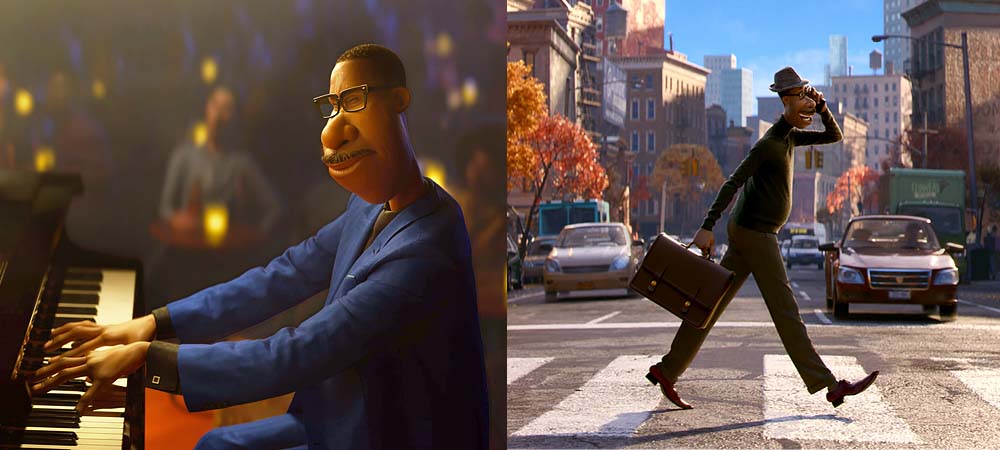
3D animation allows creators to build more realistic and highly detailed environments. Movements, lighting, and physics can be simulated with precision, giving the audience a natural and immersive experience. Films like Toy Story and Avatar are prime examples of this level of realism and intricacy. -
Complex Special Effects:
3D animation can easily incorporate advanced visual effects, physical simulations, and environmental interactions such as water, fire, or gravity. These capabilities are particularly important for fantasy worlds or visually spectacular films. -
Flexibility in Complex Movements:
3D techniques excel at animating intricate motions with high precision. This is especially useful for action-packed sequences or characters with complicated movements, where speed and accuracy are crucial. -
Integration with New Technologies:
With advancements in animation technology—such as Virtual Reality (VR) and Augmented Reality (AR)—3D animation enables immersive and interactive experiences, making it ideal for projects requiring innovative visual engagement.
Which One Is Better?
The answer depends entirely on the type of project and artistic goals:
-
For fantasy or action films with complex visual effects, 3D animation is often the better choice. It works exceptionally well for expansive, intricate worlds, as seen in Frozen and Zootopia.
-
For simpler stories or projects focusing on artistic design and emotional depth, 2D animation can be more expressive and impactful. Works from Studio Ghibli or independent 2D projects, which emphasize character depth and visual artistry, are perfect examples.
In conclusion, both 2D and 3D animation have unique strengths, and neither is absolutely superior. The choice depends on the artistic style, project objectives, story type, and available resources. Ultimately, these two techniques can complement each other or stand alone, each offering a distinct world of imagination, emotion, and visual storytelling."
"Famous and Successful 2D Animations
Here are some notable 2D animated films from recent years that achieved both artistic acclaim and commercial success:
-
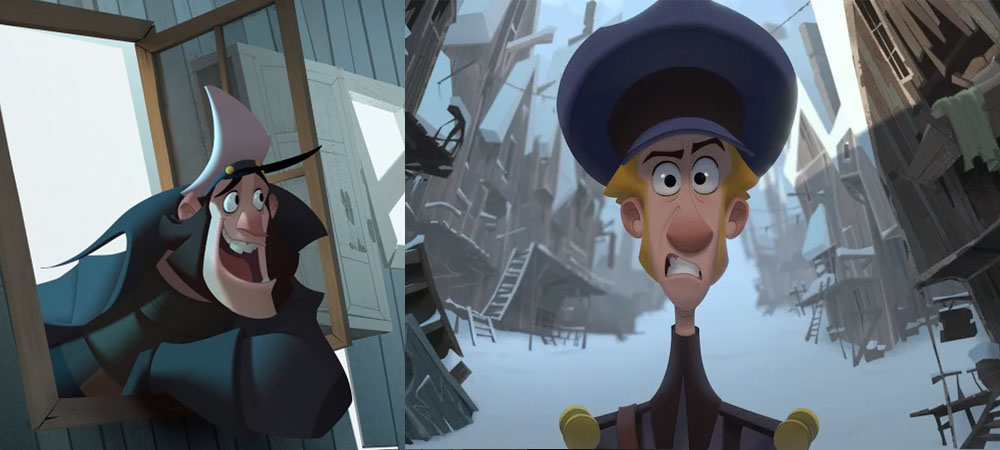
Klaus (2019) – Netflix | Spain | Director: Sergio Pablos
-
Style: Hand-drawn 2D animation with 3D lighting techniques
-
Achievements: Oscar nominee, BAFTA and Annie Awards, critically acclaimed
-
Unique Feature: Painterly, creative style that blends traditional animation with modern technology
-
-
Demon Slayer: Mugen Train (2020) – Japan | Studio: Ufotable
-
Genre: Action, Fantasy
-
Achievements: Highest-grossing film in Japanese cinema history, over $500 million worldwide
-
Unique Feature: Stunning designs and cinematic action sequences using 2D animation combined with subtle 3D effects
-
-
Wolfwalkers (2020) – Apple TV+ | Ireland | Studio: Cartoon Saloon
-
Genre: Fantasy, Family
-
Achievements: Oscar nominee, multiple festival awards
-
Unique Feature: Hand-drawn, traditional style with a visual aesthetic reminiscent of childhood illustrations
-
-
Ernest & Celestine: A Trip to Gibberitia (2022) – France
-
Genre: Family, Children
-
Achievements: Follow-up to the successful original (2012 Oscar nominee)
-
Unique Feature: Watercolor-style animation, soft and poetic visuals
-
-
The Breadwinner (2017) – Canada / Ireland / Luxembourg | Producer: Angelina Jolie
-
Achievements: Oscar nominee, widely praised by critics
-
Economic Success: Profitable despite low budget
-
Theme: Story of a girl in Taliban-controlled Afghanistan; socially and culturally impactful
-
-
Song of the Sea (2014) – Ireland
-
Achievements: Oscar nominee, exceptional artistic design
-
Economic Success: Strong sales in Europe and the U.S., successful DVD and streaming performance
-
Legacy: Continues to be beloved and influential years after release"
-

Sadjad Jahangiri
![Verified]()