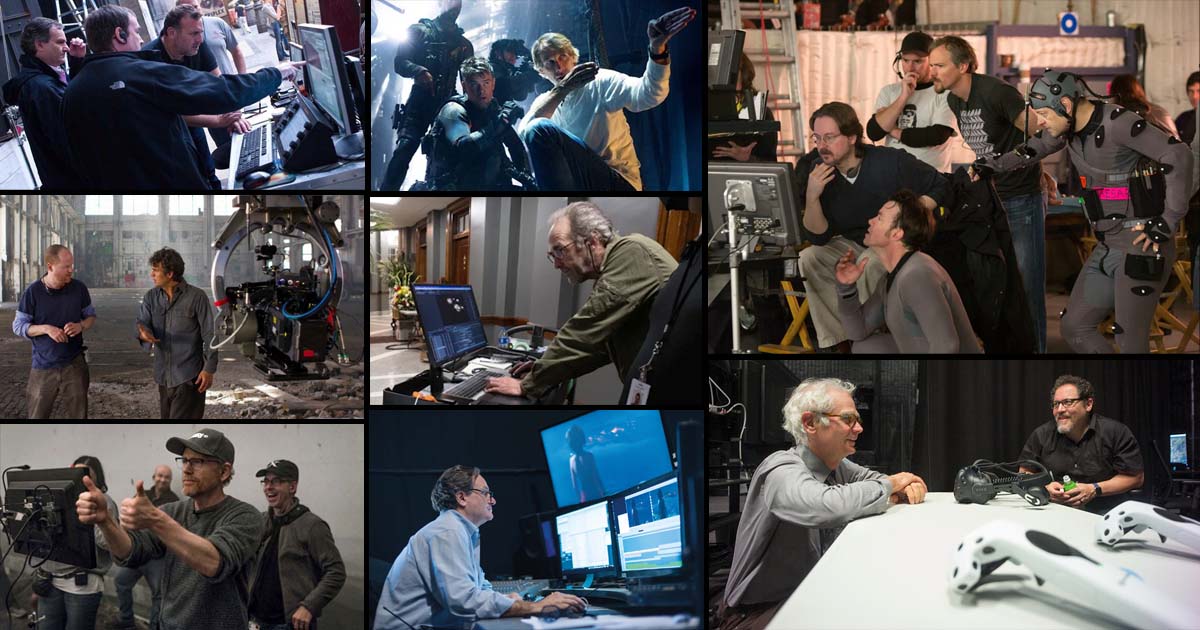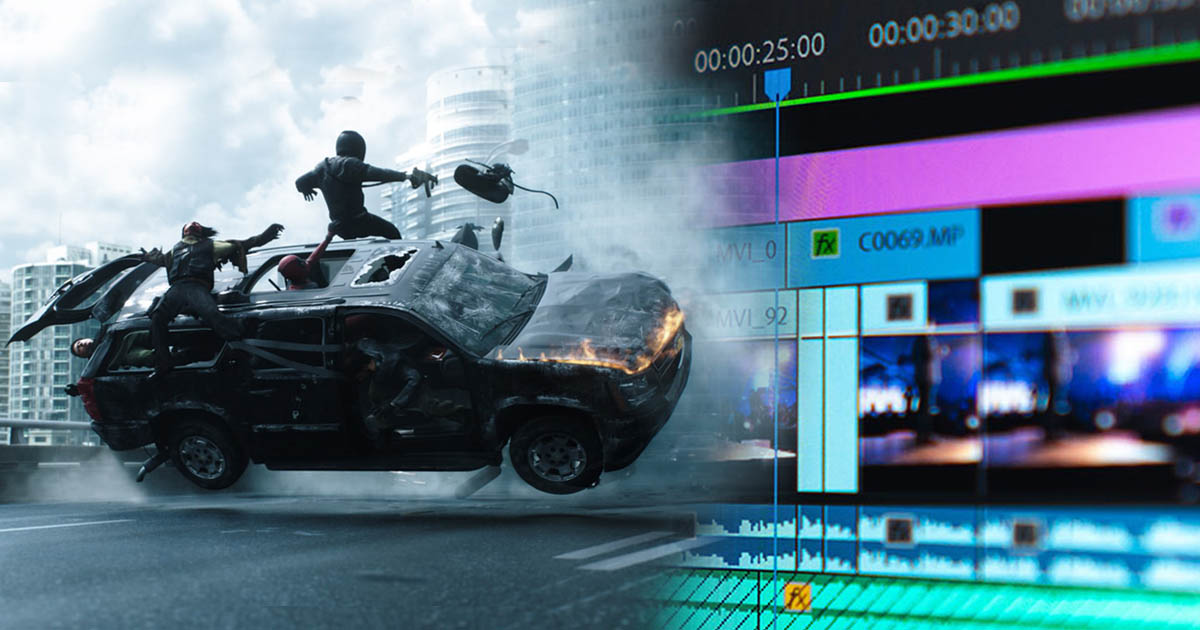
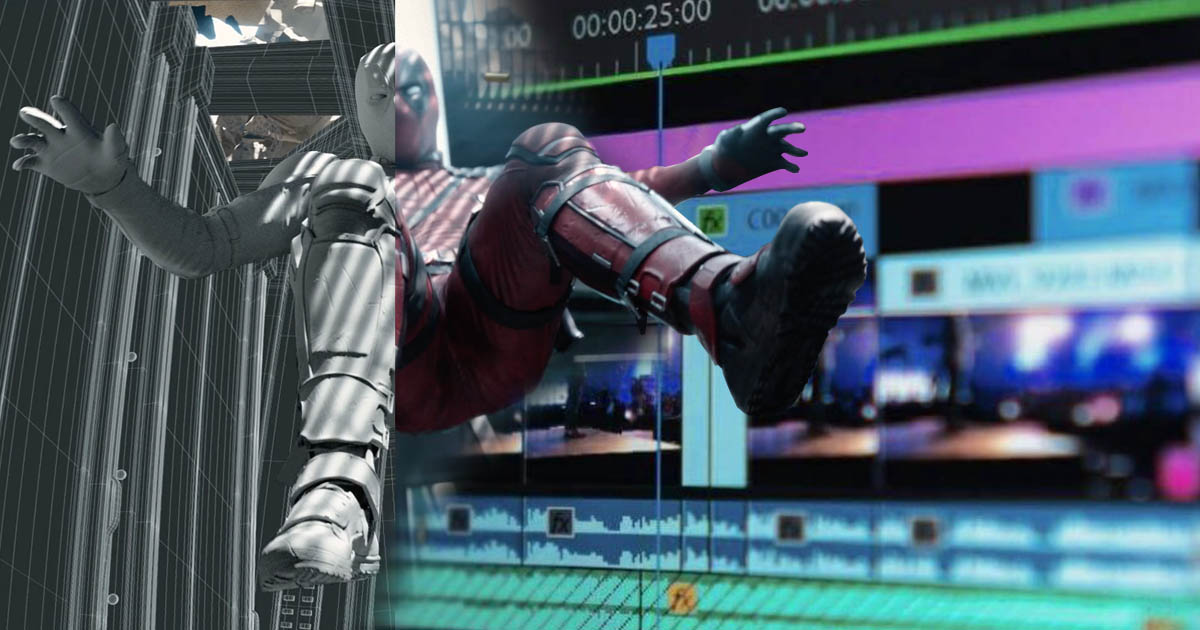
In the first part of this article, we explored how the interaction between editing and visual effects shapes the cinematic narrative, and how early editorial decisions can influence the workflow of the VFX team. In this second part, we move into a more advanced phase of this collaboration where shots have progressed beyond initial design and creation, and the close coordination between the editor and the VFX team becomes even more critical.
Here, we will examine what processes take place at this stage, how editorial changes impact the structure of VFX work, and which tools and standards are used to achieve better synchronization between these two departments in a professional film production pipeline.
The Stages of Collaboration Between Editing and VFX
The coordination between film editing and visual effects (VFX) is often referred to as integrated post-production. In most professional film projects, this collaboration plays a crucial role especially during post-production where editing and VFX must work hand in hand to achieve a seamless and believable final product. Over time, this process has evolved into a structured workflow, particularly in films where VFX are central to storytelling, such as action or science-fiction movies. In these projects, the editor and the VFX team must remain in constant communication, following a unified and synchronized process.
Stages of the Editing–VFX Collaboration Process
1. Rough Cut (Initial Editing):
At the start, the editor assembles a preliminary version of the film using the raw footage. This version may include placeholders or notes indicating where VFX will later be added. The goal is to establish the film’s pacing, structure, and emotional rhythm before any final effects are applied.
2. VFX Previsualization (Pre-Vis):
In this phase, the visual effects team provides early previews often called pre-vis to test how the effects will blend with the live-action shots. These temporary versions help both teams evaluate timing, composition, and the interaction between digital and real-world elements.
3. Final Edit and Compositing:
Once the VFX are completed, the editor and the VFX artists work together to merge all visual and narrative components into the final cut. The editor ensures that each effect is properly timed and that the overall rhythm supports both the storytelling and visual consistency. This final collaboration guarantees that the VFX not only look technically flawless but also feel emotionally and narratively coherent within the film.
Why Coordination Between Editing and VFX Matters
1. Creating a Seamless Experience for the Audience:
The ultimate goal of this collaboration is to immerse viewers completely in the film’s world without letting them notice the boundary between real footage and visual effects. If editing and VFX are misaligned, the effects can appear artificial or distracting, breaking the audience’s suspension of disbelief.
2. Enhancing the Impact of Visual Effects:
Effective coordination makes VFX more powerful and emotionally engaging. For example, in a fast-paced action sequence, tight editing with well-timed cuts can amplify the energy and make the effects feel dynamic and visceral.
3. Maintaining Rhythm and Emotional Consistency:
Editing should reflect the film’s overall tone and pacing. In a high-intensity action film, quick cuts and sharp transitions enhance tension and excitement. Conversely, in dramas or fantasy films, where VFX might support emotional or atmospheric storytelling, slower and more deliberate editing allows viewers to absorb visual details and emotional depth.
4. Managing Detail and Clarity:
Some VFX shots are visually complex. Editors must balance showcasing these details with maintaining narrative flow. By controlling shot length, composition, and transitions, the editor ensures that the audience can appreciate the artistry of the VFX without losing track of the story.
5. Blurring the Line Between Reality and the Digital World:
When editing and VFX are perfectly synchronized, the distinction between the real and the artificial can disappear. The audience might not even realize which parts are digitally created. For instance, if a digitally enhanced scene is edited with natural pacing, lighting continuity, and realistic reactions, viewers will accept it as a genuine part of the film’s world.
Editing and VFX Synergy for a Cinematic Experience
When we say that “editing and visual effects must work synergistically to create an engaging and impactful film,” we mean that both elements editing (which involves cutting, sequencing, and pacing shots) and visual effects (which often include digital effects, animations, and 3D imagery) should be aligned and harmonized to amplify each other’s impact. In other words, synergy occurs when these two components work together to create a stronger, more immersive cinematic experience than either could achieve alone.
Put simply, synergy means that the collaboration between editing and VFX produces greater emotional and visual power than the sum of their individual efforts.
Example:
Imagine an intense action sequence where a massive explosion takes place.
If the editing uses sharp, well-timed cuts for instance, quickly cutting to the characters’ reactions it heightens the emotional intensity of the moment.
If the VFX create a realistic and visually stunning explosion, it makes the scene more spectacular and believable.
Now, when both elements work together
-
The editing ensures the explosion appears at exactly the right moment for maximum impact.
-
The VFX make the explosion feel authentic and thrilling.
Together, they produce a powerful, immersive experience that pulls the audience into the film’s world and amplifies their emotional response.
In conclusion:
A true cinematic experience emerges when editing and visual effects operate in synergy when each supports and enhances the other. Their collaboration doesn’t just make the film visually appealing; it deepens the storytelling, strengthens emotional engagement, and allows the audience to lose themselves completely in the film’s universe.
The Coordinator Between Editing and VFX Teams
The coordination between the editing and VFX teams is typically managed by the Lead Editor or the Post-Production Supervisor, who oversee the entire post-production process and act as the main bridge between all departments involved. Their role is to ensure that both the editorial and visual effects workflows stay synchronized, efficient, and consistent with the film’s creative vision.
Key Roles Responsible for Coordination
1. Lead Editor (Editor Supervisor):
In many productions, the lead editor plays a crucial role in maintaining alignment with the VFX team. They ensure that every visual effect integrates smoothly with the final edit of the film. This involves close collaboration with VFX artists to fine-tune timing, adjust shots as needed, and ensure that each visual effect enhances the narrative flow. The editor’s precision directly influences how believable and emotionally effective the VFX appear in the final cut.
2. Post-Production Supervisor:
The post-production supervisor oversees all stages of post-production including editing, VFX, sound design, and color grading. They coordinate communication among the various teams to ensure a unified workflow. This person manages schedules, tracks deliverables, and ensures that no element of the project falls out of sync. Their role is both organizational and strategic, keeping the production pipeline running smoothly from rough cut to final delivery.
3. VFX Supervisor:
The VFX supervisor leads the visual effects team and ensures that all effects are designed, produced, and implemented according to the creative and technical requirements of the film. They work closely with editors to guarantee that each VFX shot fits naturally within the edited sequence. By staying informed about the editor’s timeline and shot structure, the VFX supervisor can deliver effects that match perfectly in pacing, framing, and tone.
4. Director:
Although the director’s primary responsibility is overseeing the film’s creative vision, they are often directly involved in the coordination between editing and VFX. The director ensures that the effects align with the film’s aesthetic style, emotional rhythm, and storytelling goals. They frequently collaborate with both teams to refine details and make sure the final visual presentation supports the intended cinematic experience.
The Coordination Process
In large-scale productions, these individuals often rely on digital project management tools and pipeline tracking software to maintain seamless communication between departments. Regular coordination meetings are held to review work-in-progress shots, pre-visualizations (pre-vis), and updated edits. These sessions help align VFX timing with editorial pacing, ensuring that effects are delivered on schedule and integrate naturally into the film’s evolving structure.
Conclusion
The person responsible for coordinating the editing and VFX teams is typically a highly experienced post-production professional, such as the Lead Editor or Post-Production Supervisor. Acting as the communication hub, they ensure that both creative and technical aspects of the project are unified. Their leadership and coordination allow all departments to work in harmony resulting in a cohesive, polished, and immersive cinematic experience.
The Integration of Editing and Visual Effects (VFX)
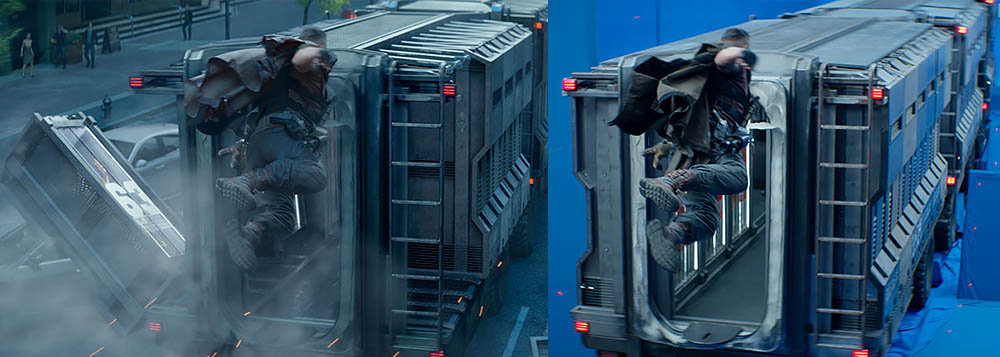
In the filmmaking process, editing and visual effects (VFX) are often closely integrated but this integration isn’t physical; rather, it refers to the coordination and collaboration between the two departments during post-production. In projects where VFX plays a major role, editors and VFX artists work simultaneously to ensure the final image is cohesive, both visually and narratively. This coordination takes place across several stages of production, particularly during post-production.
How Editing and VFX Work Together:
-
Rough Cut:
At the early stage, the editor creates a preliminary version of the film based on the raw footage. This cut includes scenes that will later receive visual effects. Communication between the editor and the VFX team is essential here to identify which shots require effects and what kind of work is needed. -
Pre-Visualization (Pre-Vis):
The VFX team develops pre-visualizations for the effects, providing the editor with early mockups. These previews help the editor adjust timing, pacing, and scene transitions to better accommodate the upcoming visual elements. -
Parallel Workflow:
In complex productions, editing and VFX progress simultaneously. While editors refine the cut, the VFX team works on creating the required shots. This ongoing collaboration ensures both departments stay aligned and the film maintains consistency in tone and pacing. -
Final Integration and Rendering:
Once the visual effects are complete, the rendered shots are sent to the editing team for final placement in the timeline. This is followed by color correction, sound design, and the remaining finishing touches. -
Joint Reviews and Revisions:
Throughout post-production, editors and VFX artists hold frequent review sessions to exchange feedback and make refinements, ensuring every shot integrates seamlessly with the narrative and visual rhythm of the film.
Summary:
Editing and VFX are not directly merged but deeply interconnected. Each influences the other editors must time and position VFX shots precisely, while VFX artists must design effects that fit naturally within the edited sequence. The strength of this collaboration determines how cohesive and immersive the final film will be.
The Role of Editing in Enhancing the Audience Experience
In films that make use of visual effects (VFX), the coordination between editing and these effects can significantly elevate the viewer’s experience. Here are a few key aspects of how this harmony works:
-
Synchronizing Editing Rhythm with Visual Effects:
The rhythm of editing plays a crucial role in how visual effects impact the audience. The pace and variation of cuts influence how these effects are perceived. For instance, fast-paced editing in action scenes or slower, more deliberate pacing in emotional sequences can enhance the intensity and grandeur of visual effects. -
Considering Visual Context and Environments:
Editors must pay close attention to the settings where VFX are applied. Digital or animated environments should be edited in a way that preserves a sense of realism and immersion for the viewer. By aligning scene transitions and shot compositions with the visual design, editors can make VFX feel seamlessly integrated into the film’s world. -
Integrating Visual Effects with Storytelling:
Editing should ensure that visual effects are woven naturally into the narrative flow. This means the timing, order, and presentation of effects must align with the film’s dramatic tension and emotional tone. Effective editing doesn’t just showcase visual spectacle it reinforces character emotions and drives the story forward.
-
Balancing Sound and Music:
Well-crafted sound and music, when synchronized with visual effects, can greatly amplify their emotional impact. Editing plays a key role in ensuring that audio elements and VFX work seamlessly together. For example, in a scene featuring an explosion or a shattering object, the timing of the sound should match the pace and rhythm of the cuts, creating a unified and powerful sensory experience. -
Using Creative Editing Techniques to Enhance VFX:
In some scenes, editing can elevate visual effects by employing unique stylistic choices. Techniques such as high-speed motion, freeze frames, or parallel imagery can make visual effects more striking and help draw the viewer’s attention to key cinematic moments. When used thoughtfully, these methods transform VFX from mere spectacle into part of the storytelling language. -
Maintaining Visual Clarity Throughout the Film:
Sometimes, complex visual effects can obscure details or distract from the story. In these moments, editing must preserve clarity and narrative coherence, ensuring that the audience can always follow the story and connect with the characters even in visually intense or effects-heavy scenes.
Essential Skills an Editor Needs to Synchronize Film and Visual Effects (VFX)
To effectively coordinate the editing process with visual effects (VFX) and ensure a cohesive and compelling final film, an editor must possess a combination of technical, artistic, and narrative skills. These abilities allow the editor to bridge the creative and technical aspects of post-production seamlessly.
-
Understanding the Visual Effects (VFX) Production Process:
An editor needs a solid understanding of how visual effects are created and integrated into a film. This includes awareness of both the technical constraints and the creative possibilities that VFX bring to a project.-
Timing and Duration of Effects: The editor must recognize that certain effects require significant processing time and plan the edit accordingly.
-
Types of Visual Effects: Knowing whether the VFX involve 3D animation, compositing live-action with digital elements, or environmental modifications helps the editor make informed decisions about cuts, pacing, and scene transitions.
-
-
Mastery of Editing Rhythm and Pacing:
The rhythm of editing plays a crucial role in shaping the impact of VFX scenes. A skilled editor understands how variations in pacing influence the viewer’s emotional response and visual perception.-
Cutting Speed: In action sequences, rapid cuts can heighten excitement and make visual effects feel more dynamic and intense.
-
Slowing Down Time: In contrast, slower pacing in dramatic or fantasy scenes allows the audience to fully absorb the beauty and detail of the visual effects.
-
-
Knowledge of Image Integration and Visual Consistency:
A key skill for any editor working with VFX is the ability to merge live-action footage with digital imagery smoothly. This ensures that transitions between real and virtual worlds feel seamless and believable.-
Color and Lighting Consistency: The editor must understand how to balance color tones and lighting between digital and live-action scenes to create a unified visual atmosphere.
-
Stability and Alignment: Maintaining consistent camera movement and perspective alignment across real and VFX shots prevents visual dissonance and strengthens spatial coherence.
-
4. Familiarity with Editing and VFX Software
An editor must be proficient with the tools and software used in both editing and visual effects. This technical familiarity allows them to ensure seamless coordination between the editing and VFX departments throughout production and post-production.
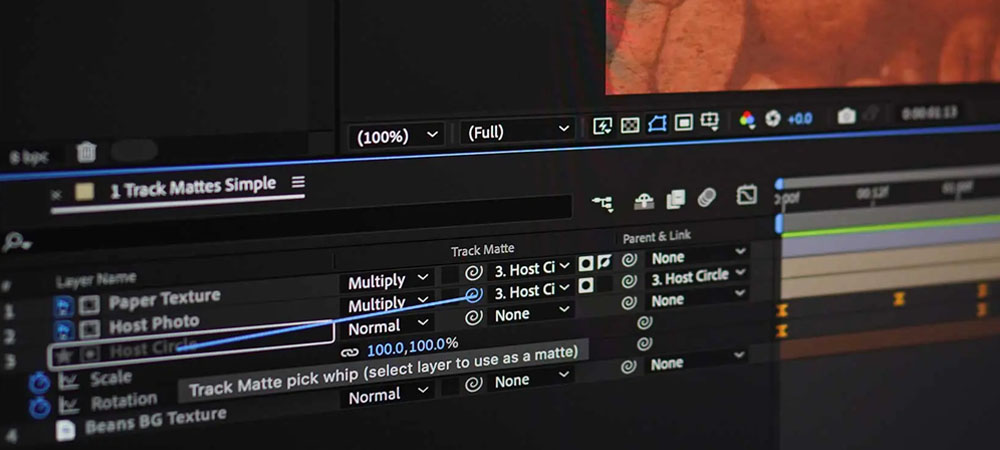
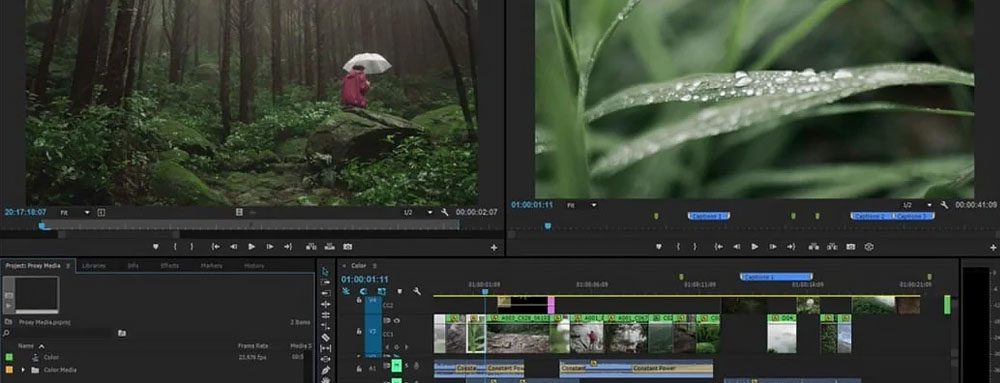
Common software includes Adobe Premiere Pro, Final Cut Pro, and Avid Media Composer for editing, as well as Adobe After Effects, Nuke, and Houdini for creating and integrating visual effects. Mastery of these tools enables the editor to make adjustments to VFX shots and synchronize them effectively with the edited footage.
5. Deep Understanding of Story and Emotion
A great editor not only cuts scenes together but also shapes the emotional rhythm of the film. Understanding the story’s tone and emotional arcs allows the editor to make creative decisions that align visual effects with the film’s narrative intent.
-
Enhancing Themes and Emotions Through VFX: The editor must know when and how to use visual effects to reinforce the emotional core of a scene whether it’s fear, wonder, or excitement.
-
Maintaining Emotional and Logical Flow: Strategic cutting ensures that scenes transition smoothly, keeping the audience emotionally engaged and maintaining narrative coherence throughout the film.
6. Collaboration with the VFX Team
One of the most vital aspects of editing in VFX-heavy productions is close collaboration with the VFX team.
-
Coordination Meetings: Regular communication helps the editor stay updated on the progress and requirements of visual effects shots, ensuring that edits remain compatible with evolving VFX elements.
-
Reviewing VFX Previews: Editors often receive preliminary VFX renders to test how they align with the pacing and rhythm of the film, allowing for adjustments before final integration.
7. Awareness of Industry and Technical Standards
Editors must also understand industry-level technical and cinematic standards. This includes image quality, resolution formats, aspect ratios, and delivery specifications for different platforms such as cinema, television, or streaming services. Beyond the technical, editors should grasp how visual and emotional impact varies across audiences and formats, ensuring that the final film remains effective in every context.
Summary
An editor aiming to achieve strong synchronization with visual effects must combine technical expertise, artistic sensitivity, and narrative insight. Understanding the VFX pipeline, mastering editing rhythm, interpreting story and emotion, and collaborating efficiently with creative teams all contribute to producing a film where visual effects feel not just impressive but integrated, meaningful, and emotionally powerful.
The Importance of Editing in Enhancing the Realism of Visual Effects (VFX)
Using editing to make visual effects (VFX) appear more realistic is not universally essential for every film; its necessity depends on the specific needs of the story, the film’s style, and the type of visual effects involved. However, in productions where VFX play a major narrative or visual role especially when digital elements are directly integrated with live-action footage editing becomes a critical tool for enhancing realism and visual believability.
In contrast, films that rely less on VFX, or those that adopt highly stylized cinematic approaches, may use editing primarily as a supportive tool for realism only when required.
1. Situations Where Editing Is Essential for Realistic VFX
There are particular circumstances in which editing becomes indispensable for improving the authenticity and integration of visual effects:
-
Science Fiction and Fantasy Films:
In genres where visual effects often dominate the visual language such as the creation of imaginary creatures, digital worlds, or large-scale action sequences achieving a seamless blend between VFX and live-action footage is crucial. In these cases, editing helps adjust color grading, lighting continuity, and shot rhythm so that the visual effects appear natural and believable within the film’s world. -
Scenes Combining Heavy VFX and Live Action:
When scenes involve both practical and digital elements (for instance, digital creatures interacting with real actors or explosive effects integrated into physical environments), editing ensures a smooth visual transition. Proper timing and cutting prevent visual dissonance, making the VFX appear as an organic part of the filmed reality rather than a separate layer. -
High-Budget, High-Standard Productions:
In big-budget films with demanding production values, precision editing is essential to maintain visual consistency and meet audience expectations. Editors must ensure that every VFX shot aligns with the pacing, tone, and realism of the surrounding scenes preserving the immersive experience that defines top-tier cinematic storytelling.
The Necessity of Editing for Making VFX More Realistic in Films
The use of editing to make VFX appear more realistic isn’t mandatory in every film; it depends on the specific needs of the story, the film’s style, and the type of visual effects being used. In certain cases especially in films where VFX play a major role in storytelling, or when visual effects are directly integrated with live-action footage editing becomes essential to enhance the realism of those effects. However, in other situations, particularly in films less dependent on VFX or those following unique cinematic styles, editing may only be applied to support realism when necessary.
1. Situations Where Editing Is Essential
Editing becomes crucial in improving the realism of VFX in the following scenarios:
-
Science-fiction and fantasy films: In these genres, where VFX are heavily used to create imaginary creatures, digital worlds, or large-scale action scenes, matching the effects seamlessly with the real world is critical. Editing helps adjust color grading, lighting, and interactions between VFX and live-action elements to ensure the effects appear natural and believable.
-
Scenes combining heavy VFX and real footage: When digital elements interact with real-world objects such as a CGI creature beside a live actor or digital explosions in real environments precise editing is needed to blend them smoothly and eliminate visual discrepancies.
-
High-budget, high-standard productions: In big-budget films with high production values, meticulous editing and synchronization with VFX workflows are mandatory to maintain the overall cinematic quality.
2. Situations Where Editing Is Optional or Minimal
In some cases, editing to enhance VFX realism is optional and only applied when absolutely necessary:
-
Minimalist or stylistic films: Productions with simpler aesthetics or those less reliant on VFX may not require extensive editing to align effects with live footage. Editing might be reserved for specific scenes where visual effects play a limited role.
-
Films with limited VFX use: If most of the film takes place in real-world settings with only a few scenes involving effects like an explosion or subtle digital enhancement editing is usually applied selectively to those moments.
-
Certain genres: In genres such as documentaries or realistic dramas, where VFX are rarely needed, editing for visual effects enhancement is generally unnecessary.
Why Editing Is Crucial in Certain VFX Scenarios
-
Seamless integration of digital and real worlds: Poorly integrated VFX can break the film’s visual consistency, making the audience aware of the separation between real and digital elements. Precise editing helps conceal these gaps and ensures that VFX fit naturally into the film’s environment.
-
Enhancing physical interactions: When VFX interact with live actors or real-world objects such as collisions, shadows, or camera motion editing ensures these interactions appear synchronized and physically believable.
Conclusion
Editing plays a vital role in enhancing the realism of VFX, especially in films with complex visual effects or those within the sci-fi and fantasy genres. However, for films that rely less on visual effects, this technique is often applied selectively, only when necessary to achieve visual harmony. Ultimately, the need for editing in VFX integration depends on the film’s genre, visual style, and level of technical complexity.
Who Is Responsible for Enhancing VFX Through Editing the Editor or the VFX Team?
In practice, both the film editor and the VFX team (including compositors, digital effects specialists, modelers, and technical artists) play complementary roles in the process. While the VFX team is primarily responsible for creating, simulating, and compositing the effects such as digital objects, environments, and lighting the editor significantly contributes to improving the believability and cinematic impact of those effects.
1. The Different Roles of the Editor and the VFX Team
The VFX team focuses on the technical and creative creation of digital visuals, ensuring proper lighting, compositing, and realism within each shot. The editor, however, manages how these shots are arranged, timed, and presented in the final sequence. They refine the pacing, rhythm, and visual coherence of scenes, making sure the VFX moments feel natural within the film’s narrative flow.
Editors can also enhance the cinematic feel of VFX through techniques like motion blur, color correction, contrast adjustments, and synchronization with sound and camera movement.
2. Why Editors Contribute to VFX Realism
-
Timing and rhythm: The editor determines the pacing of scenes, ensuring VFX moments occur at visually and emotionally appropriate beats. Poor timing can make even technically perfect effects feel disconnected from the story.
-
Camera movement synchronization: When a moving camera interacts with digital elements, the editor ensures the footage and VFX align perfectly, maintaining a sense of realism.
-
Enhancing cinematic impact: Editors can apply motion effects, lighting balance, and subtle transitions that make VFX feel integrated into the film’s visual language.
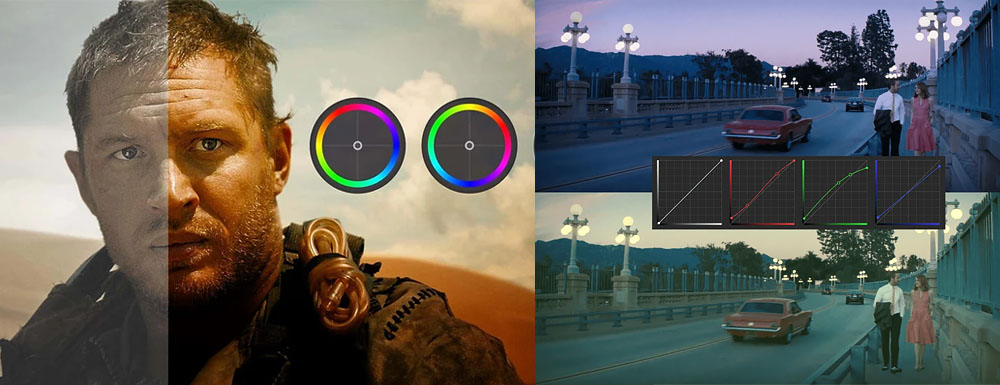
Color and Lighting Consistency
While the VFX team is responsible for creating digital effects, the color tones and lighting in those effects may not always match the real-world footage. The editor plays a crucial role in final color correction and precise lighting adjustments to align the effects with the on-set conditions. For example, digital lights and shadows must be consistent with the actual light sources within the live-action scene, ensuring that the VFX elements blend naturally into the physical environment.
Audio and Cinematic Impact
The editor is responsible for syncing audio and visuals. When integrating VFX, sound design often needs to match the timing and impact of visual effects. Through careful synchronization, the editor can make the effects not only visually convincing but also emotionally immersive through sound reinforcing their realism and presence in the film’s world.
Emotional Understanding of the Film
Editors approach the film from an emotional and narrative perspective. By understanding the overall tone and rhythm of the story, they can refine the placement and feel of VFX to emotionally align with the film. For example, in a dramatic scene, an explosion or digital effect might be presented with slower pacing, softer transitions, or warm tones to match the emotional atmosphere. Conversely, in high-energy action scenes, editing can emphasize fast cuts, dynamic rhythm, and vivid effects to enhance intensity.
3. What VFX Artists and Compositors Cannot Do Alone
-
Final rhythm coordination: Although the VFX team excels in creating and compositing effects, it’s the editor who ensures those effects fit seamlessly within the film’s pacing and visual rhythm.
-
Final color and lighting adjustment: While compositors may balance colors and lighting within VFX shots, the ultimate color grading and integration across the entire film are typically handled during editing, where all visual elements come together cohesively.
-
Adding cinematic effects: Editors often apply finishing touches such as motion blur, lens flare, film grain, and other cinematic filters making the visual effects look more organic and filmic rather than purely digital.
4. Collaboration Between the Editor and the VFX Team
This process is inherently collaborative. The VFX team works on the technical and creative aspects of effects during pre-editing stages, focusing on detail and realism. Once their work is integrated into the edit, the editor refines the visual flow, mood, and emotional timing ensuring harmony between VFX, cinematography, and storytelling.
Conclusion
Both the editor and the VFX team possess distinct but complementary expertise. The VFX team handles the creation and compositing of digital effects, while the editor, as the final visual storyteller, ensures those effects are stylistically and emotionally aligned with the film’s cinematic tone. Even though compositors and VFX artists perform much of the technical groundwork, many aspects of enhancing and harmonizing VFX within the film ultimately rely on the editor’s craftsmanship resulting in more realistic, unified, and emotionally resonant visual effects.

Editing as a Dynamic and Interactive Process
Although film editing often takes place after visual effects (VFX) are completed, in most professional film productions the editing and VFX processes evolve simultaneously as a dynamic and interactive workflow. Both departments continuously influence each other, and close collaboration between the editor and the VFX team throughout production is essential to achieving the best possible results.
How Editors and VFX Teams Coordinate
1. Early (Rough) Editing:
Before the final VFX are ready, editors usually create early cuts often referred to as rough edits or assembly edits. In this stage, they work with temporary or placeholder visuals such as simple composites or rough pre-visualizations. These early edits help define pacing, structure, and timing for shots that will later include complex effects.
2. Editing and Refining VFX in Post-Production:
Once the main VFX shots are developed, editors incorporate them into the final timeline. Continuous communication between the editor and the VFX team ensures proper alignment of timing, camera movement, and narrative flow. If an editor identifies issues with timing or visual consistency, they provide feedback to the VFX team who then adjust color, lighting, or motion to improve the overall coherence.
3. Using Temporary or “Temp” VFX:
In many productions, temporary VFX (also called temp comps) are used before the final renders are complete. These serve as stand-ins, allowing the editor to visualize how the final shots will fit into the sequence. Editors can cut the film using these temp shots and give technical notes to the VFX team. Later, once the final effects are ready, they simply replace the temporary versions.
4. Synchronizing Cutting Speed and Timing:
Precise timing and pacing are critical for scenes with heavy VFX. Editors may need to adjust the rhythm of cuts to enhance impact for example, speeding up edits during explosions or slowing down for moments of visual transformation. The VFX team must then adapt their work to match the editorial timing, ensuring that every visual cue aligns with the final edit.
5. Continuous Review and Feedback:
In post-production, constant feedback loops between the editor and the VFX team are vital. Editors may notice that some effects don’t integrate naturally or lack emotional weight, prompting revisions. Conversely, the VFX team might suggest changes that improve visual continuity, which the editor then incorporates into the sequence.
The Importance of Coordination Between Editing and VFX
Visual and Narrative Unity:
Tight coordination ensures that visual effects naturally integrate into the storytelling. Seamless editing supports the illusion of realism, allowing VFX to feel like an organic part of the film rather than a separate layer.
Saving Time and Costs:
Continuous collaboration between the editor and VFX team from early stages prevents unnecessary rework later on. When both departments communicate effectively, adjustments can be made early, saving valuable production time and budget.
Conclusion
While VFX are often completed after editing, in modern filmmaking the two processes usually progress side by side in a fluid and collaborative workflow. An editor with a strong understanding of the VFX pipeline and the flexibility to adapt to its changes plays a crucial role in ensuring the final film is visually cohesive, narratively engaging, and technically seamless.
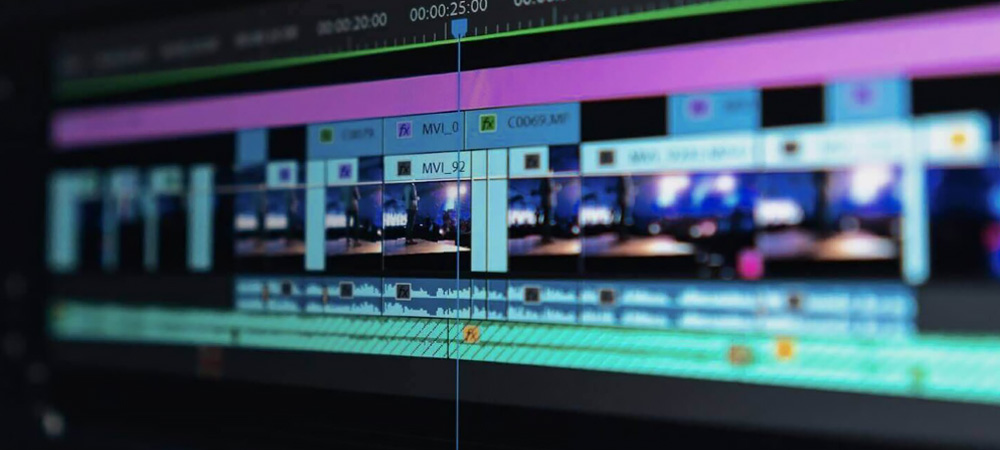
How Editing and VFX Progress Together Dynamically
When the editing and VFX processes move forward simultaneously and dynamically, it means that the editing team and the VFX team collaborate not only in the final stages but continuously from the very beginning of production.
1. Early Footage and Rough Cuts
After filming, the editor usually starts working on the rough or initial cut of the film. This early version might be composed entirely of raw footage without any VFX or with temporary effects. However, in complex projects, the VFX team begins working alongside the editor, creating what are known as “temp VFX.” These are simplified, temporary versions of effects quick renders, basic composites, or unfinished visuals used to help the editor build the structure and pacing of each scene.
2. Editing with Temporary VFX
The editor uses these temporary effects to assemble the film and determine the overall rhythm, shot timing, and visual flow. During this phase, the editor evaluates how well each visual effect fits within the narrative. If something feels off perhaps a shot needs to be extended or the impact of an explosion better synchronized the editor provides feedback to the VFX team. This feedback loop helps both teams refine their work in parallel.
3. Refining and Finalizing VFX
Once the rough cut is complete and the temporary VFX have been placed, the VFX team moves on to refining and rendering the final versions. This stage often involves adjustments based on the editor’s notes—such as modifying timing, lighting, or digital color grading to ensure seamless integration of effects within the scene. The VFX team then delivers the finalized renders, which are replaced in the timeline to create the polished version of the film.
4. Continuous Collaboration and Feedback
Throughout production, constant communication and feedback between the editing and VFX departments are essential. Daily or weekly coordination meetings help ensure that all visual effects align with the film’s rhythm and storytelling. This collaborative workflow prevents inconsistencies and strengthens the final impact of both the visuals and the narrative.
5. Leveraging Modern Collaboration Tools
In modern productions, advanced digital tools make real-time collaboration possible. Editors and VFX artists can now work simultaneously in shared virtual environments, reviewing and applying changes instantly. Software like Avid Media Composer, Adobe Premiere Pro, DaVinci Resolve, and Nuke support this interconnected workflow, allowing seamless exchange of assets and updates.
Conclusion
In large-scale film projects, editing and VFX development typically evolve side by side. Editors work from the very beginning with temporary visual effects, while VFX artists continuously refine their work based on editorial needs. This dynamic and ongoing collaboration ensures that by the end of the process, the film presents a unified visual and emotional experience where every cut, effect, and sound works together harmoniously to enhance the storytelling.
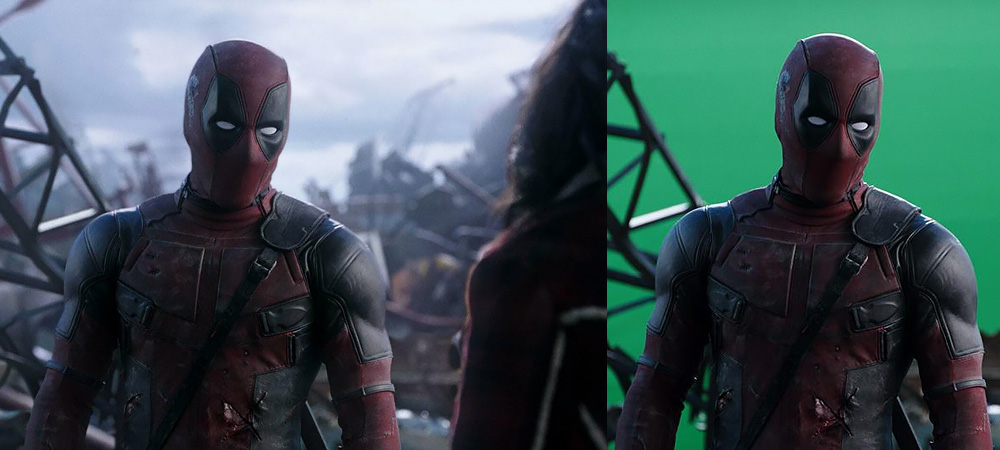
Preparations and Key Principles for Achieving the Best Results
To ensure that the final edit and visual effects (VFX) come together in a seamless, cohesive way both visually and narratively several important preparations, techniques, and principles must be applied in both fields. These principles include the following:
1. Pre-Production Coordination
During pre-production, careful planning and early design for VFX integration are essential. Many critical decisions about visual effects should be made at this stage so that editors and the VFX team can work toward the same vision from the very beginning.
-
Designing and Planning the Effects: The director, editor, and VFX supervisors should review concept art and previsualization (previs) materials to decide how the effects will be integrated into the story.
-
VFX Testing: Creating early VFX test shots helps predict how these effects will influence pacing, rhythm, and storytelling in the edit.
2. Concurrent Editing and VFX Work
In complex productions, the best approach is for editing and VFX to progress in parallel.
-
Using VFX Previews: Editors should have access to early VFX previews (previs or temp effects) to ensure the edit aligns with where the effects will appear. This helps the editor maintain correct timing and synchronization across scenes.
-
Timing and Technical Coordination: Editors and VFX artists must closely coordinate on key moments that involve compositing or major effects shots, ensuring that each visual element appears at the right time and blends naturally with the rest of the footage.
3. Color Grading and Visual Consistency
One of the final and most crucial steps in aligning editing and VFX is color correction. Once visual effects are added, they may not perfectly match the lighting or tone of the original footage.
-
Color Integration: The colorist and VFX team must collaborate to ensure consistent brightness, tone, and hue between the visual effects and live-action shots.
-
Using LUTs: Look-Up Tables (LUTs) are often used to maintain color consistency across the entire film, making them vital for both editing and VFX workflows.
4. Motion Synchronization and Rendering
A major challenge in VFX integration is matching the motion of cameras, actors, and digital elements.
-
Motion Tracking: Camera and object movement must be tracked accurately using tools such as motion capture and match moving, ensuring that effects align perfectly with live-action movement.
-
Physical Behavior Matching: When simulating physical elements like explosions, fluids, or debris, VFX artists must carefully replicate real-world physics, including lighting, shadows, and motion behavior, for believable results.
5. Sound and Visual Integration
Sound design plays a crucial role in reinforcing the impact of visual effects.
-
Layering Appropriate Sound Effects: Editors must collaborate with sound designers to ensure that every visual effect is accompanied by fitting sound such as explosions, whooshes, or creature roars that enhance the emotional tone of the scene.
-
Synchronizing Audio and Visuals: Sound can dramatically influence how an audience perceives a visual effect. For instance, the power of an explosion often depends as much on its sound design as on the VFX itself.
6. Iterative Testing and Refinement
Throughout the post-production process, ongoing review and revision are necessary to ensure quality and consistency.
-
Multiple Review Sessions: Editors and VFX artists should regularly review updated cuts to catch timing or compositing issues early.
-
Refining Effects: VFX shots can then be adjusted to better match the edit or to enhance the storytelling flow as needed.
7. Use of Advanced Software Tools
High-end software is essential for smooth coordination between editing and VFX.
-
For VFX: Nuke, Houdini
-
For Editing: Avid Media Composer, Adobe Premiere Pro
-
For Color Grading and Integration: DaVinci Resolve
-
For Sound Design: Pro Tools
Conclusion
Achieving perfect harmony between editing and VFX requires constant communication among all departments editing, directing, VFX, sound, and color grading. From pre-production planning to final post-production, a precise and collaborative workflow ensures that the film delivers a unified visual experience, where storytelling and visual effects enhance one another seamlessly.
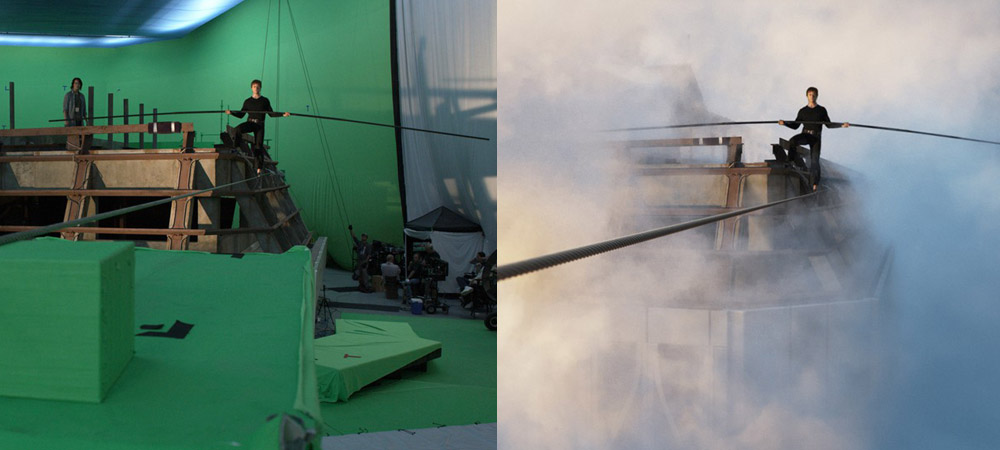
How Continuous Communication Between Editing, Directing, and VFX Teams Is Maintained
In modern film production, continuous communication among different post-production teams including editing, directing, VFX, sound design, and color grading is essential for maintaining creative and technical consistency. These teams often work collaboratively throughout different stages of the project, sometimes from separate physical locations, using both in-person and online tools to stay synchronized.
1. Using Online Collaboration Tools
Digital collaboration platforms have become fundamental for keeping post-production teams connected.
-
Shotgun / FTrack: These project management systems are widely used in VFX and post-production environments. They allow teams to track progress, share updates, exchange feedback, and coordinate workflows among departments such as editing, VFX, sound, and color.
-
Frame.io / Wipster: These platforms are particularly useful for editors and VFX artists, enabling teams to upload video versions, leave time-coded comments, and make iterative revisions collaboratively and in real time.
2. Regular Review Meetings and Team Check-Ins
Frequent meetings either in person or online are critical during the post-production process.
-
Review and Approval Sessions: Teams periodically review completed work together to ensure visual and technical accuracy. For example, editors may send a cut of the film to the VFX department for evaluation, after which the VFX team provides notes or revisions.
-
Technical Coordination Meetings: For complex visual projects, technical sync sessions are held to make sure that the artistic vision and technical execution are perfectly aligned across departments.
3. Daily Screenings and Review Sessions (Dailies)
In filmmaking, dailies refer to the daily screenings of newly shot footage. These sessions which can be conducted physically or remotely are vital for collaborative feedback.
During these reviews, editors, directors, and departments such as VFX, sound, and color grading watch the latest footage and discuss necessary changes.
-
Director and Editor Collaboration: The director provides creative and narrative feedback to the editor and VFX team, ensuring that every visual and storytelling element remains consistent with the intended tone of the film.
4. File Management and Data Coordination
Efficient file and data management are crucial for keeping all teams on the same page.
-
Shared Storage Systems: Platforms like Avid Nexis or Teradici allow teams to access shared project files in real time, regardless of location. Each department can upload, update, and synchronize their files directly through these systems.
-
File Delivery and Rendering: In VFX-heavy projects, rendered files are often transferred to the editing team via cloud-based systems or high-speed file transfer services, allowing editors to integrate the new visuals into the timeline immediately.
5. Real-Time Communication Through Video Conferencing
In large-scale productions especially when teams are spread across different regions online meetings and video conferencing become essential tools for real-time collaboration.
-
Remote Meetings: Tools like Zoom, Microsoft Teams, or Google Meet allow directors, editors, VFX supervisors, and producers to hold live discussions regardless of time zone or location.
-
Immediate Feedback Exchange: During these sessions, creative and technical feedback can be shared instantly, helping the entire production team stay coordinated and respond quickly to any issues that arise.
Conclusion
Continuous communication between editing, directing, VFX, sound, and color departments is the backbone of a successful post-production pipeline. By combining advanced online tools, organized data management systems, and consistent review sessions, film teams can maintain alignment across all creative and technical aspects ensuring that the final film feels seamless, cohesive, and true to the director’s vision.
6. Checklists and Coordination Processes
To ensure smooth communication and consistency between departments, production and post-production teams often rely on checklists and structured coordination workflows. These systems help every team stay aligned throughout the project’s various stages.
-
Coordination Checklists: These include dedicated checklists for cinematography, VFX, sound design, and color grading. They help guarantee that no essential steps are overlooked and that every department confirms their tasks are completed properly and on schedule.
Summary:
Even when different teams are working from separate locations, digital tools and structured processes allow them to maintain consistent communication and collaboration. Online project management platforms, regular review meetings, and coordinated workflows ensure that post-production remains efficient and synchronized across all departments.
The Editor’s Influence on VFX Execution
An editor can have a significant impact on how VFX (visual effects) are executed within a film project. In many productions, editors play a crucial role in shaping how visual effects are integrated, timed, and emotionally aligned with the story. This collaboration primarily takes place during post-production, where editing and VFX development overlap.
1. Timing and Scene Sequencing Decisions
The editor is responsible for setting the rhythm and timing of the film choices that can dramatically affect how VFX shots work within a scene.
For example, precise timing may be critical to make a visual effect feel natural and emotionally resonant. The editor might suggest that a VFX shot play slightly faster or slower to enhance dramatic impact or maintain the flow of the story.
2. Story and Emotional Integration
Editors often ensure that visual effects support rather than distract from the film’s narrative.
If an effect feels too flashy or emotionally disconnected from the scene, the editor can recommend adjustments to make it better fit the tone and storytelling rhythm. The goal is to keep VFX emotionally and narratively consistent with the rest of the film.
3. Suggesting Changes to VFX Design
When reviewing edited sequences, the editor may notice that a particular VFX shot doesn’t blend naturally with the footage. In such cases, the editor can collaborate with the VFX team to propose revisions such as altering timing, adjusting the effect’s intensity, or changing camera angles to make the shot more coherent and visually balanced.
4. Collaborating Through Previsualization (Pre-Vis)
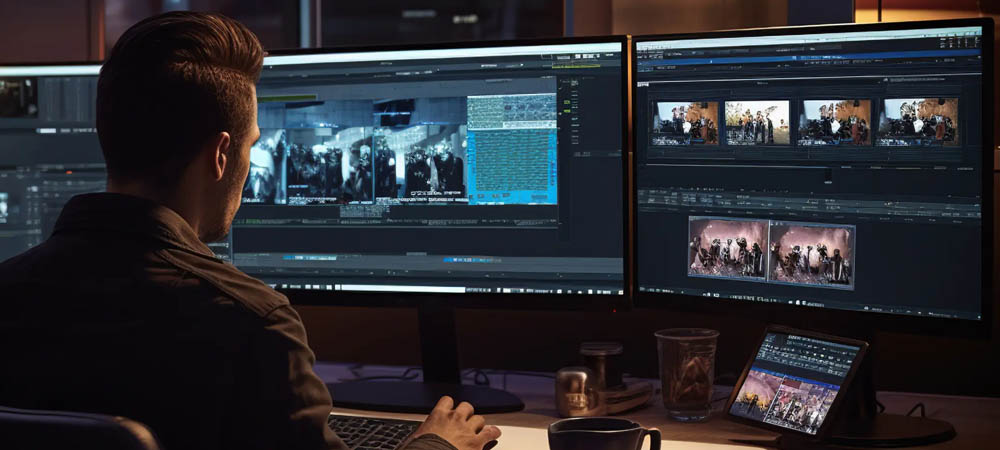
Editors can also be involved during the previsualization stage before the final VFX are rendered. Pre-Vis sequences (animated or rough 3D mockups) allow editors to experiment with pacing, framing, and transitions early on. This helps the entire team predict how the final VFX will fit within the edit and ensures that the visual rhythm matches the intended tone of the film. The editor can use these previews to adjust the timing and sequence of scenes, ensuring that the visual effects blend seamlessly into the film.
Providing Feedback for Finalizing Visual Effects:
In the final stages of production, the editor collaborates closely with the VFX team to make sure that the effects are perfectly aligned with the final edit of the movie. The editor may suggest adjustments to the VFX based on the final sound mix, music, or color grading all to enhance the visual and emotional impact on the audience.
Conclusion:
Overall, an editor plays an active and influential role in shaping how visual effects are implemented and experienced in a film. Beyond managing the pacing and structure of scenes, the editor ensures that VFX remain consistent with the narrative flow and visual tone of the movie. This close collaboration between the editor and the VFX team ultimately helps the film achieve a polished, cohesive, and emotionally engaging final result.
Refining and Analyzing VFX Scenes During Editing
Many visual effects (VFX) scenes require refinement and analysis during the editing stage to achieve their full impact and meaning. In fact, post-production and especially editing plays a crucial role in enhancing, finalizing, and harmonizing VFX with the rest of the film.
Here are several ways editing contributes to completing and refining visual effects:
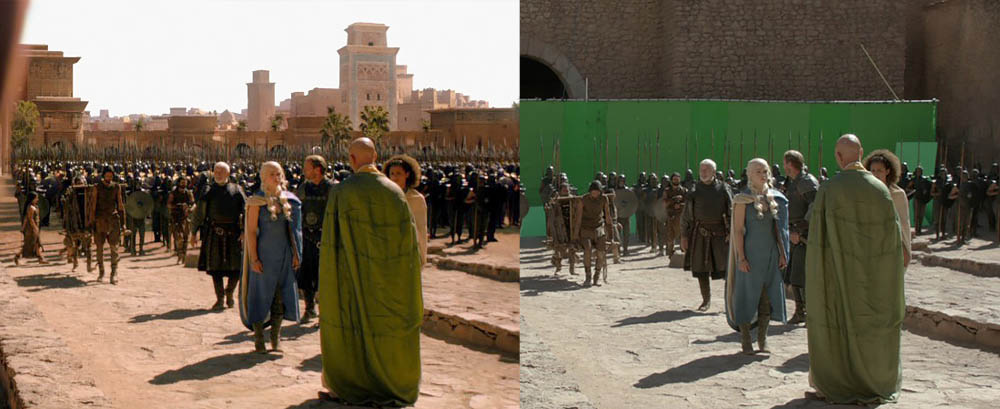
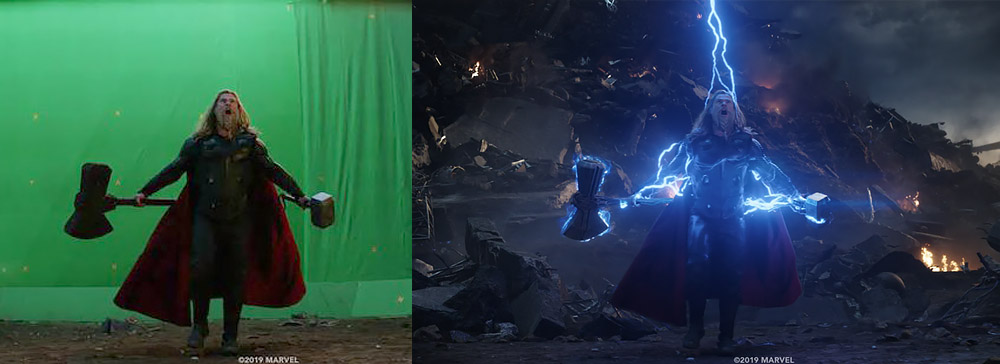
1. Compositing Real Footage with VFX:
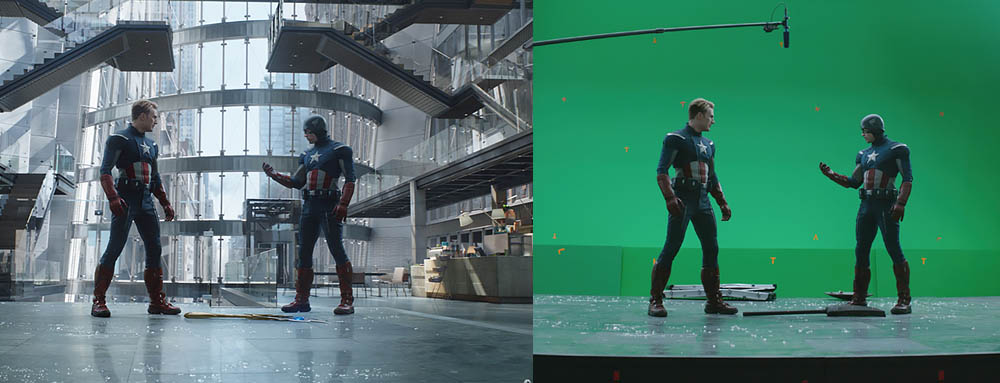
One of the most critical post-production tasks is compositing, where real-life footage is combined with computer-generated imagery (CGI). This process ensures that visual effects blend naturally into live-action shots.
Example:
Imagine a character flying through the sky. During filming, the actor may have been shot against a green screen. In post-production, editors and VFX artists composite in the sky and environment, creating a seamless and believable final image.
2. Timing VFX to Match the Film’s Rhythm:
VFX shots especially those involving motion or action (explosions, chase sequences, or dynamic camera moves) require precise timing. During editing, the pace and duration of these effects are fine-tuned so that they sync perfectly with the rhythm of the film.
Example:
In an action scene, explosions and camera shakes must be timed just right to maintain the intensity of the moment. Poorly timed editing can make even high-quality effects feel artificial or disconnected.
3. Synchronizing Visual and Sound Effects:
For VFX to feel immersive, they must align perfectly with the sound design. This synchronization often happens during the edit, ensuring that each explosion, movement, or laser blast is matched with its corresponding sound.
Example:
In a sci-fi battle scene, editors ensure that visual elements like weapon blasts or alien roars line up precisely with the sound effects making the audience feel fully engaged in the chaos of the moment.
4. Color Grading and Visual Cohesion:
Color grading is another key part of post-production that directly affects the realism of VFX. By adjusting color tones and lighting across the footage, editors ensure that CGI and live-action elements look consistent and cohesive.
Example:
In a space sequence, digital elements like planets or starfields are graded to match the overall tone and lighting of the live-action shots, giving the scene a unified, believable appearance.
5. Frame Adjustments to Enhance Visual Effects:
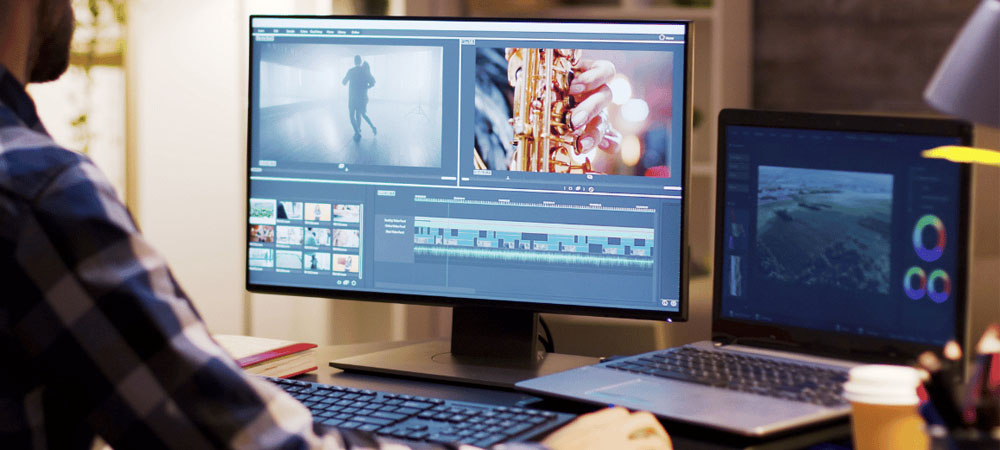
In some cases, even after filming has wrapped, certain frames may need to be modified to perfect the visual effects. These adjustments often happen during post-production or editing, where editors and VFX artists refine individual frames to ensure seamless integration between effects and live-action footage.
Example:
In complex VFX-heavy films, specific digital elements might be added or refined frame by frame to eliminate any visual inconsistencies or compositing errors, ensuring that every shot looks natural and cohesive.
6. Editing for Greater Visual Impact:
Some visual effects require creative editing choices to maximize their visual and emotional impact. This can involve rapid cuts, unique transitions, or adjustments in camera angles to emphasize the scale or intensity of the effects.
Example:
In scenes featuring fantasy worlds or otherworldly environments, an editor might use techniques like jump cuts or fast-paced transitions to shift between spaces and create a more dynamic and visually striking sequence.
Conclusion:
Overall, the editing phase plays a crucial role in completing and giving meaning to visual effects. It involves compositing shots, syncing with the film’s rhythm, adjusting colors, and refining effects to align with the story and mood of the film. Without this close interplay between editing and VFX, a movie would struggle to deliver the intended visual and emotional experience to its audience.
The Importance of VFX Artists Understanding Film Editing
In the film industry, both VFX specialists and editors possess distinct skills and expertise. However, when visual effects are a major component of a project, close collaboration and mutual understanding between these two roles become essential. While a VFX artist doesn’t need to be an editor, having a basic understanding of editing principles can be highly valuable.
- Understanding Editing Principles for Better Collaboration:
Although a VFX artist’s main focus is on creating digital imagery, familiarity with editing concepts can significantly streamline the post-production process and enhance the final outcome. A good grasp of how editing works enables VFX professionals to anticipate editorial decisions and design effects that integrate more naturally into the cut.
Example:
If a VFX artist knows that the editor plans to adjust scene timing or pacing, they can design the effects to fit smoothly after those changes preventing inconsistencies and saving both time and resources. This level of collaboration minimizes the risk of rework caused by unexpected edits.
2. Understanding the Technical Constraints of Editing:
Awareness of editing techniques also helps VFX specialists accommodate the technical limitations editors might face. For instance, an editor may need to alter scene order, shorten shots, or remove frames and a VFX artist should be able to adapt their effects accordingly.
Example:
If an editor changes the sequence of a scene or trims its duration, the VFX artist must be capable of adjusting digital effects to match the new cut. Knowing how editing tools and timing work makes this process far smoother and more efficient.
3. A Better Understanding of the Post-Production Workflow:
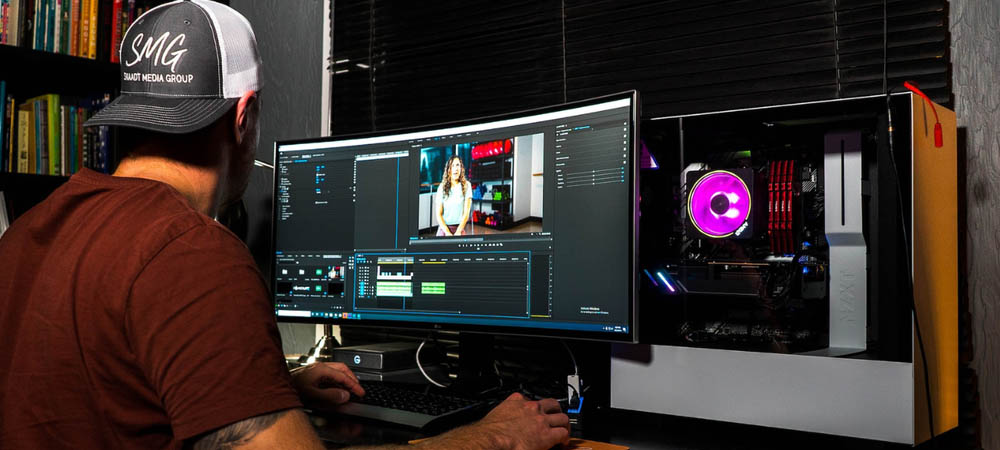
Having knowledge of the editing process helps VFX artists see the bigger picture of post-production including project timelines, production phases, and how visual effects integrate with other departments. This understanding allows them to make smarter creative and technical decisions early on, leading to a faster and more efficient production process.
Example:
In projects that use green screen extensively, a VFX artist needs to understand that the editor might adjust camera angles or actor movements during editing to enhance the shot’s flow. By anticipating this, the artist can design digital elements that blend naturally and convincingly into the final scene.
4. Cross-Department Coordination:
One of the most valuable outcomes of a VFX artist understanding film editing is smoother coordination between teams. When a VFX artist is familiar with editing workflows, they can collaborate more effectively with editors on timing, shot transitions, and the integration of effects within specific scenes.
Example:
If the editor applies techniques like motion blur or speed ramping to change the pacing of a shot, the VFX artist should be able to adjust the digital elements so they remain consistent with those editorial changes ensuring continuity in movement and realism across the sequence.
5. The Need for Synergy with the Editor:
In VFX-driven productions, continuous communication between editors and VFX specialists is essential. A VFX artist who understands editing principles can respond faster and more accurately to editorial updates or revisions.
Example:
When an editor alters the timing of a scene, the compositing or final rendering of effects must be adjusted accordingly. A VFX artist with knowledge of editing can adapt quickly, preventing inconsistencies and keeping the project on schedule.
Conclusion:
While a VFX specialist doesn’t need to master film editing, having a solid grasp of basic editing concepts is highly advantageous. It enables them to understand the overall post-production process, collaborate more effectively with editors, and contribute to a smoother, higher-quality workflow. This knowledge not only minimizes technical issues but also accelerates production and enhances the film’s visual and emotional cohesion ultimately delivering a seamless cinematic experience for the audience.

Sadjad Jahangiri
![Verified]()