
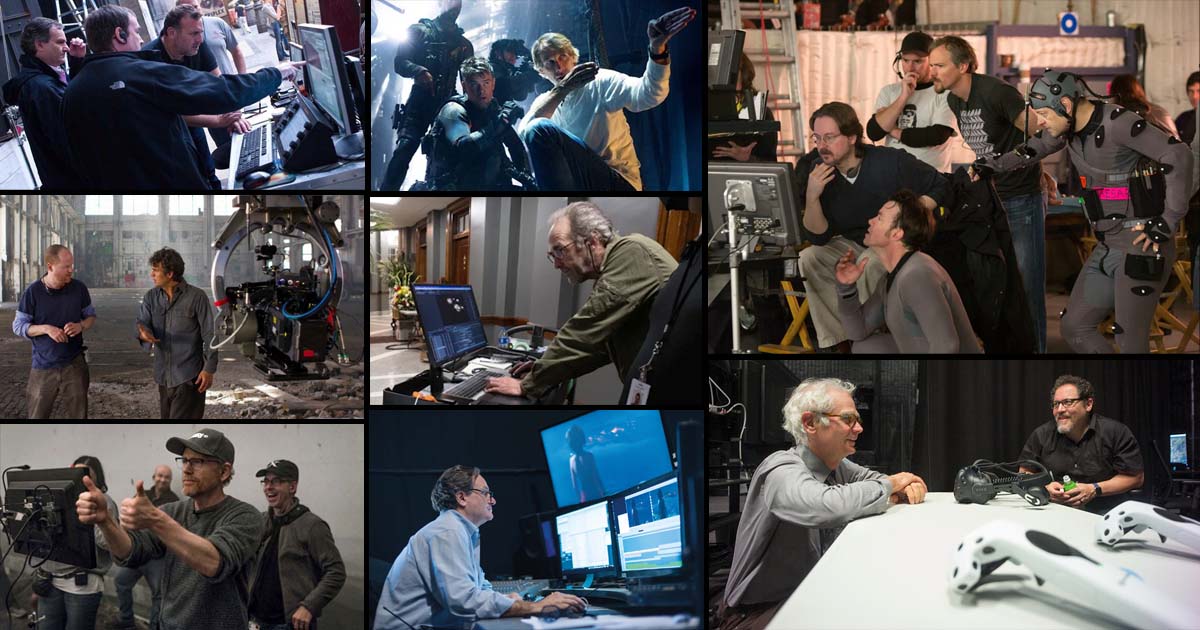
In the bustling world of cinema and television, where every frame can transport the audience into another reality, there exists an unseen yet powerful force orchestrating it all: the VFX Supervisor. This individual is the backbone of creativity and technology the one who turns visual magic into believable reality, brings dreams to the screen, and makes the impossible possible.
A VFX Supervisor oversees all artistic and technical decisions related to visual effects in a film, television, or commercial project from pre-production to post-production. They must possess both a deep technical knowledge and a strong artistic sensibility to balance the director’s creative vision with the project’s practical limitations.
Their role goes far beyond execution. They manage and guide the VFX team, design technical solutions for complex scenes, and ensure the final output meets the highest standards of quality. In essence, they act as the bridge between the director, the production crew, and the visual effects artists.
A skilled VFX Supervisor can analyze a screenplay from a visual effects perspective, identify challenging or effects-heavy moments, and propose effective, real-world solutions. They must also be fluent in translating the language of cinema into technical terms and vice versa to make the right decisions under pressure.
In this article, we’ll explore everything you might want to know about this fascinating profession: from technical and artistic skills, expertise, and responsibilities, to career levels, income, challenges, and how to enter the field. Join us as we step into the complex, thrilling, and creative world of VFX Supervisors the artists, engineers, and project leaders behind every cinematic frame.
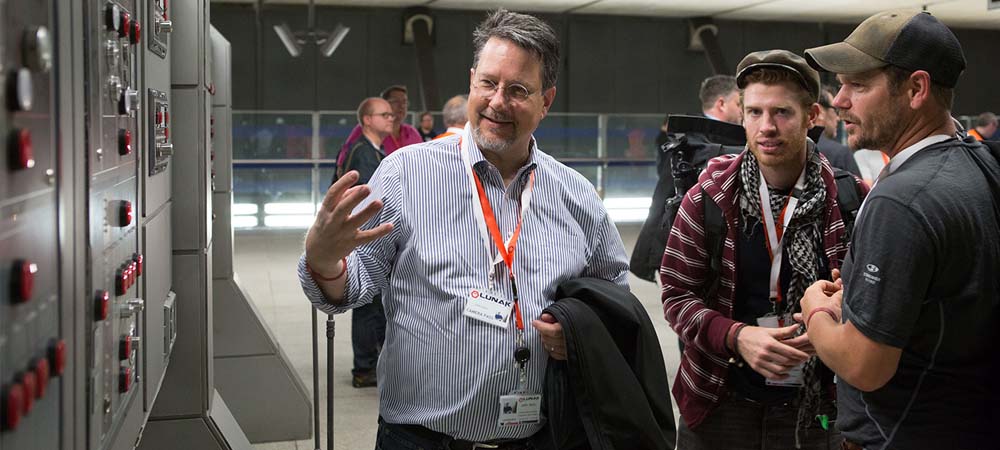
The Evolution and Foundation of the VFX Supervisor Role
Unlike many professions that were formally established through academic institutions or industry regulations, the role of the VFX Supervisor evolved organically over decades through hands-on experience and project-based collaboration.
The Beginnings: 1960s–1980s
During the 1960s to 1980s, films like 2001: A Space Odyssey (1968) and Star Wars (1977) created an urgent need for coordination between practical, mechanical, and optical effects. Visionaries such as Douglas Trumbull and John Dykstra played key roles in designing and executing groundbreaking effects. Although the title “VFX Supervisor” was not yet in use, these pioneers were essentially performing that role leading creative and technical teams while maintaining close communication with the director.
ILM and the Professionalization of the Role: 1980s–1990s
With the founding of Industrial Light & Magic (ILM) by George Lucas, visual effects production gained a more structured and professional foundation. Within this environment, artists and technologists like Dennis Muren, John Knoll, and later Scott Squires emerged not only as skilled creators but also as technical and creative managers overseeing the entire VFX process. ILM is often credited as one of the first companies to formalize and institutionalize the role of the VFX Supervisor within its production pipeline.
The Influence of Professional Societies
In more recent decades, organizations such as the Visual Effects Society (VES) and the Academy of Motion Picture Arts and Sciences (AMPAS) have played crucial roles in defining professional standards and recognizing the importance of VFX supervision. The introduction of awards like “Best VFX Supervision” at the VES Awards highlights the growing acknowledgment of this role as a highly specialized and strategic position within modern filmmaking.
The Nature, Stability, and Security of the VFX Supervisor Profession
The VFX Supervisor is a highly specialized and professional role that stands at the forefront of the digital filmmaking industry. This position plays a vital part in bridging artistry and technology to bring cinematic visions to life. However, the stability of this career largely depends on the mode of employment and the dynamics of the market.
Those who work full-time at major studios typically enjoy greater job security and consistent workflow, while freelance or project-based supervisors face more fluctuation—relying on their portfolio, professional network, and the availability of projects in the market. Nevertheless, many VFX Supervisors sustain long and prosperous careers. As their experience grows, so do their opportunities, income, and leadership responsibilities. Some eventually establish their own studios or independent teams, achieving both creative freedom and financial success.
In essence, success in this profession comes down to three core factors: technical mastery, strong professional relationships, and creative problem-solving. With these strengths, a VFX Supervisor can build a stable and rewarding career for many years.
Overall, this role is a powerful blend of management, creativity, technology, and collaboration. A VFX Supervisor is both an artist and a leader overseeing the entire VFX process while guiding a team of highly skilled, often unsung, professionals. For those drawn to the intersection of imagination and technology, this career offers an inspiring and fulfilling path.
Below is a table summarizing the key factors that influence job stability and security for VFX Supervisors:
eater job security and consistent workflow, while freelance or project-based supervisors face more fluctuation relying on their portfolio, professional network, and the availability of projects in the market. Nevertheless, many VFX Supervisors sustain long and prosperous careers. As their experience grows, so do their opportunities, income, and leadership responsibilities. Some eventually establish their own studios or independent teams, achieving both creative freedom and financial success.
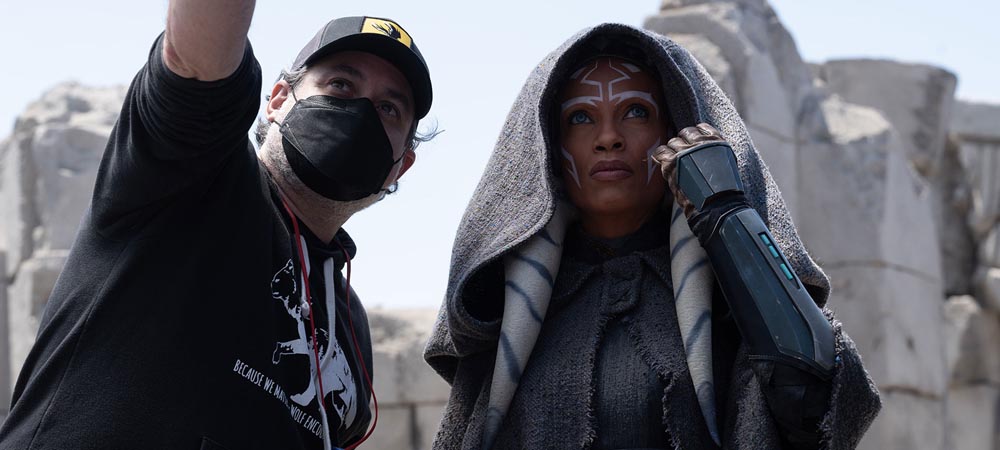
Complexity and Multidimensional Nature of the VFX Supervisor Role
The role of a Visual Effects (VFX) Supervisor is widely regarded as one of the most complex and multifaceted positions in the visual production pipeline. It’s a unique blend of technical expertise, artistic creativity, project management, and high-level communication skills. A VFX Supervisor must simultaneously possess deep technical knowledge of visual effects processes and a strong artistic vision that aligns with the director’s cinematic language.
This duality makes the supervisor a crucial bridge between the technical departments such as modeling, animation, and simulation and the creative team, including the director, lighting designer, and cinematographer. In addition, the supervisor oversees scheduling, budgeting, coordination among multiple production departments, and ensures the final quality of all visual elements.
Beyond the technical and managerial demands, the role requires quick and accurate decision-making under high pressure, along with the ability to solve complex creative and logistical problems. Altogether, these factors make the VFX Supervisor’s position one of the most challenging and multidimensional careers in the world of visual production demanding excellence in artistry, technology, leadership, and problem-solving.
Determining Which Visual Effects Appear in a Film
In the production of a feature film, deciding which visual effects (VFX) to include is a collaborative effort involving several key roles. While the director sets the overall vision of the film, it is the VFX Supervisor who is responsible for bringing that vision to life. Below are the primary roles in this process:
1. Director: The director is the chief creator of the film’s narrative world and decides which scenes require visual effects. Considering the story, emotional tone, and visual style, the director determines: which parts of the film need VFX, the overall tone and style of the effects, and the desired level of realism or exaggeration in the visuals. Typically, the director provides broad ideas and expects the VFX team to execute them convincingly and effectively.
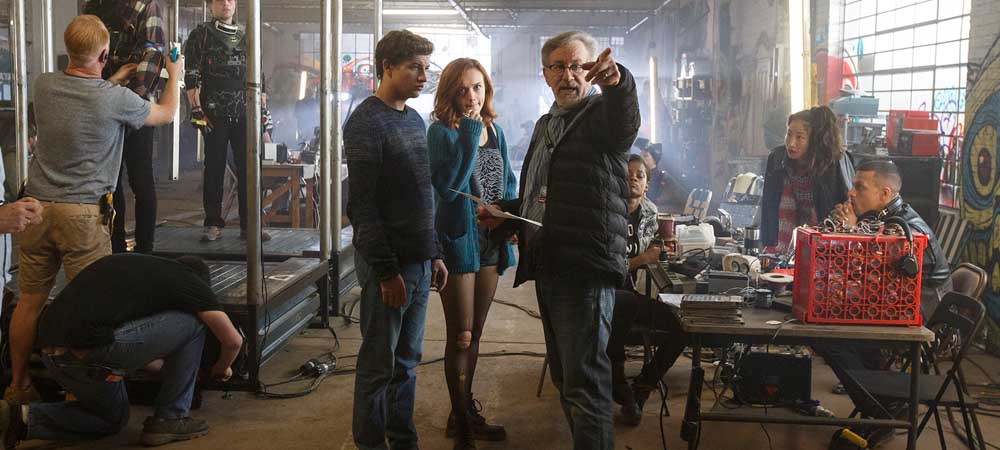
2. VFX Supervisor: The VFX Supervisor acts as the bridge between the directing team and the visual effects team. Their responsibilities include translating the director’s vision into technical and practical solutions, deciding which types of effects need to be created (such as CG, explosions, water, particles, scene composition, etc.), determining what should be filmed on set versus created in post-production, and overseeing the correct execution of effects by various teams (modeling, animation, simulation, compositing, etc.). A VFX Supervisor must possess both deep technical knowledge and a precise understanding of the film’s artistic goals.
3. Producer / VFX Producer: Producers, particularly the VFX Producer, play a crucial role in managing budget and schedule. They ensure that the execution of visual effects aligns with the available budget, identify more cost-effective solutions, and plan how to implement effects economically and on time. This role sometimes reviews and adjusts the technical proposals of the VFX Supervisor from a financial perspective.
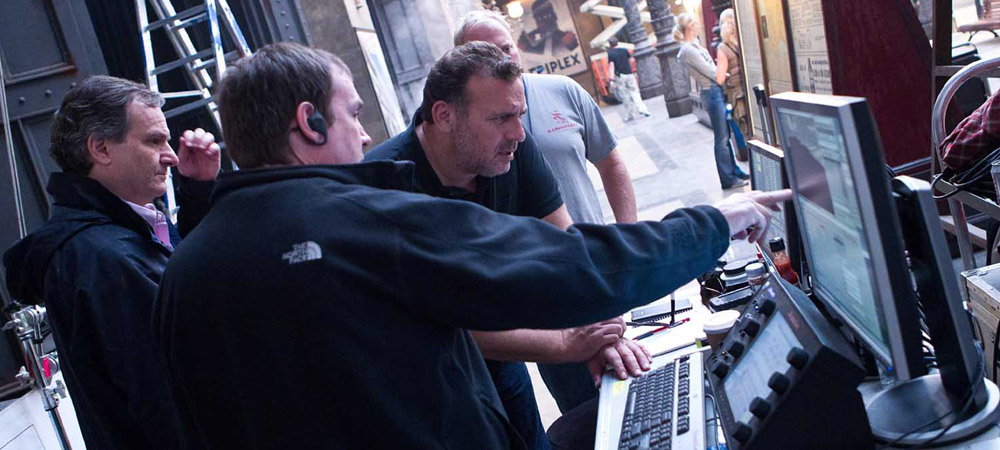
4. Director of Photography (DOP) and Camera Crew: The role of the DOP and the camera team is crucial in coordinating scenes with visual effects. For example, precise lighting must match CG elements, and camera setups need to facilitate tracking and compositing processes.
In summary, when it comes to “who decides which visual effects are created in a film?” the director determines the need for visual effects, but the VFX Supervisor is responsible for the detailed definition, design, technical implementation, and supervision of their execution. It is the collaboration between the director’s creative vision and the VFX Supervisor’s technical expertise that results in visually stunning and memorable cinematic scenes. In fact, the Supervisor is not just an overseer but a creative leader and strategic engineer of visual effects projects. Next, we will examine in detail how this individual directs and engineers the definition of visual effects.
VFX Supervisor: The Invisible Commander of Imaginary Scenes
The VFX Supervisor is often called the “Invisible Commander of Imaginary Scenes” because they play a central and decisive role in creating complex, magical, and unreal film sequences, yet their physical presence is never seen on camera. Like a commander behind the scenes, the Supervisor coordinates and directs all technical and artistic elements of visual effects to craft a believable and captivating image. They must have precise knowledge of how each part should be executed from the design of effects to coordinating different teams and subtly but effectively manage the workflow. They are responsible for critical decisions that determine the quality and success of imaginative scenes. Consequently, even though the audience never sees them, all the visual magic unfolds under their guidance, earning them the title of the “Invisible Commander.”
How a VFX Supervisor Guides and Engineers Visual Effects: An Overview
Script Analysis and Identifying Needs: After reading the script, the Supervisor identifies scenes that require visual effects. They assess what type of effects each scene demands—CG, practical, or a combination—and, together with the Director and Production Designer, decide how to convey the intended story emotion using VFX tools.
Translating the Director’s Vision into a Technical Plan: The Director’s creative requests may be broad or emotional (e.g., “This scene should feel chaotic”). The Supervisor translates these into technical, executable instructions: Is CG required? Should motion capture or wire work be used? Is a green screen or LED Volume necessary? What camera settings, lenses, tracking, or HDRI are needed?
Shot Design and Previsualization (Previs): With the help of storyboard and previs artists, initial versions of scenes are designed. The Supervisor ensures that the shots are both aesthetically appealing and technically feasible. They determine which elements should be captured during filming and which will be created in post-production.
Production Platform Design and Team Coordination: The Supervisor is responsible for setting up the VFX pipeline selecting software (e.g., Houdini, Nuke, Maya), creating a file exchange system between departments, establishing naming conventions, versioning, and asset management. They coordinate teams such as modeling, animation, simulation, rendering, and compositing to ensure a smooth workflow.
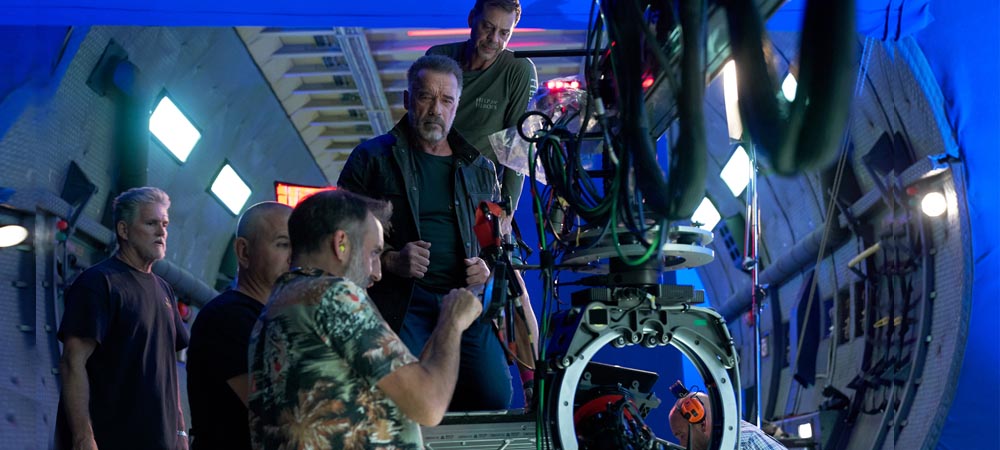
On-Set Supervision: The Supervisor is present during filming to ensure that cameras, lighting, markers, tracking elements, and HDRI setups are correctly implemented. They also handle light and color measurements (Color Chart, Gray Ball, Chrome Ball) and guide actors on interacting with invisible elements, such as CG creatures.
Post-Production Supervision: The Supervisor leads the execution process in the VFX studio, providing continuous feedback to the team (commonly called Dailies). They review shots for final quality, consistency with the film, and emotional storytelling. They coordinate closely with the Director and Editor to ensure that scenes progress in the intended narrative direction.
In essence, the VFX Supervisor is not just a technical expert they are the creative architect of the VFX project. Combining skills in cinema, engineering, leadership, and design, they translate the Director’s vision into visual and technical language, guiding it from script to the big screen.
Modern VFX Supervisor Responsibilities
In today’s film industry, the responsibilities of a VFX Supervisor are defined as follows: coordinating between the Director, Producer, and VFX teams; overseeing the visual and technical quality of shots; making decisions regarding tools, techniques, and workflow (pipeline); supervising teams such as compositing, lighting, FX, modeling, and tracking; and being involved throughout pre-production, production, and post-production stages.
Overall, the role of the VFX Supervisor has evolved over decades through hands-on experience on major projects. While no single person or organization solely defined this role, individuals like Dennis Muren, John Knoll, companies like ILM, and professional associations such as VES have played a pivotal role in shaping, developing, and standardizing it.
VFX Supervisor: The Backbone of Visual Effects in Film and Television
The VFX Supervisor is often called the “backbone of visual effects in cinema and television” due to their vital, multi-layered, and irreplaceable role in the success of modern visual projects. Here’s why this analogy fits:
Primary coordinator between creativity and execution: The VFX Supervisor acts as a bridge between the director’s creative vision and the technical skills of the VFX artists. They transform sometimes unreal ideas into practical methods that can be implemented in the real or digital world. Without them, the director’s ideas might be unfeasible or exceed time and budget constraints.
Final decision-maker on technical and artistic aspects of VFX: They are the sole authority for deciding which shots require green screens, where motion control or LIDAR scanning is necessary, what should be done with 3D modeling, and how all elements are ultimately integrated in the final compositing. These decisions must be quick, precise, and forward-looking.
Quality controller of the final visual effects: Even if the best VFX team works on a project, a shot is not delivered to the director until the Supervisor approves the final output. They ensure that lighting, color, perspective, and the emotional tone of the scene are correctly conveyed. Essentially, they place the final signature on every image.
Leader of complex and diverse teams: A VFX team can include dozens or even hundreds of specialists in areas such as FX simulation, modeling, animation, compositing, matte painting, and more. The VFX Supervisor keeps these teams aligned, provides feedback, resolves issues, and fosters effective communication. Without this leadership, a project can fall apart.
Guaranteeing coordination across pre-production, production, and post-production: They work with the director and production designer in pre-production, oversee on-set execution during filming, and supervise the VFX team’s output in post-production. They are the only individual present throughout all stages of a project, maintaining a comprehensive view of the entire process.
Determinant of VFX success or failure: When a VFX Supervisor does their job well, the audience doesn’t notice the visual effects they appear completely natural and believable. But mistakes in design or project management can result in effects that undermine the film and disappoint viewers.
Thus, just as the human spine supports all body parts and connects the brain to the limbs, the VFX Supervisor serves as the backbone of the entire visual effects creation process: in execution, quality control, and harmonizing art, technique, and production.
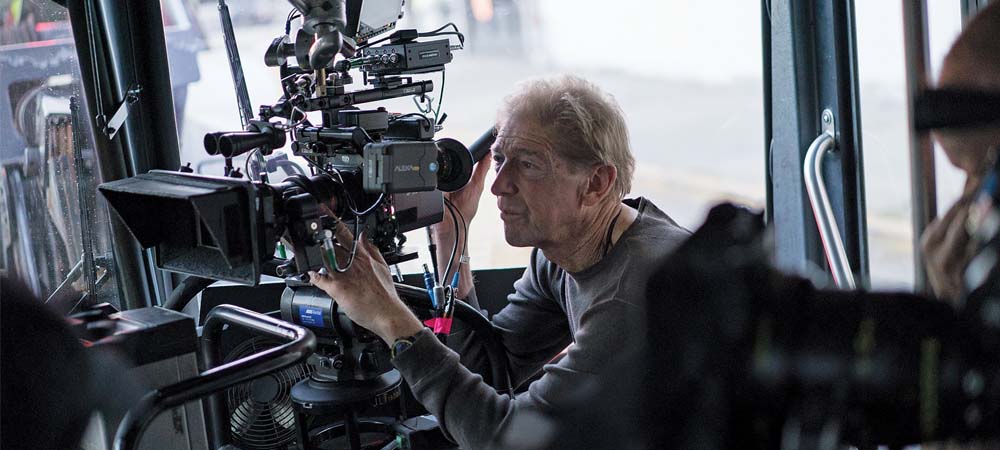
In fact, when we say the VFX Supervisor is the “backbone of creativity and technology,” it doesn’t mean they personally handle all technical and artistic work. Their primary role is managing, coordinating, and guiding all these different specialties and talents.
The Supervisor acts more as the leader and executive manager of the VFX team. They are responsible for setting creative and technical strategies, making key decisions, planning, and ensuring that every department modeling, animation, compositing, simulation, etc. works correctly and in harmony so that the final result is flawless and aligned with the director’s vision.
In other words, the Supervisor is the connecting point between art and technology, integrating both and enabling the team to move in the right direction. Technical and artistic specialists each play highly vital and specialized roles they are the main creators and executors of the effects but without a guide and coordinator like the Supervisor, teamwork cannot succeed cohesively.
The Supervisor anticipates challenges, solves problems, and ensures all members work toward a common goal. That’s why they are called the backbone: without their presence and management, the creative and technical structure of visual effects cannot remain stable or successful.
In this analogy, the specialists engineers and VFX artists are the “skeleton” and “muscles,” while the Supervisor acts as the “brain” and “heart,” keeping all these components together and guiding them.
Awarding Oscars and Similar Honors to the VFX Supervisor on Behalf of the Team
Oscars and similar awards are usually given to the VFX Supervisor because they represent the large and complex team working behind the scenes on visual effects. The Supervisor acts as the leader, coordinator, and ultimate authority on the quality and creativity of the work. They make key decisions, manage the workflow, and are responsible for delivering the final product to the director and producer.
Technical specialists such as modelers, animators, simulators, and compositors each play crucial and highly specialized roles in executing the effects. However, since major awards like the Oscars are typically presented to individual representatives of a project, the Supervisor usually receives the award on behalf of the team. This is similar to a project manager or team leader in other industries celebrating success on behalf of their team.
In more specialized or technical award ceremonies, different parts of the team may sometimes be recognized or mentioned, but at the main, public level, the Supervisor is acknowledged as the key figure and final authority, receiving the award. This does not diminish the importance of the specialists’ roles; rather, the managerial and coordination role of the Supervisor is more visible. Ultimately, without the precise and professional work of the specialists, the Supervisor could not achieve such success. Therefore, an Oscar effectively represents the success of the entire team, with the Supervisor acting as its representative.
Primary Responsibilities of a VFX Supervisor
The main responsibilities of a VFX Supervisor include:
- Carefully analyzing the script and identifying scenes that require visual effects.
- Consulting with the director to achieve a cohesive visual language.
- Planning the various stages of VFX and preparing technical breakdowns of shots.
- Actively participating in storyboard and previs meetings to understand the proper execution of scenes.
- Designing methods to integrate live-action footage with CG or FX elements.
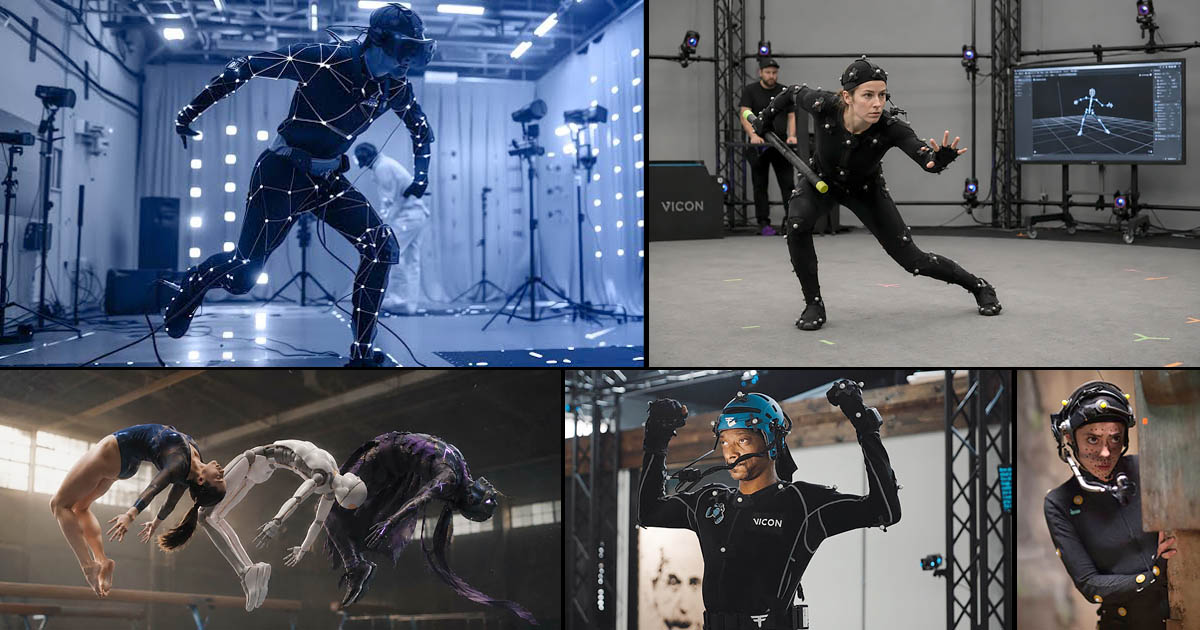
- Preparing technical requirements for filming, such as green screens, motion control, motion capture, HDRI, LIDAR scans, and photogrammetry.
- Supervising the shooting of scenes, especially those with heavy visual effects.
- Coordinating with the director of photography to ensure proper recording of technical data, including lens grids, camera settings, recording formats, and exposure.
- Managing post-production teams, including compositing, 3D, matte painting, simulations, and pipeline workflows.
- Reviewing initial versions of shots, providing feedback to the execution teams.
- Approving final versions and delivering them to the director or producer.

Skills and Abilities Required
An ideal set of skills for a modern VFX Supervisor includes:
- Proficiency in software such as Houdini for FX simulations, Nuke for compositing, Maya or Blender for modeling and animation, and Unreal Engine for real-time rendering.
- Strong knowledge of camera concepts, lighting, lenses, color, and composition.
- Deep understanding of the VFX pipeline, from rotoscoping to final grading.
- Excellent time management skills and the ability to coordinate effectively with multiple teams.
- Quick decision-making abilities under pressure.
- Sound understanding of production budgets and scheduling.
- Familiarity with emerging technologies, including augmented reality and artificial intelligence applications in VFX.
But does a VFX Supervisor really possess all these abilities?
Not always, and not all of these skills are concentrated in a single person. However, an experienced VFX Supervisor should at least have a deep, practical understanding of most of these areas, even if they are not an expert in every single one.
Proficiency in software like Houdini, Nuke, Maya/Blender, Unreal Engine: A Supervisor doesn’t necessarily perform every task themselves, but they must know the software well enough to evaluate quality, workflow, and team challenges. For example, if an FX Artist creates an explosion in Houdini, the Supervisor needs to understand the technical output and whether it fits properly into the compositing pipeline. In reality, many Supervisors, especially in large studios, are specialists in one software (like compositing) but have a functional understanding of the others and can speak the common technical language.
Knowledge of cameras, lighting, lenses, color, composition: This is absolutely critical. VFX cannot be believable without proper understanding of light, lenses, and camera physics. A good Supervisor must know why a scene’s lighting should be soft, or how focal length affects tracking.
Deep understanding of the VFX pipeline: This is perhaps the most important. The Supervisor must fully understand the entire process from previs and plate shooting to roto, matchmove, simulation, comp, and grading. One of their main responsibilities is to manage this chain correctly.
Soft skills: time management, team communication, quick decision-making: Yes, these are truly key traits. Without them, even the best technical knowledge won’t yield results. VFX projects often involve multiple teams across different time zones, so the Supervisor acts like an orchestra conductor.
Understanding of budget and scheduling: While larger projects have dedicated financial planners, the Supervisor still needs to make technical decisions considering time and budget constraints.
Familiarity with emerging technologies like AR or AI: Not mandatory, but increasingly advantageous. Many modern projects, such as combining CG with AR/VR or using AI for cleanup, require this awareness.
In summary, this is an idealized list of skills for a modern VFX Supervisor. In practice, they usually specialize in one area while having practical knowledge of others. More important than software mastery are cinematic vision, deep process understanding, and the ability to manage teams and time effectively.
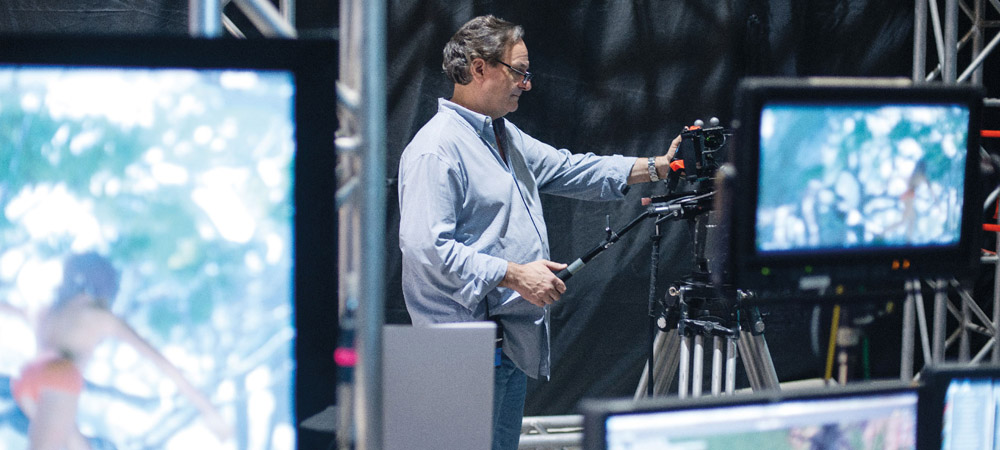
Holding Additional Roles and Positions for a VFX Supervisor within the Production Team
A VFX Supervisor can take on other roles or positions within a film production team, depending on factors such as individual skills, the structure of the production team, budget, and type of project. Here are some of the most common additional roles a VFX Supervisor might assume:
Second Unit Director for VFX Scenes: In projects with many VFX-heavy scenes, the VFX Supervisor sometimes acts as a second unit director or assistant director for shooting those scenes, especially when there are no actors involved and the scene is entirely digital.
Technical or Set Design Consultant: On some projects, the Supervisor’s deep knowledge of cameras, lighting, lenses, simulation, and on-set physics allows them to serve as a technical consultant for set design or stage layout for example, determining green screen placement or designing a set to facilitate compositing later.
Visual Effects Director: In larger projects or productions fully based on VFX (such as photorealistic animations or fully CG environments), the Supervisor may also take on the role of directing VFX sequences.
Technical Editor for VFX Scenes: If the Supervisor has editing experience, they may assist in the initial or final editing of complex VFX scenes to ensure proper timing and rhythm between live-action and digital elements.
VFX Producer: In smaller or independent projects, a Supervisor may also act as the VFX Producer, overseeing not only technical supervision but also scheduling, budgeting, and overall management of the VFX production team.
Other Creative Roles: Some Supervisors have additional creative expertise, such as concept or creature design, animation and movement physics, or even sound design for visual effects (if they have experience in sound design).
Real-World Examples:
- John Knoll: In addition to being a VFX Supervisor at Lucasfilm, he is also one of the creators of Photoshop and a key creative contributor to Rogue One.
- Rob Legato: On projects like The Jungle Book, he was also part of the VFX directing team.
- Richard Baneham: In Avatar: The Way of Water, he simultaneously supervised VFX and directed some complex motion-capture sequences.
In summary, depending on skills, experience, and project structure, a VFX Supervisor can take on additional responsibilities such as directing specific scenes, providing technical consultation, set design, or even producing VFX. This versatility is one of the most valuable aspects of a VFX career.
VFX Supervisor: The Connecting Link Between Directing, Technology, and Visual Aesthetics
The VFX Supervisor plays a unique and crucial role in film and television production, serving as a vital bridge between various aspects of a project. On one side, they must fully understand the director’s vision and visual language, knowing what imagery and mood each scene should convey. This requires a deep comprehension of cinematic aesthetics, visual storytelling, and creating a distinctive experience for the audience.
On the other side, the VFX Supervisor must possess technical expertise and mastery of complex VFX technologies to provide creative and practical solutions for realizing the director’s ideas. This delicate balance between art and technology positions the Supervisor as a bridge between the creative world of directing and the technical world of VFX production.
In addition to coordinating technical teams such as modeling, animation, simulation, and compositing, the Supervisor makes critical decisions that must align with the artistic vision while remaining technically feasible. As a result, the VFX Supervisor simultaneously acts as a creative leader and technical manager, ensuring that technology serves art in the best possible way.
The Role of the VFX Supervisor in the Visual Architecture of Films
The VFX Supervisor plays a key role in shaping and designing the visual architecture of a film. They are not only responsible for executing visual effects but are also considered one of the principal architects of the film’s visual structure. By carefully analyzing the script and understanding the director’s visual language, the Supervisor determines which parts of the film should be supported or enhanced with VFX to better convey mood, tone, and the story’s atmosphere.
Working closely with the cinematographer, production designer, lighting designer, and other members of the art team, the VFX Supervisor designs visual solutions that result in cohesive and believable imagery. For example, they decide where to use technologies such as augmented reality, 3D simulations, or computer-generated imagery to naturally and seamlessly maintain the boundary between the real and imaginary worlds.
In essence, the VFX Supervisor acts as both designer and coordinator of the film’s entire visual architecture, ensuring that every image and scene aligns with the artistic and technical vision of the project, maximizing the audience’s visual experience.
Career Path to Becoming a VFX Supervisor
The career path to becoming a VFX Supervisor often begins with entry-level roles in the industry such as roto artist, paint artist, or junior compositor. Over time, by learning software skills and cinematic concepts, an individual progresses to more specialized roles like compositor, CG artist, or FX TD. Demonstrating the ability to lead a team or manage small projects can then lead to positions such as CG Lead or Compositing Supervisor. After several years of experience, building a strong showreel, and proving the ability to solve complex problems and make critical decisions under pressure, one can step into the role of a VFX Supervisor on major projects.
Challenges of the VFX Supervisor Role
The challenges of this role include intense time pressures, especially on projects with tight deadlines, managing limited budgets against ambitious visual goals, ensuring technical accuracy in complex shots that combine live-action and CG, and facing the high risk of project failure if a shot is designed or executed incorrectly. Additionally, constant and smooth collaboration with various production departments is essential, as poor decisions or insufficient coordination can result in visuals that appear unrealistic or unacceptable.
Career Outlook and Job Market
The global career outlook for this profession is very promising. Leading studios such as ILM, Weta FX, DNEG, Framestore, and MPC are constantly seeking skilled and experienced VFX Supervisors capable of managing complex projects. In Iran, with the growth of digital productions, high-budget series, and the international presence of films, the demand for VFX specialists is steadily increasing. Job opportunities are expanding across television commercials, feature films, online series, and even video games. Individuals who can adapt to new technologies and trends in VFX will have a bright and promising future.
Key Figures in This Field
Among the key figures in this field, we can mention Rob Legato, who has won multiple Oscars for his work on projects like Titanic, Hugo, and The Jungle Book; Joe Letteri, recognized as one of the leading figures at Weta Digital for works such as Avatar and The Lord of the Rings; John Knoll, not only one of the co-creators of Photoshop but also the supervisor of projects like Star Wars; and Andrew R. Jones, who played a significant role in projects like Avatar and I, Robot. These individuals are examples of the combination of creativity, leadership, and technical skill and can serve as highly valuable professional role models for those interested in this career path. The table below lists some of the best and most successful VFX Supervisors worldwide:
Work Locations of a Visual Effects Supervisor
A VFX Supervisor is present in different locations depending on the project stage:
During Production: They are on set to closely supervise lighting, camera angles, HDRI information, and the recording of data required for digital effects. They must ensure that everything filmed aligns with the needs of VFX in post-production.
During Pre-Production and Post-Production: They work in the studio, guiding and directing VFX teams, including modelers, animators, compositors, and simulation specialists.
In summary, the supervisor is present both on the field and behind the scenes, acting as a bridge between the real and digital worlds.

Salary and Status of Behind-the-Scenes VFX Specialists Compared to the Supervisor
In most projects, the VFX Supervisor has a higher salary and status due to their managerial role, ultimate responsibility, and direct communication with the director and producer. However, skilled VFX specialists such as Houdini FX Artists, professional Nuke Compositors, and senior TDs can earn very high incomes.
From the perspective of visibility and public recognition, it is usually the supervisor whose name appears prominently in the credits and who represents the VFX department at festivals. Nevertheless, no visual effect can exist without the behind-the-scenes artists. These individuals are the backbone of the production.
VFX Supervisor Income and Sources
The income of a VFX Supervisor varies depending on the country, experience, and type of project:
- Approximate annual income:
- United States: $80,000 to $150,000
- Europe: €60,000 to €120,000
- Iran and similar countries: varies widely from project to project, but can be very high for foreign or currency-based projects.
Source of salary:
- If employed by a studio, the salary is paid by the studio.
- If working freelance or on a project basis, payment comes directly from the producer or production company.
Financial Independence Through a VFX Supervisor Career
This profession has the potential for high income, provided conditions such as:
- Working on international or high-budget projects
- High technical proficiency and team leadership skills
- Professional networking in global markets
- Participation in projects showcased at international festivals or markets
- Establishing an independent studio or company and securing foreign projects
In fact, a smartly managed VFX Supervisor career can lead not only to a comfortable lifestyle but also to a strong financial position.
Position of a VFX Supervisor in the Production Team Structure
In the hierarchical structure of a film or television project, the position of a VFX Supervisor is typically as follows:
Director
│
├── Producer
│ └── Visual Effects Supervisor (VFX Supervisor)
│ ├── CG Supervisor
│ ├── Compositing Supervisor
│ └── FX / Lighting Leads
│ └── VFX Artists (Modelers, Animators, Compositors, etc.)
The VFX Supervisor maintains direct contact with the Director and Producer, and is responsible for balancing artistic needs with technical limitations. They also approve the final quality of VFX shots. Overall, a Visual Effects Supervisor is a professional with a creative, technical, and managerial mindset. From pre-production to post-production, they oversee the entire process. Their role is not only to lead the VFX team but also to preserve the artistic integrity of the project. For those interested in a world where imagination, science, team leadership, and problem-solving converge, this position represents one of the most inspiring peaks in the film industry. The table below illustrates the hierarchical structure of a production team in modern projects with a focus on heavy visual effects:
Position and Hierarchical Rank of the VFX Supervisor Compared to the Director of Photography
The Visual Effects Supervisor (VFX Supervisor) plays a key and strategic role in planning and executing shots that involve visual effects. In other words, they determine what needs to be done for the VFX to be properly created. The Director of Photography (DP) remains responsible for the technical and artistic aspects of cinematography, controlling lighting, framing, camera angles, and image quality. Therefore, in these specific VFX-heavy shots, the VFX Supervisor holds higher expertise and decision-making authority regarding visual effects and leads that portion of the production. However, in the overall production hierarchy, the DP retains the senior role in cinematography and lighting. Essentially, their roles are complementary and specialized: the VFX Supervisor acts as the "specialized authority" for visual effects, while the DP is the overall commander of on-set cinematography.
Defining and planning how VFX-heavy scenes are shot is the responsibility of the VFX Supervisor, but this does not formally elevate their position above the DP. The VFX Supervisor provides the most specialized input to ensure VFX can be correctly executed. Meanwhile, the DP oversees all aspects of cinematography, lighting, framing, and overall image quality, maintaining a formal, hierarchical seniority in production. In practice, VFX-heavy sets require close collaboration and mutual respect between the VFX Supervisor and DP. The VFX Supervisor makes technical VFX decisions, while the DP commands the cinematography. Both roles are critical and specialized, but the DP retains formal hierarchical superiority.
In summary: Planning and directing VFX shots by the VFX Supervisor does not make their official rank higher than the DP; rather, it is a specialized, collaborative role essential for the success of VFX scenes.
The table below shows the hierarchical structure and division of responsibilities within a VFX production team on large, professional projects:
"In the bustling world of cinema and television, where every frame can transport the audience into another reality, there exists an unseen yet powerful force orchestrating it all: the VFX Supervisor. This individual is the backbone of creativity and technology the one who turns visual magic into believable reality, brings dreams to the screen, and makes the impossible possible."

Sadjad Jahangiri 





Add comment