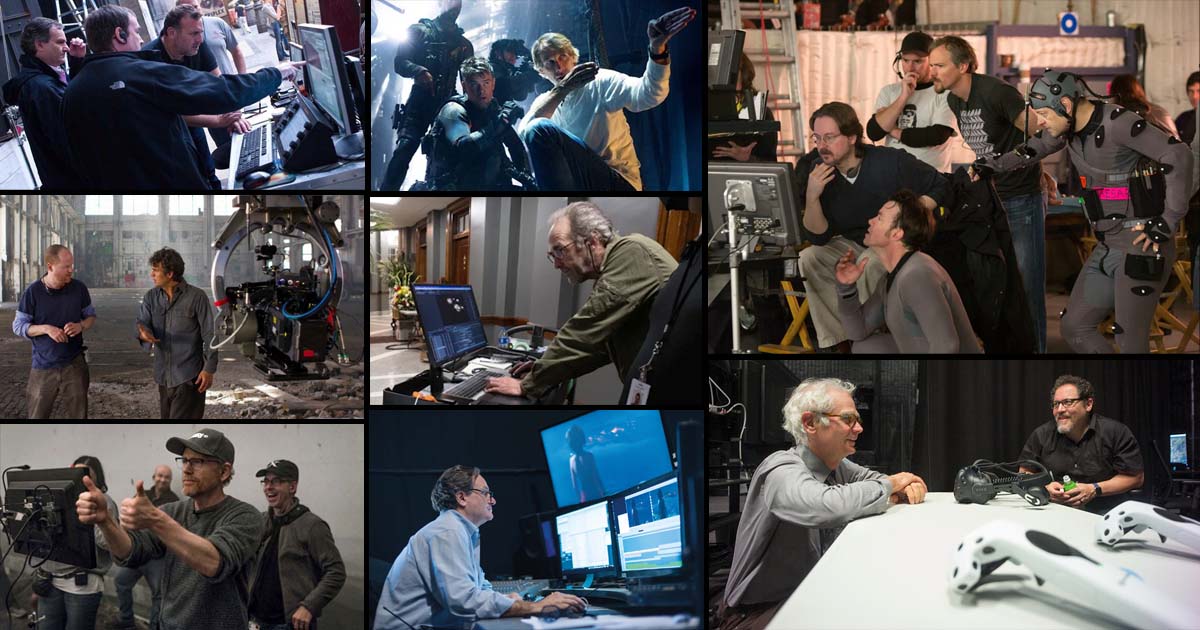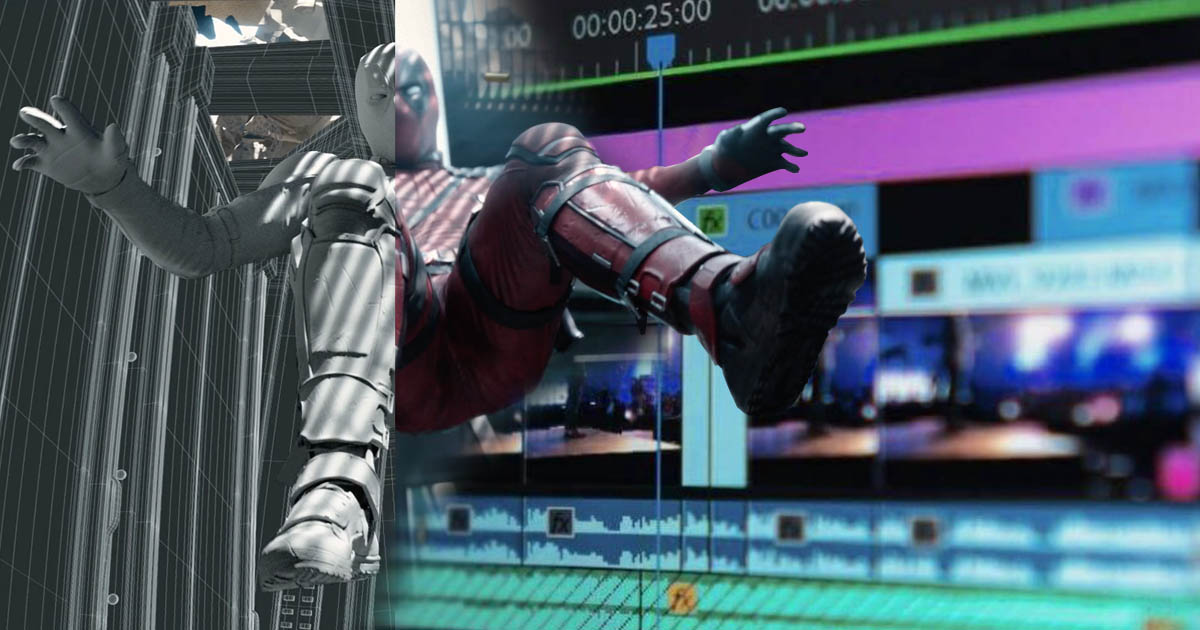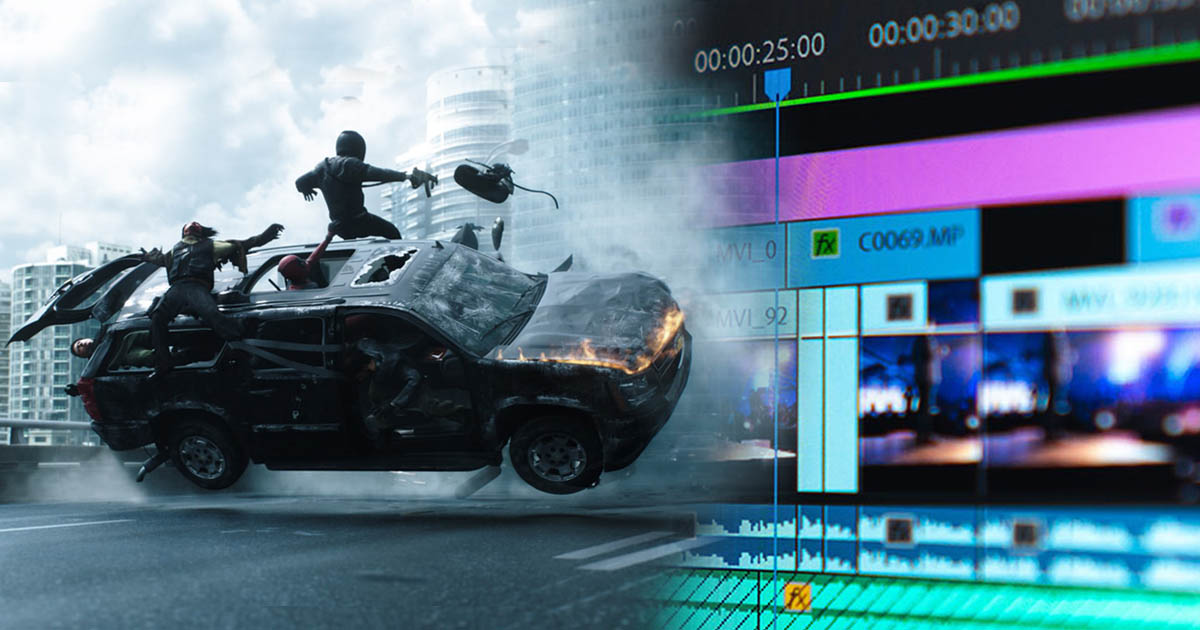

VFX shots refer to scenes in a film that incorporate visual effects. These shots go through a specialized process of design, creation, management, and ultimately compositing and editing. Each step is handled by skilled professionals using dedicated software, hardware, and well-defined production pipelines. In this article, we’ll explore and break down the entire process.
VFX shots serve as powerful tools in visual storytelling not only for creating new worlds but also for amplifying emotions, enhancing quality, and enriching the audience’s experience. Each shot, as part of a larger cinematic whole, has a direct impact on how the story is perceived visually and emotionally.
In the complex and fascinating world of cinema and television, visual effects (VFX) technologies play an irreplaceable role in bringing imaginary worlds and visuals to life visuals that could never exist in the real world. Particularly in large-scale film and television productions, VFX shots are considered one of the key pillars that transform a story into a compelling and immersive visual experience.
However, designing, managing, and editing these shots is a sophisticated process that requires deep knowledge, precision, coordination, and exceptional teamwork across multiple disciplines, including art, technology, and project management. In this article, we’ll take a closer look at how VFX shots are designed, managed, and edited examining their challenges and complexities from different angles. From the initial concept to the final execution, every stage of this process can have a profound effect on the final quality of the project.
In general, the topics of VFX shot design, management, and editing refer to the production workflows that define how visual effects are created and integrated into films. Together, these processes ensure that visual effects are executed efficiently and accurately across various productions whether in movies, TV series, video games, or other visual media. Collectively, they are known as the VFX Workflow or VFX Pipeline.
Here’s a brief overview of each stage:
-
VFX Shot Design (VFX Design):
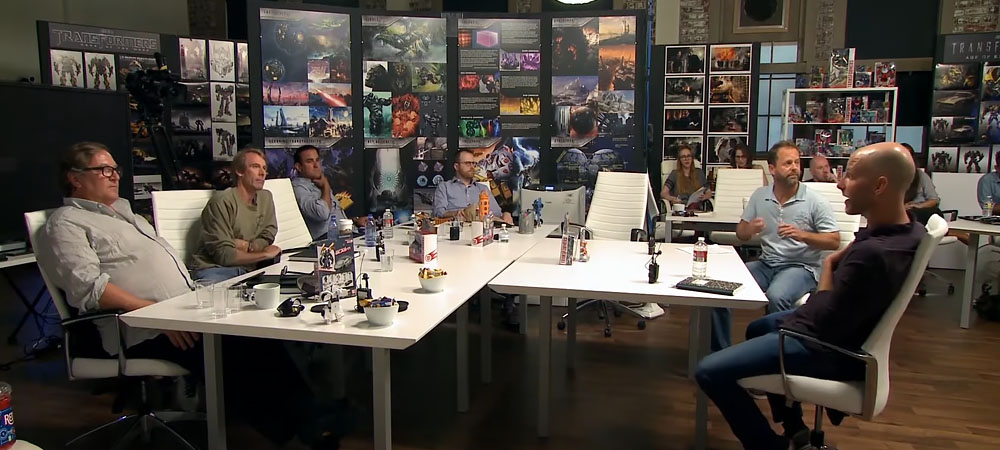
This phase involves the initial concept and visual planning. VFX artists develop the digital elements needed to enhance the story. It includes pre-visualization (Previs) early 3D simulations of shots created with specialized software along with concept design, sketches, early modeling, and preparation for subsequent production stages.
-
VFX Shot Creation (or VFX Shot Production)
This stage refers to the actual production and execution of visual effects shots. It encompasses all the artistic and technical processes involved in building a complete VFX shot. Once the design phase is approved, production begins — combining a variety of specialized techniques such as compositing, 3D modeling, animation, simulation, and rendering.
The VFX team is responsible for ensuring that every detail is crafted with precision and visual consistency, so the shots blend seamlessly with the live-action footage. The term CGI Shot Creation is also used when the shots are generated primarily through computer-generated imagery (CGI).
-
VFX Management
This phase focuses on the coordination and supervision of the entire VFX production process. Project managers, VFX supervisors, and production coordinators work closely to manage schedules, allocate resources, and ensure smooth collaboration across all teams. Effective VFX management includes timeline planning, task distribution, progress tracking, and resource management all of which are essential for maintaining quality and meeting deadlines. -
VFX Editing
The final stage involves integrating the completed VFX shots into the live-action footage. Editors and compositors work together using specialized software to seamlessly merge the visual effects with the rest of the film. The goal is to ensure that every shot feels cohesive, natural, and visually consistent within the story.
This process typically includes compositing, color grading, and final shot integration, all of which combine to deliver a polished and cinematic final image.
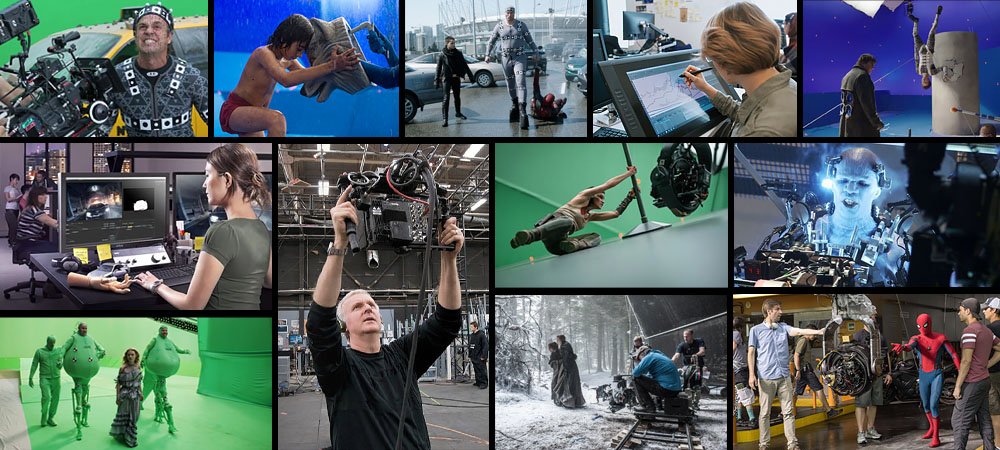
Who Defines the Scenes in a Film?
In the filmmaking industry, screenwriters and VFX designers each play distinct but complementary roles in shaping a film. Generally, the screenwriter is responsible for crafting the story and overall structure of the film. They describe the events, dialogue, characters, and emotional arcs, sometimes including brief notes about the setting, time, or atmosphere of each scene. However, these details are typically broad and non-technical, focusing more on narrative intent than on visual or cinematic execution.
In essence, the screenplay serves as a roadmap for the filmmakers, not a technical manual. Many of the visual and production details that appear on screen are not explicitly defined in the script. The screenwriter does not determine how a scene will be filmed, how the visual effects will look, or what cinematic techniques will be used to portray certain events those decisions fall under the expertise of the director and the VFX team.
VFX designers are responsible for conceptualizing and creating visuals that cannot be captured in the real world, or would be extremely difficult to achieve using standard filming techniques. These visuals may include imaginary creatures, natural phenomena such as storms, fire, or explosions, and environments or scales that only digital technology can produce.
For instance, when a screenwriter writes a line like “An alien descends from the sky,” they are simply conveying the narrative idea. It is the VFX designers who determine what the alien looks like, how it moves, and how it integrates into each shot using computer graphics and digital artistry to make it appear believable and emotionally resonant.
Similarly, when the script calls for a massive storm or a large-scale disaster, the VFX team must design and execute those scenes using digital tools and simulations that bring the writer’s imagination to life.
Ultimately, the screenwriter shapes the story’s foundation and emotional flow, while the VFX designers enrich it visually, transforming imagination into tangible imagery. These two roles complement one another, and effective collaboration between them is essential for delivering a cinematic experience that feels both narratively compelling and visually immersive.
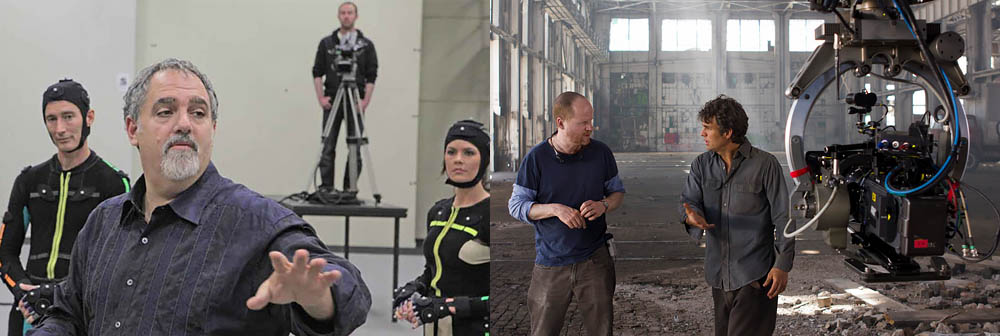
Can VFX Designers Go Beyond the Script?
As mentioned earlier, the visual and technical details of VFX shots are primarily the responsibility of the VFX designer. These designers, along with their technical teams, create complex shots that combine digital visual effects with live-action footage. Their job is to produce images that cannot be easily filmed in real life or would be impossible to recreate naturally. To achieve this, VFX designers meticulously craft every element of a shot, including camera movement, color composition, physical effects such as explosions or storms, digital creatures, and even fully realized virtual environments.
When it comes to whether VFX designers can go beyond what is written in the script, the answer largely depends on the director’s vision and the production workflow. In most cases, VFX designers work closely with both the director and the screenwriter to ensure that every visual element aligns with the film’s narrative and tone. While the script usually provides guidance on events and settings, VFX designers often contribute creative ideas that can enhance or expand certain scenes.
They may introduce visual elements not explicitly mentioned in the screenplay for example, a designer might suggest an additional effect, shot, or environmental detail that strengthens the emotional impact of a scene or adds depth to the film’s visual world. These contributions are typically made in service of the story, not as deviations from it.
In short, while VFX designers have the creative freedom to propose new visual ideas, these additions must remain within the overall framework of the film’s narrative and the director’s vision. Going beyond the script without coordination could disrupt the film’s cohesion and storytelling flow.
The Core Framework for Designing and Creating Visual Effects in Film Scenes
In the process of designing and producing visual effects (VFX) for films, the screenplay is undoubtedly one of the key foundations but it is not the only guiding framework for VFX design. The screenplay, as the backbone of the story and the roadmap for the film’s events, determines which scenes require visual effects and what kind of emotions or impact those effects should convey. However, the creation and implementation of VFX are influenced by several additional artistic, technical, and directorial factors.
-
Screenplay and Directorial Vision:
The screenplay primarily defines the narrative content and structure, and it often includes references to scenes that will require visual effects. For instance, if the script describes a massive explosion or an intergalactic battle, these cues help the VFX team understand the specific needs of those moments. At the same time, the director plays a crucial role in shaping how these effects will be presented visually ensuring that they align with the overall tone, atmosphere, and emotional direction of the film. -
Visual Control and Film Style:
The visual style and genre of a film also provide important creative direction for VFX designers. A fantasy or science fiction movie, for example, will rely much more heavily on digital effects than a historical drama or character-driven story. The visual identity of the film its color palette, cinematography, and artistic tone influences how visual effects are designed and integrated to create a consistent cinematic experience.
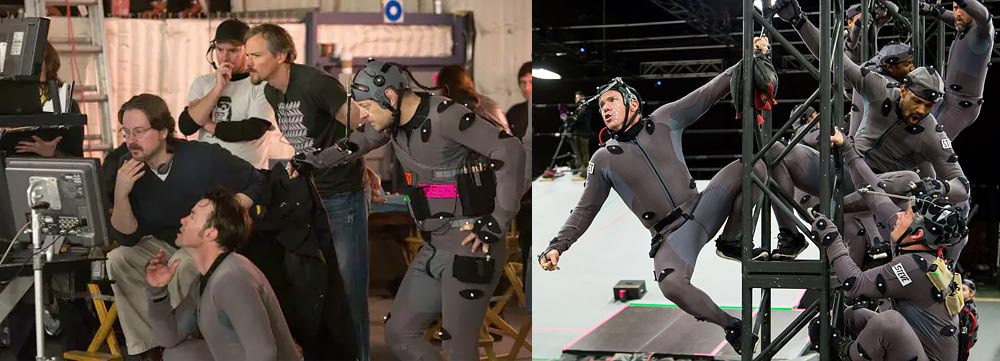
VFX designers must ensure that the visual effects they create are consistent with the overall style and tone of the film, contributing to its visual coherence and storytelling flow.
-
Technical Considerations and Technological Limitations:
Technological constraints and budgetary limits also play a major role in VFX design. Sometimes a screenplay may describe scenes that are extremely difficult or even impossible to achieve within the available technical or financial resources. In such cases, VFX designers must find creative solutions to overcome these limitations. This might involve adjusting techniques, simplifying certain effects, or even suggesting script modifications to make the vision achievable within production realities. -
Coordination with Other Production Departments:
Designing effective visual effects requires close collaboration with many other departments across the production pipeline including set design, lighting, cinematography, and editing. For instance, if a digital character is to appear in a live-action scene, the VFX team must coordinate with the cinematographer to ensure that camera angles, lighting conditions, and movement are aligned. This coordination allows the digital elements to blend seamlessly with the physical footage, creating a believable and immersive experience.
Conclusion:
While the screenplay provides the core foundation for designing visual effects outlining the story and the needs of each scene it is far from the only guiding factor. A film’s directorial vision, visual style, technical constraints, and interdepartmental collaboration all play equally important roles in shaping the final VFX outcome. Ultimately, successful visual effects are the result of multiple creative and technical forces working together to deliver a unified and emotionally resonant visual experience for the audience.
A screenplay written for a film that includes visual effects (VFX) often possesses certain characteristics that distinguish it from a traditional script. In such screenplays, the writer must craft the story in a way that not only conveys narrative and emotion but also takes into account the technical and visual requirements of the production.
Here are some of the main differences and features that typically define VFX-oriented screenplays:
-
Detailed Descriptions for VFX Shots:
In a standard screenplay, the writer may only describe events in broad strokes, focusing on dialogue and story flow. However, in a VFX-heavy screenplay, there is usually a greater emphasis on visual and technical detail, particularly in scenes that require digital effects. These descriptions often specify the type of effect needed and how it should appear on screen.
For example, a script might read:
“A massive alien creature emerges in the sky, radiating strange beams of light as its deafening roar echoes through the clouds.”
Such a description makes it clear that the scene will require complex visual effects work, including the design of the creature, its lighting, and environmental effects to support the spectacle.
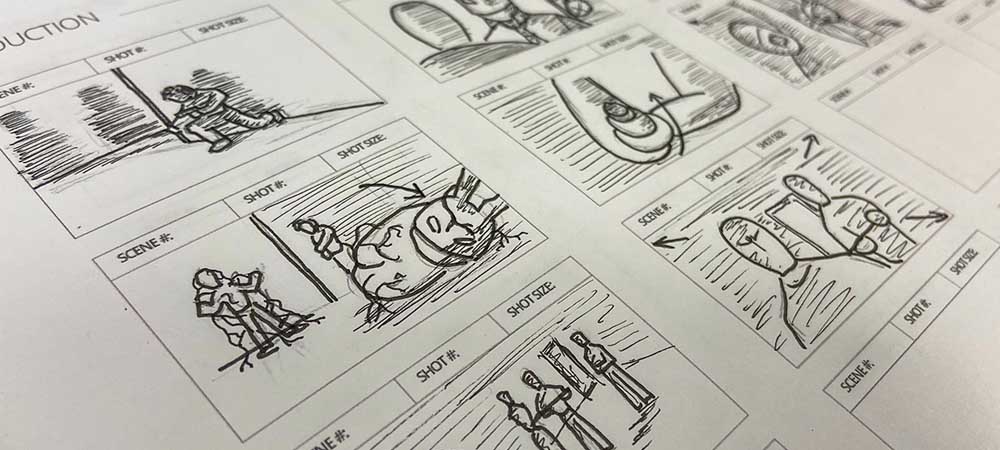
The Difference Between Screenplays for VFX Films and Regular Films
A screenplay written for a film that relies heavily on visual effects (VFX) often differs in both structure and detail from a traditional one. In these projects, the writer must craft the story while keeping technical and visual requirements in mind. Here are some key characteristics that make VFX-oriented scripts unique:
1. Detailed Descriptions for VFX Shots:
Unlike regular scripts that may describe events in a general way, VFX screenplays often include specific descriptions of shots that require visual effects. These details might indicate what kind of effect is needed and how it should appear on screen.
For example: “A massive alien creature emerges in the sky, glowing with strange lights as its thunderous roar echoes across the city.”
Such a description signals to the VFX team that digital creature design, lighting, and atmospheric effects will play a major role in the scene.
2. Awareness of Technical and Budget Limitations:
A VFX screenwriter must consider the production’s technological capabilities and budget. Some scenes may demand specialized tools or high costs to create. In these cases, the writer may adjust or simplify certain shots to align with what’s feasible for the production.
3. Anticipating Physical–Digital Interactions:
Blending live-action with digital elements is a core challenge in VFX films. The script should indicate how real actors or props interact with CGI creatures, objects, or environments.
For example, when a human character stands next to a digital creature, the writer might specify how that creature moves or reacts to the human’s presence.
4. Integration of Cinematography and Visual Storytelling:
VFX scripts often reflect a stronger awareness of cinematography. The writer might note specific camera movements or angles that help visualize complex effects.
For instance: “The camera circles upward as the digital wings unfold, catching the reflection of city lights below.”
Such direction helps the VFX and cinematography teams plan seamless integration between the practical and digital worlds.
5. Story and Visual Effects Working Together:
In a strong VFX screenplay, visual effects are not just technical additions they serve the story. The writer ensures that every effect contributes to emotional or narrative impact, rather than existing only for spectacle. This harmony helps maintain immersion and narrative flow.
6. Specialized Structure and Timing:
Timing is crucial in VFX-heavy scripts. Complex sequences may require precise timing to coordinate camera moves, lighting, or transitions. The screenplay might include frame or timing cues to help align the workflow between departments.
Conclusion:
A screenplay designed for a VFX-driven film must balance storytelling and technical planning. It anticipates visual requirements, guides creative departments, and ensures the film’s visual and emotional rhythm stay in sync. While traditional scripts focus primarily on plot and dialogue, VFX scripts act as blueprints that bridge story, art, and technology helping the production run smoothly from concept to final render.
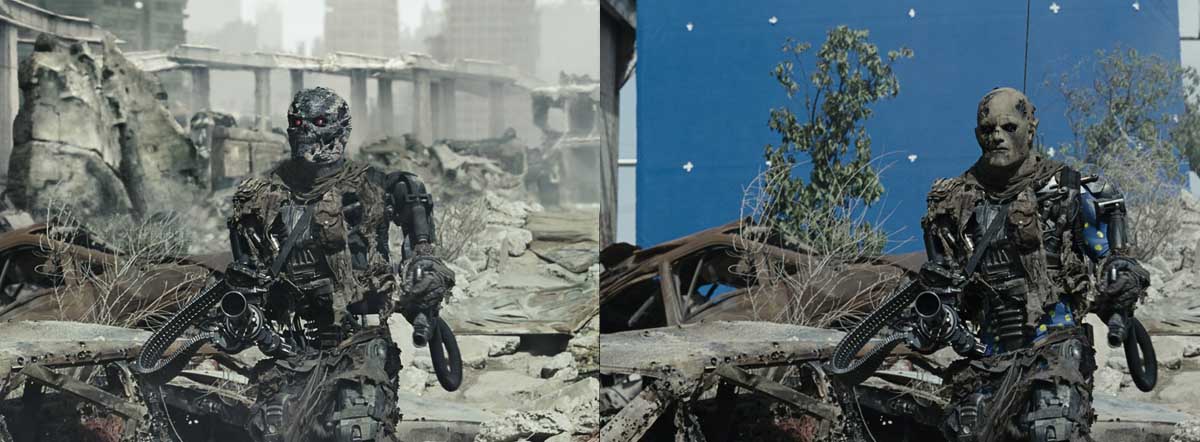
The Importance and Role of Designing, Managing, and Editing VFX Shots in Film Production
The design, management, and editing of VFX shots play a vital role in modern film production. These stages not only determine the final quality of a movie but also influence its storytelling, audience experience, and even its commercial success. Below, we’ll explore why each of these steps is essential.
1. Designing VFX Shots
Designing VFX shots is where the foundation of all visual effects work is laid. At this stage, designers, artists, and supervisors decide which effects will be used and how they will integrate with the rest of the film.
Creativity and Vision:
Early VFX design sets the creative tone for the film, helping to build new worlds and expand visual imagination. Whether it’s bringing fantastical creatures to life, crafting large-scale explosions, or constructing virtual environments, strong design elevates both storytelling and visual impact.
Story Integration:
Every VFX shot should serve the story. The design must align with the narrative flow, reinforcing emotional beats and character development instead of distracting from them.
Cinematography Alignment:
VFX design must also work hand-in-hand with cinematography and lighting. When properly planned, visual effects blend naturally with live-action footage, making the overall film feel cohesive and believable.
2. Managing VFX Shots
Managing VFX shots involves coordinating, supervising, and organizing all stages of the visual effects pipeline. Because VFX shots can be technically complex and time-consuming, effective management is crucial.
Quality Control:
The management team ensures that each VFX shot meets the required visual and technical standards. Continuous oversight from modeling and compositing to the final render guarantees consistency and quality across all shots.
Time and Budget Management:
Since VFX production often consumes significant time and resources, precise scheduling and budgeting are essential. Good management helps avoid delays, overspending, and production bottlenecks.
Team Coordination:
VFX work is frequently distributed across multiple studios and countries. Clear communication and coordination among teams are critical to maintaining a unified visual language and workflow.
3. Editing VFX Shots
Editing VFX shots is the final stage where completed visual effects are seamlessly integrated with the rest of the film. It’s where the artistic and technical elements come together to create a cohesive cinematic experience.
Final Integration:
VFX shots must blend naturally with live-action footage, performances, sound, and music. The VFX editor ensures that transitions are smooth, the visual tone is consistent, and no element feels disconnected from the story.
Director’s Vision:
The editing of VFX must always reflect the director’s creative intent. Sometimes, effects need to be highlighted dramatically; other times, they should remain subtle and supportive of the narrative.
Review and Refinement:
Editors and supervisors constantly review shots throughout post-production to catch inconsistencies and make necessary adjustments. This ongoing process ensures that the final film feels polished, immersive, and emotionally engaging.
Summary
The design, management, and editing of VFX shots form the backbone of any modern cinematic production. When these stages work in harmony, they do far more than create spectacle they enhance storytelling, elevate emotion, and deliver a seamless experience to the audience. In today’s film industry, mastering these processes is not just a technical requirement but an essential art form that bridges creativity and technology.
The Importance of Integrating VFX Design, Management, and Editing in Film Production
The seamless integration of VFX design, management, and editing plays a crucial role in shaping the overall impact of a film. When these stages work together effectively, they enhance storytelling, elevate visual artistry, and enrich the viewer’s cinematic experience.
Enhancing the Audience Experience
Thoughtfully designed and well-edited VFX shots allow filmmakers to transport audiences into worlds that go beyond the limits of reality. Through visual effects, filmmakers can depict events, environments, and emotions that would otherwise be impossible to capture. This not only expands the creative boundaries of storytelling but also creates a more immersive and memorable viewing experience.
Boosting Visual and Artistic Appeal
In modern cinema, VFX has become a cornerstone of visual and artistic expression. Films that feature carefully designed and edited effects often stand out for their aesthetic power and innovation. When executed skillfully, VFX enhances the beauty, tone, and atmosphere of a film, captivating audiences through striking visuals and refined craftsmanship.
Supporting Storytelling
VFX is most powerful when it serves the story. Well-conceived and properly edited effects amplify the emotions of characters, build tension, and help define the rules of imaginary or futuristic worlds. Instead of distracting the viewer, effective VFX supports the narrative flow making abstract ideas and dramatic moments more tangible and emotionally resonant.
Efficiency and Production Value
Proper planning, management, and editing of VFX shots can also lead to significant savings in time and cost. Mismanagement, on the other hand, can result in major production delays and budget overruns. When handled strategically, VFX production becomes not only a creative asset but also an efficient, streamlined process that contributes to the overall success of the project.
Summary
Designing, managing, and editing VFX shots are among the most critical components of modern filmmaking. Together, they determine the quality, realism, and emotional depth of the final product. By blending technology with artistic vision, filmmakers use these processes to build immersive worlds, visualize the impossible, and engage audiences in ways that redefine cinematic storytelling.
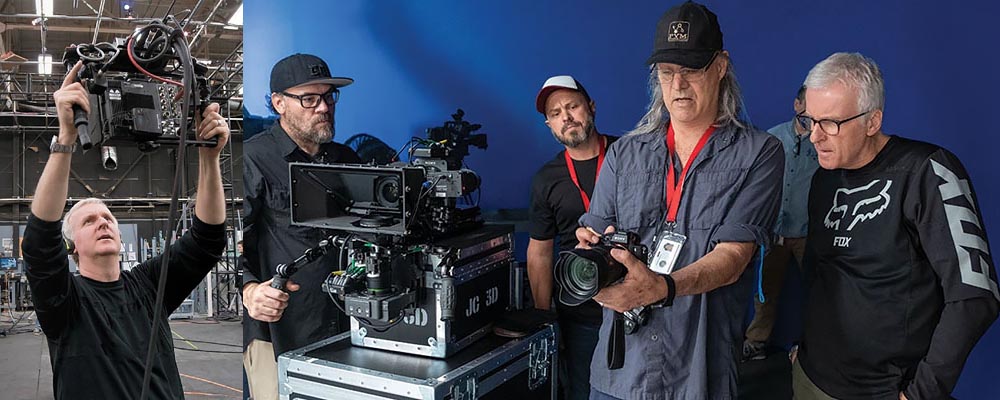
The Emergence and Evolution of VFX Shot Design, Management, and Editing
The processes of designing, managing, and editing VFX shots now essential components of modern filmmaking are the result of decades of evolution in both cinema and digital technology. These methods were not invented by a single person or group but gradually developed as filmmaking techniques and visual effects technology advanced. Over time, the creative and technical integration of VFX became a structured and highly specialized field within the film industry.
1. Early Pioneers of Visual Effects
In the early years of cinema, visual effects were entirely practical, relying on mechanical tricks and camera manipulation. During the early 20th century, pioneers like Georges Méliès experimented with techniques such as film reversal, stop motion, and multiple exposures to create fantastical and otherworldly imagery. These early innovations laid the groundwork for the concept of visual illusion in storytelling, serving as the foundation for the VFX industry that would later emerge.
2. The Digital Revolution in VFX
The 1970s and 1980s marked a turning point in the evolution of visual effects. The advent of computer graphics (CGI) brought about a new era in cinematic visualization. Innovators like John Dykstra, who worked on Star Wars and Starship Troopers, introduced groundbreaking digital effects that transformed how movies were made.
Studios such as Industrial Light & Magic (ILM), founded by George Lucas, played a monumental role in developing digital pipelines and workflows for VFX production ushering in a new level of precision, creativity, and scalability. This period also saw the early stages of managing and organizing VFX shots systematically, paving the way for structured project management in visual effects.
3. The Formation of VFX Design, Management, and Editing Workflows
As filmmaking projects became more ambitious, the need for organized VFX workflows grew. By the 1990s and beyond, VFX shot design, management, and editing had evolved into distinct disciplines, requiring specialized skills and collaborative teamwork.
Modern VFX pipelines now depend on powerful software tools such as Autodesk Maya, Houdini, Nuke, and Adobe After Effects, which allow artists to model, simulate, composite, and edit complex visual sequences. These programs transformed the creative process, enabling artists to design intricate digital worlds and seamlessly blend them with live-action footage.
The management of VFX shots became a technical discipline of its own, involving VFX supervisors, producers, pipeline engineers, and compositing artists all working together to maintain consistency, efficiency, and creative integrity across hundreds or even thousands of shots in a single film.
4. The Modern Era of Collaborative VFX Production
Today, VFX production is a highly collaborative process. It involves multiple teams across different studios and countries, each responsible for specific aspects of design, execution, and post-production. VFX managers oversee scheduling, budgets, and quality control, while artists and compositors bring creative vision to life. This complex ecosystem reflects decades of innovation and teamwork across both artistic and technical domains.
Conclusion
The design, management, and editing of VFX shots are not the result of a single invention but the culmination of continuous progress in cinematic techniques and digital technology. These processes evolved through the combined efforts of filmmakers, artists, and engineers striving to push the boundaries of visual storytelling.
Today, they represent an intricate blend of creativity, coordination, and technological mastery fundamental to the visual identity of contemporary cinema.

Definition and Nature of VFX Shots
VFX shots refer to the visual effects sequences in films or video productions that utilize digital technologies to create or alter imagery. These effects may be entirely computer-generated or integrated seamlessly with live-action footage. In essence, any shot that includes digital visual effects is considered a VFX shot.
Characteristics and Types of VFX Shots
VFX shots can vary widely in style and purpose, appearing at different stages of film production. They are typically added during post-production, once the principal photography has been completed. Some of the most common types of VFX shots include:
-
Compositing Shots: These involve layering and blending multiple visual elements such as live-action footage and digital effects into a single cohesive image. For instance, a digital explosion might be composited into the background of a real filmed scene.
-
3D Shots: These feature three-dimensional models or environments created with software such as Maya, 3ds Max, or Blender. A common example is a digitally built futuristic city or battlefield seen in sci-fi and action films.
-
Simulation Shots: These shots simulate dynamic effects like water, fire, smoke, or explosions. Tools such as Houdini or RealFlow are often used to generate these realistic simulations.
-
Rotoscoping Shots: In these shots, characters or objects are isolated from their original background so they can be replaced or enhanced with digital elements. This process often involves frame-by-frame tracing and compositing.
-
Camera Tracking Shots: Here, the motion of the live-action camera is replicated digitally to ensure VFX elements align perfectly with the filmed footage. This technique allows 3D assets and simulations to blend naturally into real-world camera movement.
-
Match-Moving Shots: In these, both the camera movement and digital elements are precisely synchronized with the actors’ performances, enabling realistic interaction between live performers and computer-generated creatures or objects.
VFX Shot Design as a Precursor to VFX Shot Management
In the production pipeline of visual effects (VFX), VFX shot design typically precedes VFX shot management. While these two stages are closely related, they serve different purposes and require distinct skill sets. The following sections explain their relationship and key differences.
1. VFX Shot Design
VFX shot design usually takes place during the pre-production or early production phase. This stage focuses on determining how visual effects will appear on screen and how they will be created. Its main goal is to establish the artistic and technical blueprint for the VFX, ensuring that later stages can follow a clear plan.
Key responsibilities in VFX shot design include:
-
Developing creative concepts and artistic direction for each effect.
-
Producing visual references, sketches, renders, or concept art for planned VFX shots.
-
Outlining how digital elements will integrate with live-action footage.
-
Collaborating closely with the director to align the visual design with the story’s tone and vision.
Conclusion:
VFX shot design is primarily an artistic and creative process. It defines the visual language and conceptual foundation of the effects, enabling the technical team to execute them efficiently later. This may involve anything from rough visualizations to early-stage simulations or animations.
2. VFX Shot Management
VFX shot management deals with tracking, organizing, and supervising all VFX shots during production and post-production. This process ensures that every shot is completed on time, within budget, and at the expected quality level. It’s a logistical and operational counterpart to the creative design phase.
Key responsibilities in VFX shot management include:
-
Overseeing production workflows, schedules, and quality control.
-
Tracking the progress of VFX shots and reporting to the director, production team, and VFX supervisor.
-
Coordinating multiple departments such as simulation, modeling, and compositing to maintain consistency.
-
Managing the human and financial resources required for timely delivery.
-
Troubleshooting technical and production-related challenges as they arise.
Conclusion:
VFX shot management is more administrative and production-focused. It ensures that the creative vision established during the design phase is executed systematically, keeping all departments aligned and on schedule.
Summary
VFX shot design serves as the creative and preparatory stage that defines the artistic direction and visual requirements for the effects. VFX shot management follows, ensuring that all designed shots are produced efficiently and meet the project’s goals. Together, these two stages form a cohesive process that allows filmmakers to bring complex visual worlds to life while maintaining both artistic integrity and production discipline.
| Aspect | VFX Shot Design | VFX Shot Management |
|---|---|---|
| Purpose | Focuses on artistic ideation and early visual planning. | Focuses on operational execution and production oversight. |
| Timing | Conducted during pre-production or early production. | Takes place during production and post-production. |
| Focus | Emphasizes creativity, visual style, and artistic direction. | Emphasizes scheduling, resource allocation, and quality control. |
| Main Roles | VFX Supervisor, Art Director, VFX Designer. | VFX Producer, VFX Coordinator. |
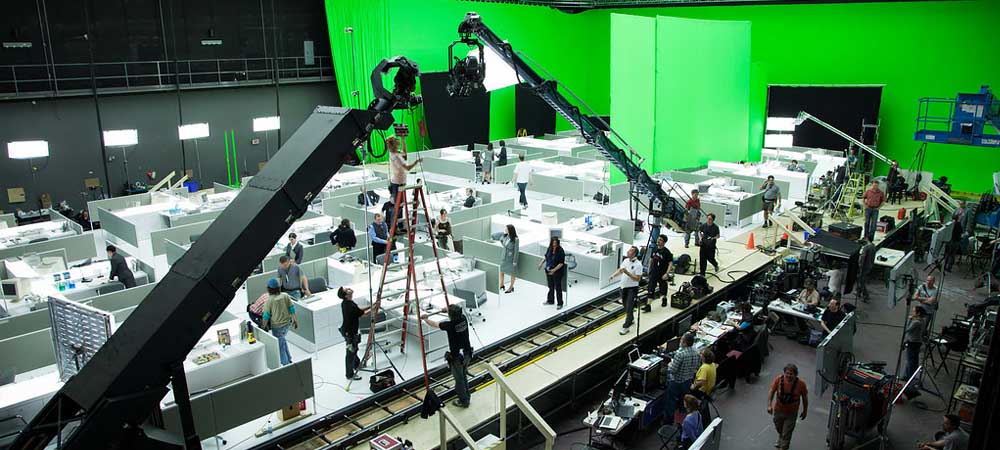
VFX Shot Editing Comes After Design and Management
VFX shot editing generally follows the design and management phases. It is part of the post-production pipeline that takes place once visual effects have been created and the individual shots are prepared for final integration into the film. The main stages and where editing fits are as follows:
1. VFX Shot Design (Pre-production)
In pre-production the VFX Supervisor, Art Director, and VFX Designer define how visual effects will be added to each shot. This stage covers concept work, defining the visual style, modeling and simulation planning, and producing reference imagery that guides the later VFX work.
2. VFX Shot Management (Production & Post-production)
During production and throughout post, VFX producers and coordinators oversee and coordinate the creation of VFX shots. This includes managing schedules, allocating resources, and maintaining quality. Multiple teams—modelers, simulators, compositors, and others—often work in parallel on different shots.
3. VFX Shot Editing (Post-production)
VFX shot editing is the final process of integrating completed effects with the original live-action footage. Compositors digitally combine VFX layers with practical elements, performing color corrections, lighting adjustments, and multi-layer compositing (for example, 3D models, digital backgrounds, and on-set footage) to ensure visual cohesion. Once each shot is finished, it is handed over to the picture editor to be placed into the film’s edit.
More Details on VFX Shot Editing
VFX shot editing depends on close collaboration between the editorial team and the VFX supervisor to ensure that effects align with the film’s visual language and narrative flow. At this stage every VFX shot is visually finalized and adjusted so it reads naturally alongside other scenes in the finished film. If changes are required such as tweaking an effect’s intensity, color balance, or light levels those adjustments are typically made during final editing and compositing.
The Editor’s Role with VFX Shots
The picture editor, who controls the film’s cutting and pacing, is responsible for placing VFX shots appropriately within the movie’s overall structure. Editors check that effects land at the right narrative beats and match the film’s rhythm. In many cases editors work closely with the VFX supervisor to refine specific shots that require effects, ensuring those shots integrate smoothly and unobtrusively into the final sequence.
VFX Shot Design
VFX Shot Design refers to the stage in film, animation, or media production where visual effects shots are carefully planned and structured. This phase usually occurs at the beginning of production and its main goal is to create a clear and detailed vision of how each VFX shot will be executed. Through this, different departments including VFX, cinematography, art, and editing can coordinate effectively and maintain consistency throughout production.
Purpose and Importance of VFX Shot Design
1. Establishing a Unified Vision:
During the design phase, the director, VFX supervisor, art department, and cinematography team collaborate to create a shared understanding of how each shot will look and function. This shared vision helps align all departments so that execution is smooth and cohesive.
2. Defining and Planning the Effects:
Each shot requiring VFX must be clearly defined in terms of its visual needs such as simulations (fire, smoke, explosions), creation of digital creatures, environmental changes, or other special effects. The VFX team must understand exactly what digital and physical alterations are needed and how those will integrate with the live-action footage.
3. Determining Camera Movement and Object Placement:
Shot design also involves defining camera movement, angle, and the position of objects and actors within the frame. This helps VFX artists plan accurate 3D simulations and camera tracking, ensuring that digital elements move naturally within the shot.
4. Planning Timing and Effect Duration:
Every visual effect within a shot must be precisely timed so it aligns with other elements in the scene. The design phase outlines when each effect should start and end, and how it fits within the shot’s narrative flow.
5. Creating Previsualization and Animatics:
In some cases, the design team creates rough previews or animatics simplified versions of the shots with basic motion and effects to visualize how the final VFX will appear. This allows potential issues to be identified and corrected before full production begins.
Summary
The goal of VFX Shot Design is to create a detailed roadmap for executing visual effects. By planning all creative and technical aspects in advance, teams can follow a consistent plan during production, ensuring that the final output is coherent, visually compelling, and of high quality. This stage is essential because it defines every detail from design and simulation to timing and interdepartmental coordination before any real VFX work begins.
Key Stages in VFX Shot Design
Concept Art:
At the beginning of the VFX design process, concept artists or VFX designers create visual concepts for different shots. These include previews of environments, how VFX elements will interact with live actors, and other creative details. Concept art helps all departments visualize what the final scene or sequence will look like, ensuring everyone shares the same creative direction.
Initial Sketches and Detail Exploration:
These early sketches dive deeper into the specific details of each shot for example, where smoke or fire should appear, or how the camera should move within the scene. Such sketches serve as a blueprint, providing a visual guide that defines the structure and composition of each shot before production begins.
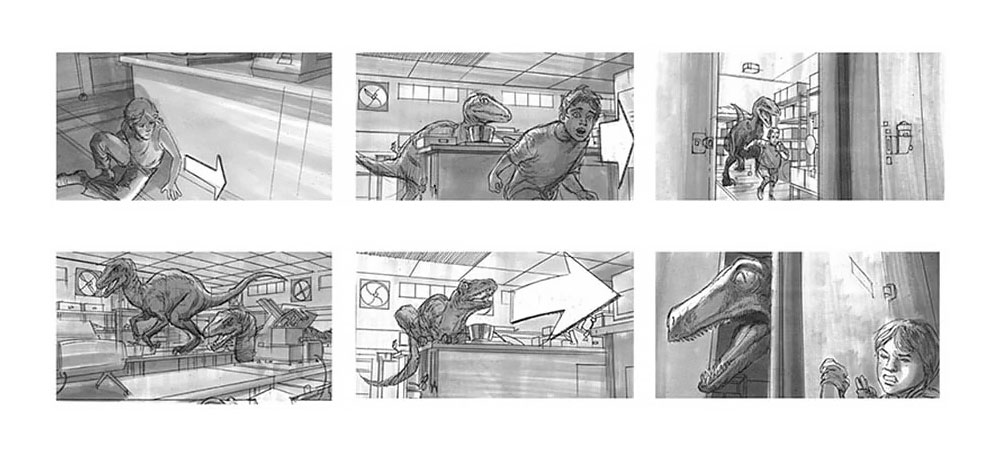
Detailed Description of Effects and Simulations
At this stage, the VFX team defines the specific effects required for each shot. These may include simulations such as water movement, digital creature creation, or environmental transformations. For every effect, the process, tools, and how it interacts with other departments must be clearly outlined to ensure seamless execution.
Camera Movement Planning and Interaction with VFX
A crucial part of shot design involves determining the camera movement where it starts, where it moves, and how it interacts with visual effects. This pre-planning ensures that live-action footage and digital elements align perfectly during compositing.
Preliminary Tests (Previs / Animatics)
Before full production begins, preliminary visualizations known as Previs (pre-visualization) or animatics are often created. These simplified animations or simulations show how objects and effects will move in each shot, helping teams identify potential issues early on.
Collaboration with Other Departments
VFX shot design is not limited to the VFX team alone. It requires close collaboration with the cinematography, directing, and art departments to ensure that every element of the film blends seamlessly together. This cooperation guarantees that the final visual experience remains cohesive and aligned with the director’s vision.
VFX Shot Management
In VFX Shot Management, the main goal is to coordinate and oversee all stages of visual effects production, ensuring each shot is completed on time, within budget, and to the highest quality standards. This process involves managing resources, schedules, costs, and interdepartmental communication. The key areas of focus include:
-
Planning and Scheduling
Time management is one of the most critical aspects. Each VFX shot must be completed according to the overall production timeline. Specific deadlines are set for different stages such as simulation, rendering, and compositing to keep the project on track. -
Resource Management
This involves allocating human and technical resources including simulation artists, modelers, compositors, and access to software and hardware tools. Ensuring each team has what it needs prevents production bottlenecks and inefficiencies. -
Budget and Cost Control
Monitoring production costs for each shot is essential, especially in large-scale projects where VFX can be a major expense. Budgeting must cover modeling, simulation, rendering, and compositing, while keeping spending within approved limits. -
Risk Management
Identifying potential technical or artistic risks, such as simulation errors or rendering failures, helps avoid costly delays. Backup plans and alternative workflows are developed to address issues as they arise. -
Communication and Coordination
Effective communication among directors, VFX supervisors, designers, and editors ensures all creative and technical goals are aligned. Regular progress updates and clear documentation keep the production pipeline organized and transparent. -
Quality Control
Each VFX shot undergoes detailed review to ensure it meets artistic and technical standards checking lighting, shadows, integration with live-action footage, and overall visual consistency. This ensures the final shots enhance the storytelling rather than distract from it.
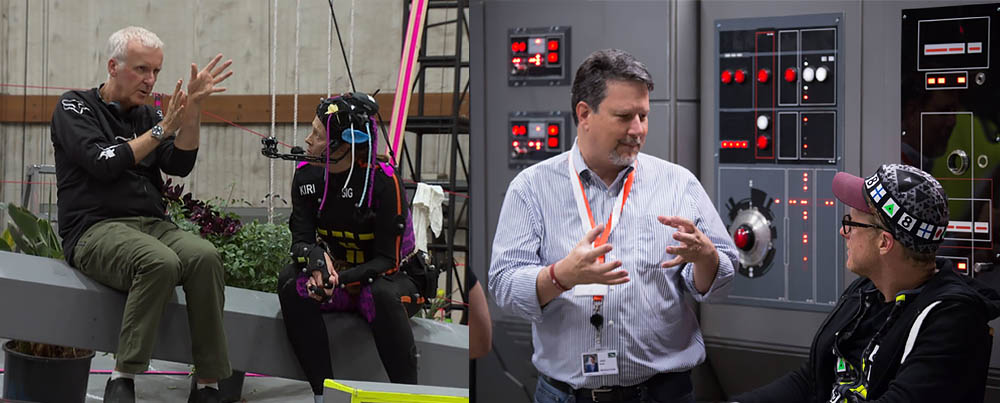
Supervision and Review Process
Monitoring the review and revision stages for each shot is an essential part of VFX shot management. Necessary adjustments are made based on feedback from the director or VFX supervisor. This ensures that all shots meet artistic and technical expectations before being finalized.
7. Documentation
Every step of the process — including decisions, changes, and progress updates must be properly documented. This allows for clear tracking, evaluation, and reference in future stages. Accurate documentation also ensures that all modifications made to the shots are recorded and can be reviewed when needed.
The main goal of VFX Shot Management is to ensure the entire visual effects production process runs efficiently, cohesively, and within the planned budget and timeline. This management system helps large and complex projects maintain quality and consistency across all VFX shots, minimizing production risks and ensuring smooth collaboration among all departments.
VFX Shot Production Process
1. Planning and Design
In this stage, the VFX team collaborates closely with the director and cinematography department to define the visual effects required for each shot. The process includes choosing the type of VFX, designing the environments, and creating early prototypes or concept tests.
2. Shooting
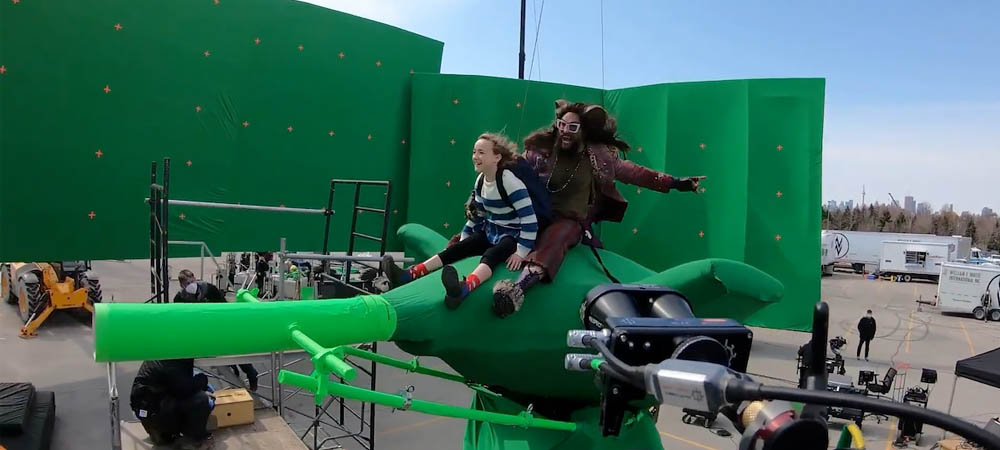
After planning, the live-action footage is filmed. In many cases, this involves techniques such as green screen shooting or precise camera motion tracking to make it easier to integrate VFX later during compositing.
3. Rendering and Compositing
Once the live-action shots are captured, they move into rendering and compositing. At this stage, digital effects are integrated into the footage including 3D elements, color grading, lighting adjustments, and physical simulations. The goal is to blend real and digital elements seamlessly.
4. Review and Revisions
After the initial render, shots undergo review by the director and editing teams. Feedback may include color corrections, lighting adjustments, or the addition of fine details. These revisions ensure that the visual tone and quality remain consistent throughout the film.
5. Final Delivery
When all adjustments are complete, the finalized VFX shots are delivered for integration into the master edit of the film. These final shots are rendered in full resolution and prepared for color grading, sound design, and post-production finishing.
The Importance of VFX Shots in Films
VFX shots play a crucial role in modern filmmaking, particularly in genres such as science fiction, fantasy, action, and animation. They allow filmmakers to create worlds, creatures, and visual experiences that would be impossible or impractical to achieve in reality. As a result, visual effects have become an integral part of contemporary cinema, driving both artistic storytelling and technical innovation.
Summary
VFX shots refer to any shots in which digital technology is used to create or alter imagery for cinematic use. These may include 3D shots, compositing work, physical simulations, or other forms of digital enhancement added to the film. The effective design, management, and editing of VFX shots ensure that the final product delivers a cohesive and visually stunning experience for the audience.
What Makes VFX Shots Visually Appealing and Popular
VFX (Visual Effects) shots can gain recognition and popularity for a variety of reasons from technical excellence to artistic innovation and emotional resonance. The most memorable VFX shots are those that not only impress audiences visually but also serve the story and evoke genuine emotions. Below are some of the key factors that contribute to the appeal and success of VFX shots:
1. Visual Quality and Realism
Unmatched Realism: The closer a VFX shot resembles real-world visuals, the more immersive and convincing it becomes. Attention to details such as lighting, shadows, textures, reflections, and motion dynamics gives the shot a lifelike quality.
Connection to the Real World: The more naturally visual effects blend into real environments, the stronger their impact. For example, integrating a fantastical creature seamlessly into a live-action setting or simulating realistic water dynamics, explosions, or environmental changes can make the audience believe what they see.
Key Elements That Make VFX Shots Engaging and Memorable
VFX (Visual Effects) shots can captivate audiences when they combine technical mastery with creativity and emotional depth. The most iconic VFX shots go beyond mere spectacle they innovate, evoke emotions, and serve the story. Below are the main factors that contribute to their appeal:
2. Innovation and Creativity
Fresh and Unexpected Ideas: VFX shots that introduce new concepts or push creative boundaries tend to stand out. Using cutting-edge techniques in simulation, animation, or compositing can leave a strong impression.
Digital Characterization: Fully digital characters that are skillfully designed and animated can emotionally connect with audiences, creating lasting impact.
3. Manipulation of Time and Space
Dynamic Timing: Techniques like slow motion or time-lapse can make scenes more dramatic and visually engaging.
Spatial Flexibility: VFX allows filmmakers to bend or transform space from vast, breathtaking environments to surreal scene transitions offering viewers a sense of wonder.
4. Emotion and Cinematic Impact
Emotional Resonance: VFX shots that elicit strong emotions fear, joy, sadness, or awe are often the most memorable. When human emotions are blended artistically with digital environments, the result feels alive.
Sound and Music Integration: Well-designed sound effects and cinematic scores amplify the emotional power of VFX shots, enhancing their overall memorability.
5. Technical Structure and Complexity
Combination of Multiple Techniques: Shots that merge various VFX methods (CGI, particle simulations, complex rendering, etc.) often gain recognition for their technical excellence.
Attention to Detail: Small touches such as natural object motion, accurate shadows, and realistic lighting transitions can dramatically enhance visual credibility.
6. Grand Scale and Visual Magnitude
Epic Scale: Large-scale VFX shots — like massive fantasy battles or vast futuristic landscapes tend to attract attention for their sheer visual impact.
World-Building: Creating unique imaginary worlds, whether in sci-fi or fantasy genres, immerses audiences in entirely new realms and makes the visuals unforgettable.
7. Story Integration and Character Connection
Narrative Alignment: The most powerful VFX shots seamlessly support the story and characters, rather than existing purely for visual display.
Digital Character Development: Complex digital beings that reflect human traits and emotions can create profound connections with viewers.
8. Sense of Suspense and Wonder
Surprise and Shock Moments: VFX-driven scenes that deliver surprises massive explosions, awe-inspiring transformations, or the sudden appearance of colossal creatures can generate intense audience reactions and leave a lasting mark.
Conclusion
The most successful and memorable VFX shots are those that blend innovation, realism, creativity, and emotional depth. They not only demonstrate technical mastery but also strengthen storytelling and emotional engagement. Ultimately, great VFX shots provide experiences that transcend reality, leaving audiences inspired and amazed.
People Responsible for Designing VFX Shots and Scenes
The design of VFX shots and scenes is usually a collaborative process involving several departments during film production. However, the primary responsibility lies with the VFX Supervisor. Depending on the scale and nature of the project, other key professionals also contribute to this process. Below is an overview of the main roles and their responsibilities:
1. VFX Supervisor
The VFX Supervisor is the lead authority responsible for the design, planning, and execution of all visual effects shots and sequences. They work closely with the director, assistant directors, and the production team to ensure that the VFX elements are accurately designed and seamlessly integrated into the film.
Main Responsibilities:
-
Designing and planning VFX shots in collaboration with the director.
-
Selecting the best technical approaches for implementing effects (e.g., 3D modeling, physics simulation, rendering, etc.).
-
Overseeing quality control and ensuring that the VFX integrate naturally with other departments such as cinematography, sound, and production design.
2. VFX Art Director
The VFX Art Director is in charge of the artistic design and visual style of the effects. They ensure that the look and feel of the VFX align with the overall aesthetic vision of the film and collaborate closely with the VFX Supervisor.
Main Responsibilities:
-
Defining the artistic and stylistic direction of the visual effects.
-
Designing the appearance of digital creatures, environments, and animations.
-
Working closely with production designers and graphic artists to ensure that the VFX blend naturally with the film’s physical sets and lighting.
3. VFX Designer
The VFX Designer is responsible for conceptualizing and creating the initial design ideas for the visual effects. They often work with the director and the VFX Supervisor to visualize how the effects will function within the story.
Main Responsibilities:
-
Creating early concept art, sketches, and reference images for VFX sequences.
-
Helping define the visual style and the storytelling purpose of each effect.
-
Designing preliminary breakdowns of how each shot will be executed technically and artistically.
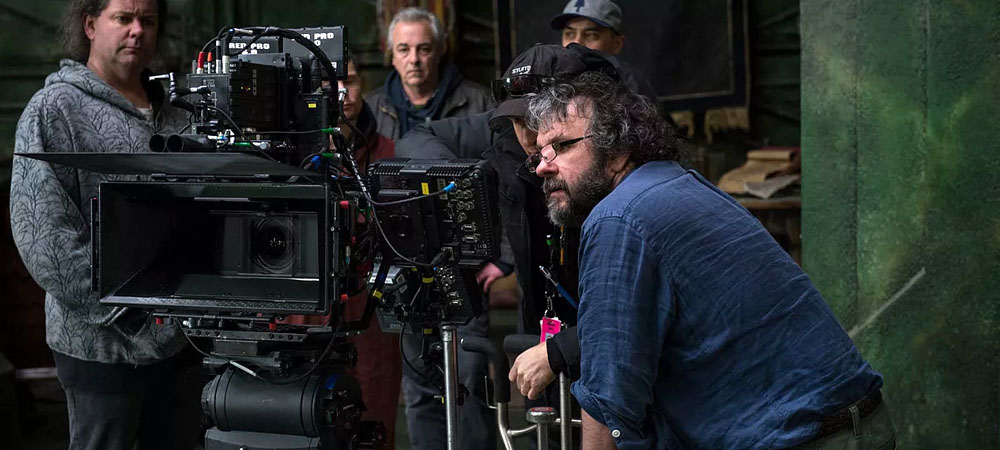
Responsibilities in Designing and Producing VFX Shots and Scenes
VFX Designer
Main Responsibilities:
-
Creating sketches, renders, and reference images for visual effects concepts.
-
Assisting in the development of early digital designs and simulations.
-
Considering camera placement, lighting, and color schemes when designing VFX elements.
3D Artist
For shots that require 3D models, the 3D Artist is responsible for creating digital models, environments, and creatures that will appear in the film.
Main Responsibilities:
-
Modeling characters, props, and environments in 3D.
-
Animating characters and objects to achieve natural movement.
-
Applying textures, materials, and shaders to enhance realism.
Compositor
The Compositor is responsible for blending VFX elements with live-action footage. This process involves integrating digital assets such as 3D models, simulations, and digital backgrounds into filmed scenes to create a seamless and realistic final image.
Main Responsibilities:
-
Combining multiple layers of visual elements (live-action and digital).
-
Adjusting color and lighting to ensure the VFX match the original footage.
-
Ensuring that all digital effects integrate naturally with the live-action environment.
VFX Producer
The VFX Producer manages the overall schedule, budget, and resources of a visual effects project. They coordinate between creative and technical teams to ensure the VFX production runs smoothly.
Main Responsibilities:
-
Managing financial and human resources for the VFX team.
-
Overseeing production timelines and ensuring all shots are delivered on schedule.
-
Acting as a liaison between the director, production managers, and VFX departments to maintain workflow efficiency.
Conclusion
The design and execution of VFX shots are typically handled by multiple teams, each with distinct responsibilities. The VFX Supervisor plays the central role in planning and overseeing the process, working closely with VFX Designers, VFX Art Directors, and 3D Artists to ensure every shot is visually compelling and technically sound. Compositors finalize the shots by integrating the effects with real footage, while the VFX Producer ensures that the entire production stays on time and within budget.
VFX Shot Management and Responsible Roles
VFX shot management refers to the set of processes, coordination, and supervision involved in planning, tracking, and controlling the production of VFX shots throughout the different stages of filmmaking. This process includes defining objectives, allocating resources, scheduling, and maintaining communication between various teams (such as the VFX department, director, editor, and production manager) to ensure that all VFX shots are delivered on time and at the desired quality level.
In general, VFX shot management is a collaborative effort rather than the responsibility of a single person. Each team member handles a specific aspect of the process, working together to maintain consistency, meet deadlines, and ensure the delivery of high-quality visual effects.
Key Responsibilities in VFX Shot Management
1. Planning and Resource Allocation
The VFX Supervisor or Project Manager is responsible for the overall planning of the VFX project. This includes allocating resources (personnel, time, and equipment) to different VFX teams and setting up a production timeline for each shot. For instance, if a scene involves complex simulations or 3D animations, the manager ensures that adequate time and resources are allocated for production.
2. Scheduling and Shot Tracking
Each VFX shot must follow a precise schedule and workflow. The VFX Supervisor or Project Manager monitors the progress of each shot to ensure everything proceeds according to plan. This includes tracking shot statuses (e.g., modeling, texturing, rendering) and coordinating with various departments to resolve delays or technical issues.
3. Interdepartmental Coordination
Since VFX shots often interact with multiple filmmaking departments—such as editing, sound design, and cinematography the VFX Supervisor ensures alignment and consistency across all stages. They make sure that the VFX shots match the overall tone, pacing, and visual style of the film. For example, adjustments may be required in VFX shots to align with changes made during editing or sound design.
4. Quality Control and Artistic Consistency
The VFX Supervisor must ensure that every shot meets the required quality standards and aligns with the director’s vision and the film’s aesthetic style. This involves reviewing finished shots, identifying technical or artistic issues, and ensuring proper compositing and integration with live-action footage.
5. Managing Revisions and Changes
During VFX production, frequent changes can occur due to updated creative directions or editing adjustments. The VFX Supervisor manages these revisions efficiently, ensuring that the team adapts quickly and delivers updated shots on time without disrupting the overall production flow.
6. Documentation and Reporting
The Project Manager or VFX Supervisor documents all progress, decisions, and revisions, preparing regular reports for the production manager and director. This includes updates on shot status, encountered issues, and proposed solutions to maintain smooth project execution.
Conclusion
Effective VFX shot management ensures that the entire process from initial planning to final delivery runs efficiently and cohesively. Through strong coordination between creative and technical teams, VFX Supervisors and Producers maintain high production standards while keeping the project on schedule and within budget.
Managing VFX Shots
VFX Supervisor:
The VFX Supervisor is the key person responsible for overseeing all VFX shots during film production. Beyond technical supervision and ensuring the quality of the visual effects, they also collaborate closely with the director, editor, production manager, and other team members to coordinate and deliver the final shots.
Main responsibilities of a VFX Supervisor:
-
Designing and planning the different stages of the VFX production pipeline
-
Monitoring the progress of VFX shots and ensuring they align with the director’s vision
-
Coordinating and communicating with other departments (editing, sound, cinematography)
-
Solving technical and creative challenges during production
-
Managing various VFX teams (modelers, animators, render artists, etc.)
VFX Producer:
In larger productions, a VFX Producer works alongside the VFX Supervisor, focusing on the organization and logistical management of the VFX process. They are mainly responsible for scheduling, budgeting, and resource allocation, ensuring the project stays on track financially and timewise.
Main responsibilities of a VFX Producer:
-
Managing the project schedule and resources
-
Coordinating with the production manager to meet financial and timing needs
-
Monitoring the VFX budget and ensuring financial limits are respected
-
Tracking project progress and resolving operational issues
Summary:
Managing VFX shots involves planning, coordinating, and supervising the entire process of creating digital visual effects for a film or series. This task is primarily handled by the VFX Supervisor, who directs VFX teams, oversees shot progress, and ensures everything aligns with the director’s vision and the film’s overall style. Alongside them, the VFX Producer manages scheduling, resources, and the project’s budget.
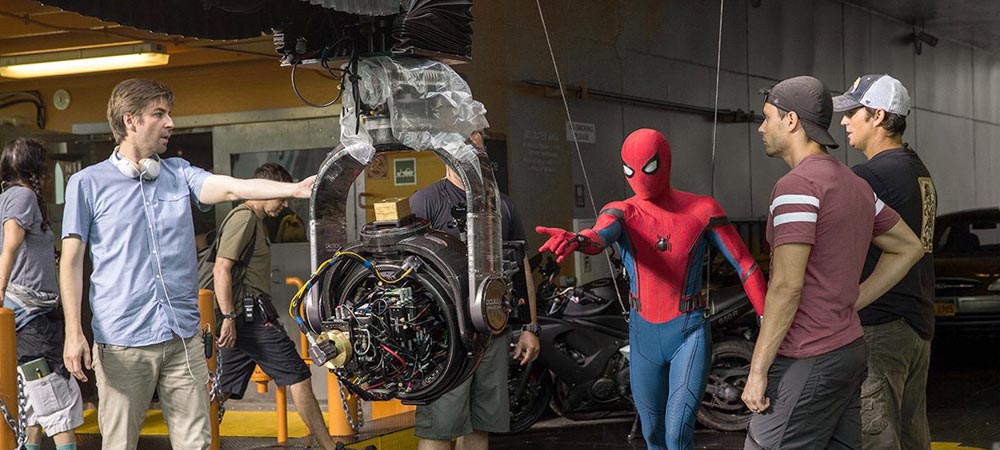
How VFX Shots Are Filmed
VFX shots are not usually filmed separately; instead, they’re based on footage captured during principal photography, and visual effects are added later in post-production. This means the VFX team receives raw footage from the live-action shoot and enhances it digitally according to the needs of the project.
1. Filming the Live-Action Shots
First, the production team captures the live-action scenes. These may include shots with little or no practical effects, such as explosions, object throws, or specific camera movements. The footage often features real environments, actors, and practical elements that will later interact with the digital effects.
2. Using the Footage for VFX Creation
Once the footage is shot, all data including images and camera motion data (known as camera tracking data) is sent to the VFX team. These details allow the artists to accurately align digital effects with the real-world elements in each shot.
3. Motion Tracking
To integrate digital objects or effects that move realistically with the camera or environment, the VFX team uses camera tracking. This process helps determine the exact movement and position of the camera during filming, allowing digital assets to be perfectly synchronized with live-action footage.
4. Creating the Digital Effects
Using specialized software such as Maya, Houdini, Nuke, or Blender, VFX artists build the digital components of each shot. This can include 3D models (like creatures or virtual sets), animations, physical simulations (such as fire, explosions, or water), or composited enhancements (like background replacements or object removals).
5. Compositing the Final Shot
Once the digital effects are created, the shots move to compositing software like Nuke. At this stage, all visual layers lighting, color, and detail are precisely blended together. The compositing team ensures that lighting, shadows, and tones match so the effects appear naturally integrated with the live footage.
6. Final Review and Adjustments
After compositing, VFX shots are delivered to the editing team for review. Further refinements may be made such as color correction, sound design, or dialogue adjustments to ensure seamless integration with the rest of the film.
Key Points:
-
Filming and VFX Are Usually Separate:
VFX shots are typically not filmed as separate sequences, except in specific cases like green screen shoots or high-contrast environments that require controlled lighting or digital sets. -
Using Original Footage:
Most VFX work is built upon real footage captured during production. The pre-production and shooting stages are often planned with VFX needs in mind for example, leaving space for digital backgrounds or collecting camera motion data for accurate 3D placement.
Conclusion:
In most film productions, VFX shots are created digitally during post-production. The base footage comes from live-action filming, and the VFX team enhances it by adding digital effects and seamlessly blending them with the rest of the film. Through careful planning, tracking, and compositing, the result is a visually coherent and believable final image.
The Importance of Properly Prepared Footage for VFX
If the filmed scenes lack the necessary conditions for adding visual effects (VFX), it can lead to major challenges during post-production especially when integrating digital elements seamlessly with live-action footage. Below, we’ll explore when this problem occurs and how it can be avoided or corrected.
1. Filming Specifically for VFX
Certain shots that require complex visual effects such as 3D graphics, physical simulations (explosions, debris, or injuries), or major background replacements must be filmed with VFX requirements in mind. Specialized filming techniques ensure that these effects can be properly integrated later. Common examples include:
-
Using a Green Screen:
This allows filmmakers to remove or replace the background with digital environments or elements created in post-production. -
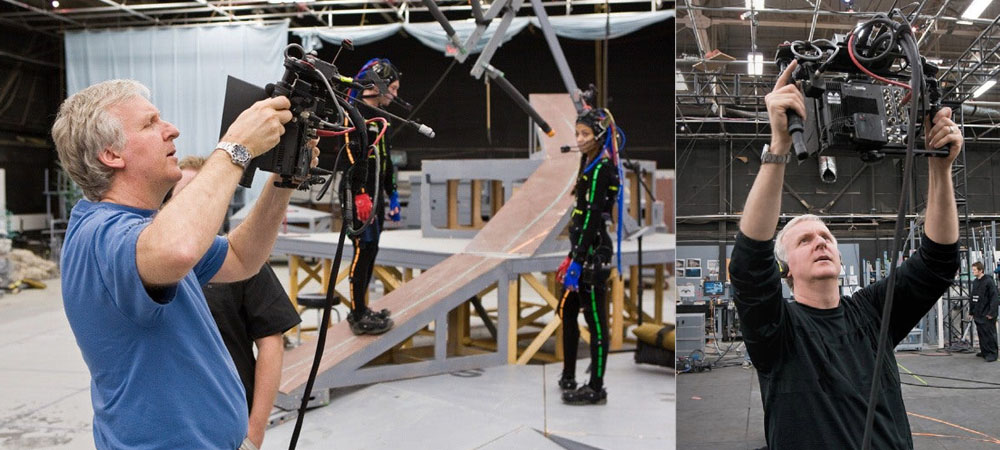
Motion Capture (MoCap):
For complex movements or when adding digital creatures or characters, the motion of actors or objects must be recorded precisely using motion capture systems. -
Controlled Camera Movement:
Shots that require accurate camera motion such as those interacting with 3D elements often rely on motion-controlled or tracked cameras. These ensure the virtual elements will match the real camera’s path exactly. -
Specialized Lighting Setups:
Proper lighting during shooting is essential to ensure that digital effects blend naturally with the live-action footage once composited.
2. What Happens When Footage Isn’t Suitable for VFX
If the footage does not meet the technical requirements for VFX such as missing green screens, tracking markers, or camera motion data the VFX team must compensate by generating or reconstructing the missing information. This can significantly increase production time and cost. Common solutions include:
a) Recreating Data Through Software and Simulation
When precise camera or tracking data is unavailable, the VFX team can simulate these using software tools. Programs like PFTrack or 3DEqualizer allow artists to reconstruct camera movement (a process known as motion or camera tracking) directly from the video footage, making it possible to align the VFX with the scene accurately.
b) Rebuilding or Correcting Footage in Post-Production
If the original footage lacks certain critical details for example, actors didn’t interact properly with effects, or the camera angle wasn’t ideal the VFX team may need to digitally rebuild parts of the scene. This can include recreating objects, enhancing performances, or adjusting the composition to make the VFX integration more believable.
In Summary:
High-quality, VFX-ready footage is essential for achieving professional results in post-production. Proper planning during filming through the use of green screens, motion tracking, controlled lighting, and precise camera data saves time and ensures the visual effects blend naturally with the live-action world. When these elements are missing, VFX artists must rely on complex reconstruction techniques, which often increase both workload and cost.
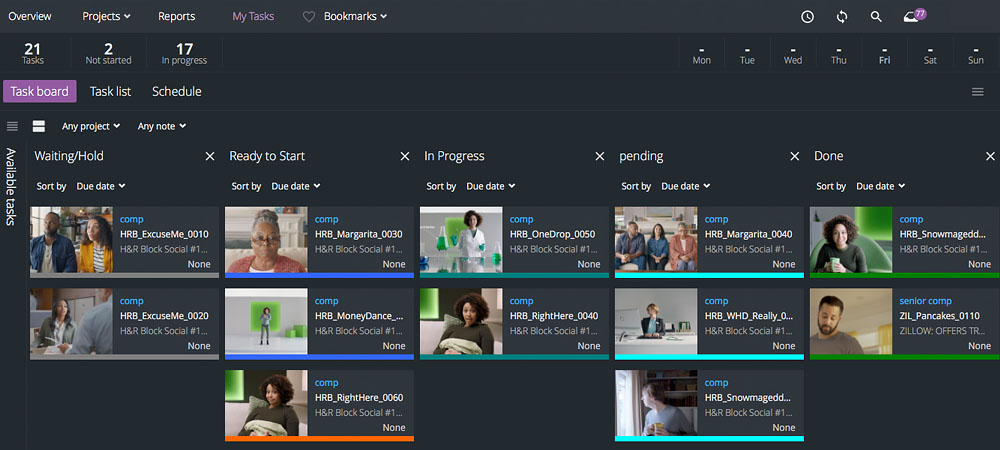
Examples and Solutions for VFX-Ready Footage
Rebuilding Backgrounds:
When a scene requires digital environments such as fantasy worlds or locations filled with computer-generated elements VFX artists often create these backgrounds from scratch and integrate them into the live-action footage.
Adjusting Lighting and Color:
Sometimes the lighting captured during filming doesn’t complement the visual effects properly. In such cases, the VFX team digitally adjusts lighting, shadows, and color balance to make the effects blend naturally with the live footage.
Additional Filming or Scene Reconstruction:
In more complex situations, when the original shots can’t easily support the planned VFX, extra filming may be required. These are known as pick-up shots, and they provide additional data or camera angles needed for effective VFX integration.
-
Reshooting for Camera Movement:
If the camera movement in the original footage wasn’t properly tracked or captured, the scene may need to be reshot using motion-controlled cameras to record precise camera motion data.
Capturing Reference Images from Real Environments:
When the available footage lacks enough detail, the VFX team may take reference photos of real-world environments or textures. These references help artists recreate realistic digital versions of physical spaces, objects, or lighting conditions.
3. How the VFX Team Solves These Problems
Using Advanced Technology:
Modern VFX teams rely on powerful software and motion-tracking systems to analyze footage and reconstruct missing data. These technologies allow them to digitally rebuild or enhance shots that weren’t originally designed for VFX.
Collaboration with the Director and Editor:
Directors and editors play a crucial role in this process. By providing creative input or suggesting structural changes such as alternate cuts, new camera angles, or additional footage they help the VFX team find practical solutions for challenging shots.
Conclusion
In many productions, the filmed footage doesn’t fully meet the technical or visual requirements for advanced VFX work. To overcome this, VFX teams use a combination of digital tools, simulations, and additional shoots. These solutions ranging from camera motion reconstruction and background rebuilding to lighting adjustments and new footage allow visual effects to blend naturally with live-action scenes.
Ultimately, even when the original footage isn’t ideal for VFX, a skilled team can transform it into a seamless, cinematic result through creativity, technology, and collaboration.
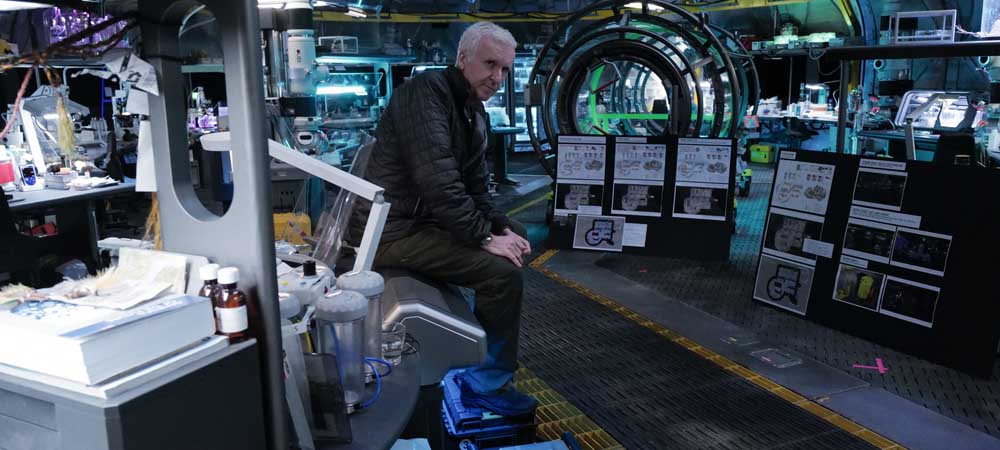
Pre-Planning for VFX Shots: Filming and Scene Setup
Careful pre-planning for how scenes will be filmed and arranged when visual effects (VFX) are involved is one of the most critical parts of the production process. Proper planning ensures that digital effects can be seamlessly integrated with live-action footage later. This process happens during pre-production and involves detailed shot design, visual simulations, and coordination between the director, cinematographer, and VFX team.
1. Identifying and Analyzing VFX Shots in Advance
Before filming begins, the VFX Supervisor and Director work closely to identify which shots will require visual effects. This early collaboration allows the production team to design the shoot around technical and artistic VFX needs. Typical examples include:
-
Digital characters or imaginary environments (e.g., fantasy forests or futuristic cities)
-
Physical simulations such as explosions, floods, or fire
-
The addition of 3D objects or virtual sets
-
Image compositing tasks such as background removal or digital replacements
By defining these shots early, the production avoids costly mistakes and ensures consistency throughout filming.
2. Filming with VFX-Specific Techniques
Once the VFX-dependent shots are identified, filming must be tailored to meet their requirements. Different effects demand different shooting methods, including:
-
Green Screen Filming:
Used when backgrounds will be replaced with digital environments later. This allows for clean separation between actors and the background. -
Camera Tracking:
To align 3D effects accurately in post-production, precise camera motion data must be recorded often with motion-control systems or tracking markers. -
Lighting Design:
Proper lighting setup ensures that digital elements match the real environment. For example, if a CGI creature is added to a live-action scene, the light direction and intensity must be consistent between both worlds.
3. Simulating and Matching Camera Movement
When VFX must sync precisely with camera motion (for instance, a digital creature moving alongside the actors), motion-tracking or motion-capture cameras are used. These systems record the exact path and orientation of the camera, allowing VFX artists to reproduce that movement digitally for realistic integration.
4. Shooting Additional Elements
Sometimes, extra footage is required to complete or enhance the VFX sequence. These additional elements may include:
-
Practical Components:
Physical models or miniature sets that will later be combined with digital effects. -
Pick-Up Shots:
Short reshoots done to fix errors, improve continuity, or capture additional data (e.g., better lighting, cleaner tracking, or alternate camera angles).
5. Scheduling and Budget Planning
Effective pre-planning also involves time and budget management. Because visual effects often require extensive post-production work, production schedules must allocate sufficient time for simulation, rendering, and compositing. Likewise, budgeting must anticipate the resources needed for VFX development, testing, and revisions.
Conclusion
Pre-production planning for VFX-heavy scenes is essential for achieving professional results. From identifying complex shots to designing the right lighting, camera movement, and scheduling, each step ensures that visual effects can be integrated smoothly and convincingly. With careful preparation, the collaboration between filmmakers and VFX teams transforms ambitious visual concepts into cinematic reality.
-
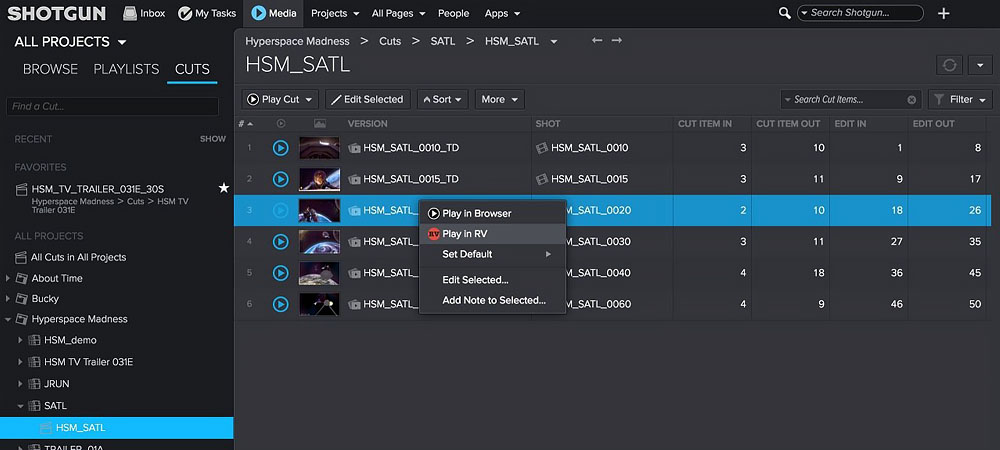
VFX Planning Software and Tools:
Before production begins, various software and tools may be used for digital modeling, camera motion simulation, and render planning. Common examples include Shotgun, Maya, Cinema 4D, Nuke, and others. These tools help teams visualize complex VFX shots in advance and organize the production workflow efficiently. -
Reference Images and Accurate Modeling:
For shots that require digital objects or environments, reference images are essential. They help VFX artists create highly accurate 3D models that match real-world details. Sometimes, these models are generated using advanced technologies such as 3D scanning or 360-degree camera footage, allowing the team to replicate lighting, textures, and spatial details precisely. -
Continuous Supervision by the VFX Supervisor:
Throughout the filming process, the VFX Supervisor works closely with the production crew to ensure everything is captured correctly for visual effects. This includes checking camera angles, lighting conditions, and coordination between departments to make sure every detail aligns with the VFX requirements and nothing is overlooked.
Summary
Pre-production planning for how scenes and shots will be filmed when VFX are involved is absolutely critical. It includes defining which shots require visual effects, filming with special techniques such as green screen or camera tracking, and maintaining close collaboration with the VFX team. Without this careful planning, applying VFX later can become complicated, expensive, and time-consuming.

Sadjad Jahangiri
![Verified]()