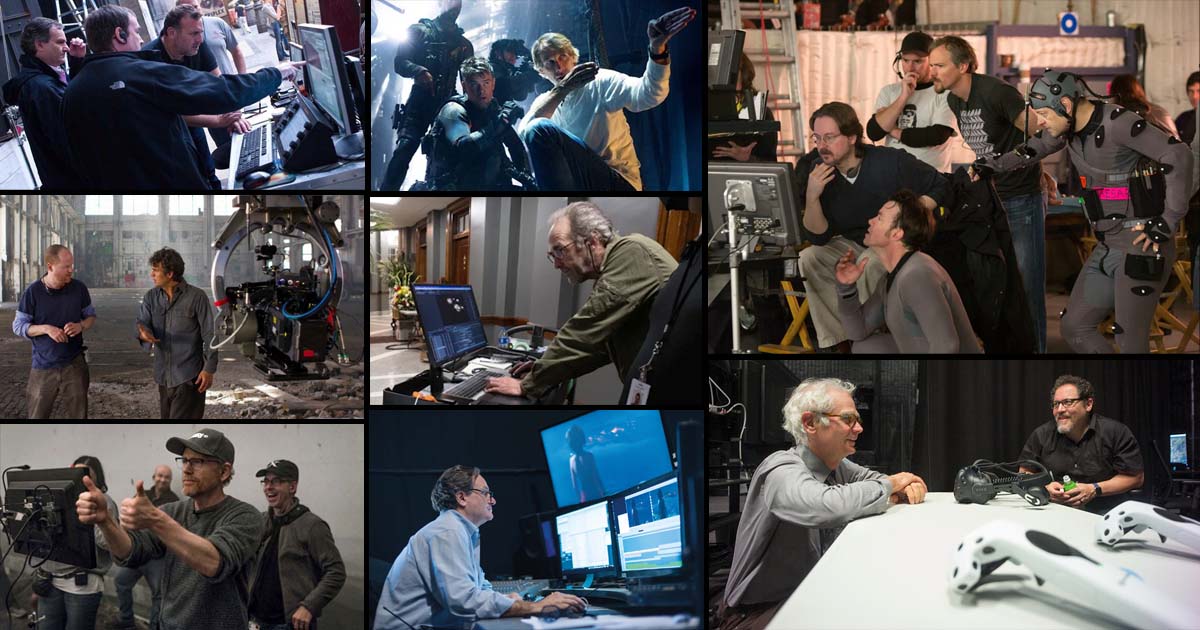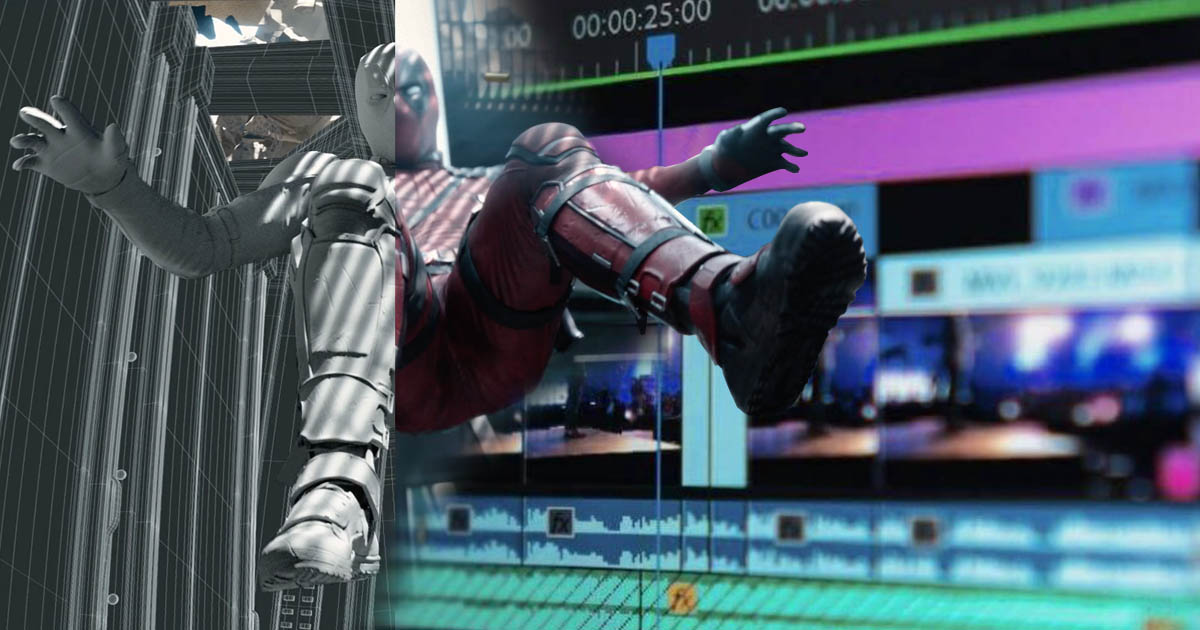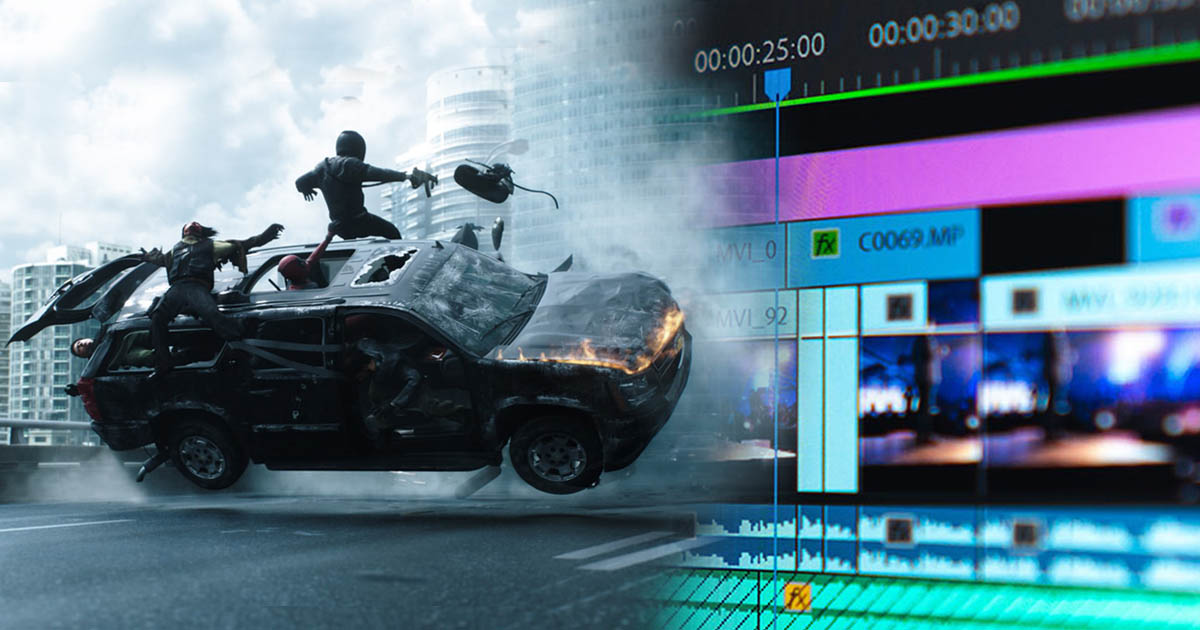

Aesthetics in film editing refers to the art and science of selecting, arranging, and combining images and sounds in a way that creates a specific emotional and visual impact. This process involves a set of principles that shape the viewer’s visual experience and influence the overall meaning of a film, contributing to its unique identity.
The use of aesthetic elements in film editing represents a vital part of the editor’s creative power. Editing is not merely a technical process of joining shots together it is an art form that profoundly affects how a story is told, how emotions are built, and how audiences connect with the film. Therefore, aesthetics in editing serve as powerful tools that allow editors to strengthen the narrative both emotionally and visually. This concept has evolved over time alongside the development of cinema; it was not invented by a single individual but emerged from the collective experimentation and innovation of filmmakers, theorists, and editors throughout film history.
Below are some key aspects of aesthetics in film editing, which we will later discuss in more depth:
-
Rhythm and Timing: Editors use variations in pacing and timing to influence the viewer’s emotions and attention. Fast or slow rhythms can alter the dramatic intensity and shape the overall mood of the film.
-
Image Composition: The way shots are arranged and connected can create specific meanings. Visual harmony, color matching, and balance between different scenes enhance the film’s aesthetic quality.
-
Cuts and Transitions: Techniques such as cuts, long takes, and transitions are used to create either a smooth flow or deliberate disruption in the narrative, producing distinct visual and conceptual effects.
-
Sound and Image Relationship: The coordination between sound and visuals strengthens a film’s aesthetic impact. Ambient sounds, dialogue, and music all contribute to the emotional depth and visual rhythm of the edit.
-
Atmosphere and Tone: Through the careful selection of shots, lighting, color, and contrast, editing helps create a specific emotional and psychological space that immerses the audience in the story.
Creating Emotional and Visual Impact Through Rhythm and Timing
Rhythm and timing are fundamental elements in film editing that allow editors to shape the emotional and visual experience of a film. Through deliberate control of these two elements, editors can intensify drama, build tension, or evoke moments of calm and reflection. Here’s how rhythm and timing contribute to that process:
1. Rhythm and Timing: Their Principles and Effects
Rhythm refers to the pace and order of shots, cuts, and movements. Shifts in rhythm can speed up or slow down the energy of a sequence. Timing, on the other hand, concerns the precise selection and placement of moments within the film. Effective timing can create emotional pressure, excitement, or tranquility, guiding how the audience feels and responds throughout the story.
2. Emotional Effects Through Rhythm and Timing
Creating Tension or Excitement:
When an editor uses a fast rhythm and a series of rapid cuts, the quick succession of shots can generate feelings of anxiety, excitement, or pressure in the audience. This approach is often used in chase sequences, car crashes, or physical confrontations.
Example: The use of rapid, alternating cuts in action films to intensify the energy and dynamic flow of a scene.
Moments of Sadness or Reflection:
To evoke a sense of calm, melancholy, or contemplation, editors may adopt a slower rhythm and extended timing. In this case, shots are presented with longer durations and smoother transitions, allowing the audience to connect emotionally with the characters and reflect on their inner states.
Example: Long, lingering shots in dramatic or emotional scenes that give viewers time to absorb the mood and empathize with the story.
Example:
Drama and romance films often use long, static shots to capture moments of reflection or emotional intimacy.
Creating Suspense and Surprise:
By applying slow pacing and deliberate timing, editors can build anticipation and surprise. This often involves delaying cuts or extending tense moments to heighten the audience’s emotional response.
Example: In horror films, editors frequently use slower timing to prolong the moment before a frightening event, creating suspense and psychological tension.
3. Visual Effects Through Rhythm and Timing
Sense of Motion and Energy:
Rapid shot changes and quick cuts can enhance the feeling of movement and vitality. By choosing a fast pace, the editor increases the scene’s dynamism and keeps the audience fully engaged.
Example: In sports or action films, fast-paced editing amplifies the energy and rhythm of motion, making scenes more immersive and exciting.
Silence and Open Space:
Using slower timing and visual breathing space draws attention to subtle details such as lighting, color, or small character gestures. This technique creates a contemplative or atmospheric mood.
Example: In art-house or experimental cinema, long takes and slow camera movements significantly contribute to creating a distinctive visual tone.
Focus on Detail:
Precise timing and a slower rhythm allow viewers to notice details facial expressions, hand movements, or background objects that carry emotional or symbolic meaning.
Example: In social dramas, editors may linger on a character’s face to reveal subtle emotional reactions and deepen audience empathy.
4. How Rhythm and Timing Work Together
Editors often combine different pacing and timing strategies throughout a film to create emotional and visual variation. Slow timing may be paired with quick rhythms to contrast calm and chaos, generating dynamic emotional shifts. These contrasts shape the narrative flow and influence how viewers emotionally experience the story.
5. Famous Examples in Cinema
In Christopher Nolan’s films such as Inception and Dunkirk fast-paced editing and complex time structures effectively build excitement, stress, and suspense, keeping the audience on edge.
In Alejandro González Iñárritu’s films such as The Revenant long takes and slower pacing immerse viewers deeply into the characters’ worlds, allowing them to experience raw emotion and intensity.
Ultimately, through the careful use of rhythm and timing, editors can craft powerful emotional and visual experiences. These two elements are profoundly linked to the psychology of the audience and form a core part of cinema’s visual language.
Creating Emotional and Visual Impact Through Image Composition
Image composition in film editing is one of the most powerful tools editors use to create emotional and visual impact. It refers to the way shots, colors, lighting, objects, movements, and other visual elements are arranged and connected to form meaning and evoke feeling. Through deliberate selection and combination of images, the editor can craft a compelling emotional and sensory experience for the audience.
Below are some key ways image composition influences the emotional and visual dimensions of a film:
1. Creating Harmony and Contrast Between Images
Harmonious Composition:
Editors can use visual harmony through balanced colors, soft lighting, and gentle forms to evoke feelings of calmness, intimacy, or contemplation. Warm color palettes and smooth transitions help establish a sense of emotional connection and peace.
Example: In romantic or dramatic films, editors often combine soft tones and delicate imagery to enhance the sense of closeness and emotional warmth between characters.
Contrasting Composition:
In contrast, visual tension created through opposing colors, harsh lighting, or abrupt movements can intensify emotional stress or excitement. Contrast introduces unease, urgency, or chaos, amplifying the dramatic effect of a scene.
Example: In horror films, a dark, shadowy environment combined with sharp flashes of light can evoke fear and anxiety, keeping the audience on edge.
2. Building Meaning and Visual Structure Through Images
Creating New Meanings Through Juxtaposition:
The sequence and combination of shots can generate new meanings that individual images alone cannot convey. By editing two or more seemingly unrelated shots together, editors can evoke symbolic associations, metaphors, or layered interpretations of events.
Example: In films like The Godfather, the juxtaposition of different scenes such as violence intercut with religious imagery symbolically explores themes of power, corruption, and family.
Parallel Editing:
Parallel editing (also known as cross-cutting) involves intercutting two or more separate actions happening simultaneously or in different narrative threads. This technique highlights emotional or thematic connections or contrasts between characters and situations.
Example: In action or complex dramas, showing one character in danger while another races to save them builds tension, hope, and anticipation, engaging the viewer both emotionally and intellectually.
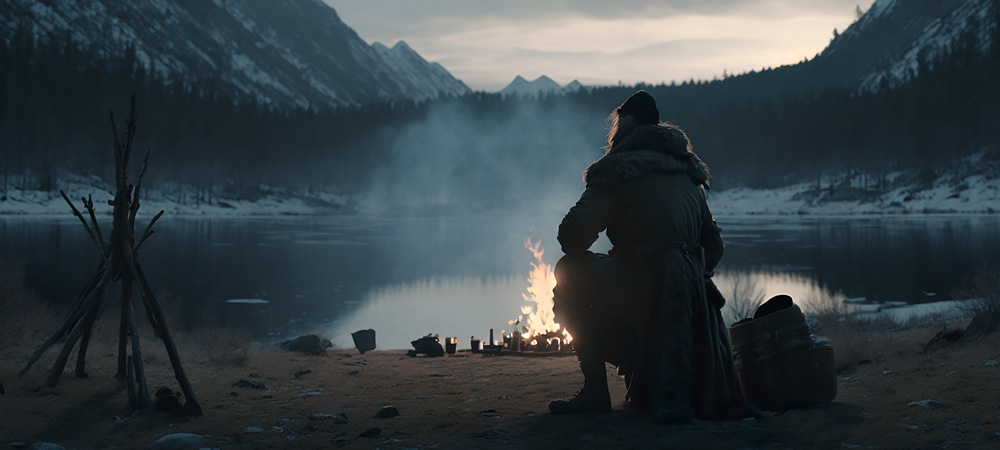
3. Motion and Dynamics in Image Composition
Camera and Character Movement:
The combination of camera movement and character motion across different shots can evoke sensations of dynamism, tension, or even liberation. By carefully selecting shots where movement flows naturally or by using rapid cuts editors can heighten the sense of motion and intensity.
Example: In chase or battle sequences, the blend of swift camera movement and quick shot changes conveys a strong sense of energy and excitement, immersing the audience in the scene’s urgency.
Smooth and Gradual Cuts:
Conversely, soft or gradual transitions such as gentle dissolves or crossfades between shots can create feelings of calm, reflection, or emotional fulfillment.
Example: In romantic or art films, smooth transitions and visually soothing compositions help communicate subtle emotional nuances and lyrical moods.
4. Color and Lighting in Image Composition
Color Theory:
Color is a crucial part of visual composition, capable of evoking a wide range of emotions. Warm colors such as red, orange, and yellow often express passion, energy, or danger, while cool tones like blue, green, and violet suggest calmness, melancholy, or detachment.
Example: In dark, gritty films such as Se7en, muted tones and limited lighting enhance the emotional sense of fear, tension, and moral decay.
Lighting:
Lighting serves as another key expressive tool in visual composition. Soft, diffused light often conveys intimacy and tranquility, whereas harsh or directional lighting emphasizes contrast, conflict, or psychological tension.
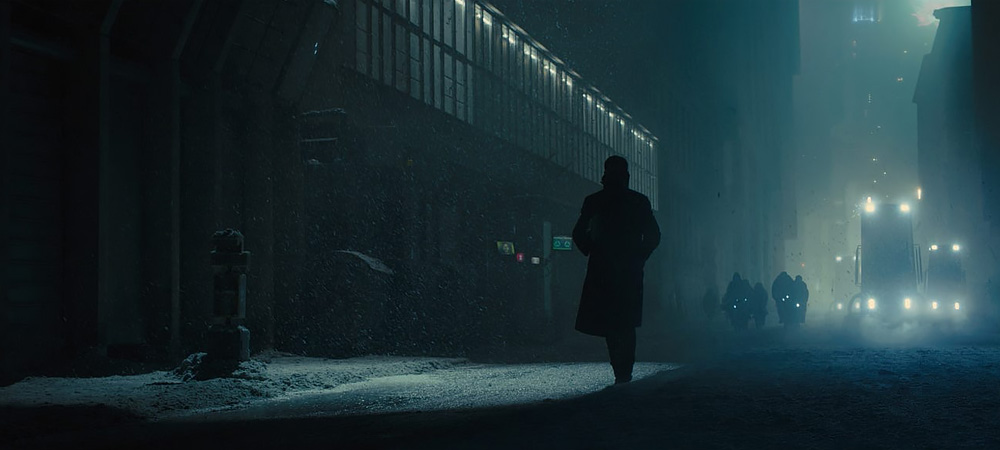
Example: In neo-noir films like Blade Runner, intense lighting combined with deep shadows effectively evokes feelings of isolation, danger, and moral ambiguity.
5. Cinematic Examples and Their Emotional–Visual Impact
In Quentin Tarantino’s films, such as Pulp Fiction, the juxtaposition of contradictory images for example, moments of violence paired with humor creates powerful emotional and visual contrasts that keep viewers in a constant state of tension and surprise.
In Stanley Kubrick’s A Clockwork Orange, vivid colors and stylized lighting are used to amplify emotional extremes and heighten the unsettling ambiguity surrounding the characters and their world.
6. Creating Symbolic Meaning
Image composition can also serve as a tool for developing symbolic and metaphorical layers within a film. Repetition, opposition, and visual parallels can reinforce thematic elements such as power, loneliness, or justice.
Example: In philosophical films like 2001: A Space Odyssey, the visual and spatial compositions symbolically convey complex ideas about human evolution and our place in the universe.
Ultimately, image composition in film editing not only shapes the film’s aesthetic but also deeply influences its emotional resonance. Through thoughtful use of this element, editors can construct a rich atmosphere filled with meaning, emotion, and visual tension that engages the audience on both an intellectual and sensory level.
Creating Emotional and Visual Impact Through Cuts and Transitions
Cuts and shot changes in film editing are among the most powerful tools for generating emotional and visual effects. Any type of transition, such as a “cut” or “transition,” can introduce new meaning to the narrative and produce distinct emotional and visual responses in the audience. By carefully choosing timing, the type of cut, and how shots are linked, editors can convey feelings such as tension, calm, surprise, or sadness while shaping the film’s visual composition.
1. Fast Cuts and Their Emotional Effects
Excitement and Anxiety:
Rapid, successive cuts are commonly used to create a sense of excitement, anxiety, or tension. When shots change quickly and repeatedly, these cuts can raise the viewer’s heartbeat and generate a feeling of urgency or unease.
Example: In action or thriller films like The Bourne Ultimatum, fast cuts during chase sequences intensify the sense of speed and tension, keeping audiences fully engaged.
Suspense and Surprise:
Fast cuts at critical moments can also build suspense. Editors may intercut quick, alternating shots before revealing a key event to keep the audience on edge.
Example: In horror films like Psycho, rapid cuts especially during chase or attack scenes create shock, suspense, and heightened emotional engagement.
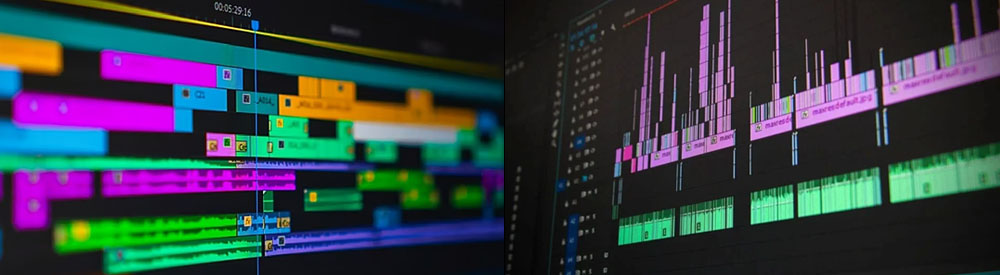
2. Smooth Cuts and Their Emotional Effects
Creating Calm and Reflection:
Smooth cuts that gradually transition from one shot to another (such as “fade” or “dissolve”) are often used to evoke a sense of calm or contemplation. These cuts allow viewers to fully immerse themselves in the emotional or visual atmosphere of a scene.
Example: In dramas or romantic films like Before Sunrise, long and gentle cuts between scenes create a peaceful mood and enhance audience empathy with the characters.
Emotional Connection Between Characters:
When two characters interact, smooth cuts can foster a sense of intimacy and empathy. These cuts are typically used to convey emotions and subtle reactions without introducing visual tension.
Example: In romantic films, soft cuts from one character to another can beautifully capture tender and passionate moments.
3. Meaningful Cuts and Visual Effects
Creating Contrast and Semantic Tension:
Sudden and unexpected cuts can introduce visual and emotional contrasts between shots. This technique is especially effective during major shifts in emotion or narrative.
Example: In The Godfather, abrupt cuts from calm dining scenes to violent sequences (such as from a dinner table to a murder scene) generate shock and dramatic contrast for the audience.
Establishing Semantic Links Between Shots:
Meaningful cuts can subtly connect two shots to convey symbolic or deeper meaning. This technique helps create visual metaphors and layered interpretations.
Example: In experimental films like 2001: A Space Odyssey, meaningful cuts between shots (e.g., from a bone to a spaceship) convey philosophical messages about human evolution.
4. Transitions and Visual Effects
Smooth Transitions and Spatial Shifts:
Transitions like “dissolve” can indicate changes in space or time within a film. These types of transitions are often used to depict major narrative shifts, such as moving from the past to the present or between different emotional spaces.
Example: In films like The Tree of Life, long and gentle transitions naturally illustrate temporal and thematic shifts.
Quick Transitions and Rapid Spatial Changes:
Rapid transitions, especially creative “match cuts,” can have a strong visual impact and surprise the audience. These swift changes can quickly alter the perception of space or narrative context.
Example: In Trainspotting, fast and inventive transitions effectively convey disorientation and rapid psychological changes in the characters.
5. Long Takes and Their Emotional–Visual Impact
Creating Unease or Pressure:
Occasionally, editors use long, uninterrupted takes without changing shots to create psychological tension. This type of editing can amplify feelings of unease or suspense in the audience.
Example: In films like Birdman or 1917, continuous long takes convey a sense of continuity and tension, immersing viewers directly into the story and the characters’ experiences.
6. Parallel Editing and Its Emotional Effects
Creating Simultaneity Across Events:
Parallel editing, which depicts events occurring in different locations or times, can effectively heighten tension or excitement while showing that these events are interconnected.
Example: In action films like The Dark Knight, parallel cuts between different storylines increase dramatic intensity and amplify the sense of surprise for the audience.
Cuts and shot transitions are powerful tools in an editor’s hands, capable of profoundly influencing the audience’s emotional and visual experience. By carefully selecting the type of cut, timing, and transitions, editors can evoke a wide range of emotions excitement, fear, sadness, or joy while also conveying visual and symbolic meaning.
Creating Emotional and Visual Impact Through Sound-Image Relationships
The relationship between sound and image is a key factor in generating emotional and visual impact in film. Properly combining audio and visuals provides a richer, multi-layered experience, conveying emotions and meanings that would be difficult to achieve through either element alone. Editors can use these sound-image connections to create new relationships and evoke a wide spectrum of audience responses, including fear, joy, sadness, excitement, and tension.
1. Sound-Image Relationships for Emotional Enhancement
Sound-Image Contrast:
One important technique is creating contrast between sound and image. This can generate complex and varied emotional responses in the audience. When the sound contrasts with the visuals, it may produce surprise, confusion, or even humor.
Example: In A Clockwork Orange, the use of classical music over violent scenes creates a striking contrast, eliciting conflicting feelings of beauty and horror.
Sound-Image Harmony:
Conversely, when sound and image are presented in harmony, without conflict, they can produce a sense of calm and unity. This type of pairing is often used to enhance feelings of intimacy, peace, or comfort.
Example: In romantic films like The Notebook, gentle music and natural sounds combined with images of a sunset or characters in conversation reinforce a sense of closeness and tranquility.
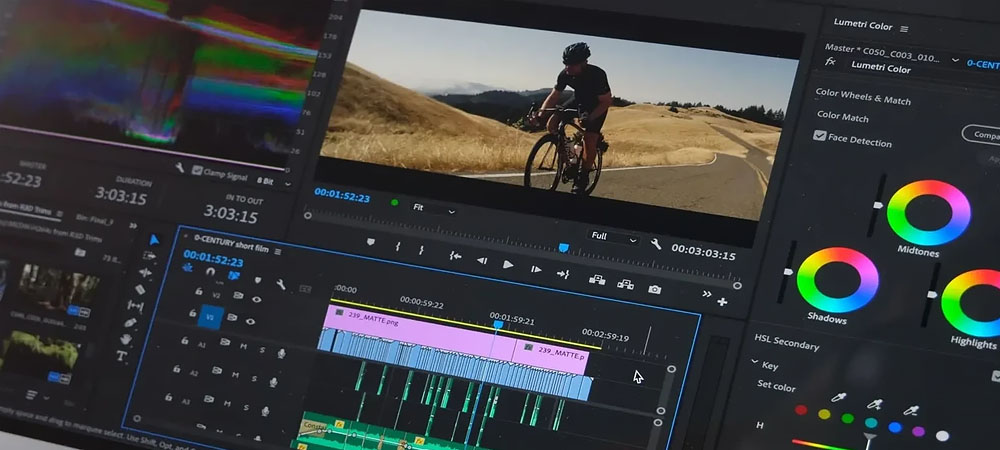
2. The Role of Sound in Enhancing Emotion and Suspense
Tension Through Sound:
Sound can effectively amplify tension in a scene. For instance, sharp, dissonant noises or suspenseful music can heighten the audience’s emotional response and increase the sense of threat.
Example: In horror films like Jaws, unsettling sounds and the accelerating musical score alert viewers to imminent danger, even before it appears on screen.
Excitement Through Sound:
Conversely, in scenes where excitement or joy is emphasized, upbeat music, fast rhythms, and energetic sound effects can enhance these emotions.
Example: In sports films like Rocky, the combination of sound and image particularly during fight sequences with epic music and impactful sound effects intensifies the audience’s excitement and conveys the characters’ power.
3. Use of Non-Diegetic Sound
Music and Sound Effects as Emotional Elements:
Music that exists outside the world of the film (non-diegetic sound) is especially used to heighten emotional and dramatic impact. When paired with imagery, this sound can reinforce specific ideas or feelings in the audience’s mind.
Example: In Schindler's List, the mournful music accompanying images of World War II atrocities profoundly affects the audience, intensifying the film’s pervasive sense of sorrow.
Character Inner Voice (Voiceover):
The inner thoughts of characters, conveyed through voiceover alongside on-screen actions or settings, provide deeper insight into their emotions and mindset.
Example: In Taxi Driver, the protagonist’s inner monologue combined with visual imagery emphasizes his loneliness and despair.
4. Use of Ambient Sound
Creating a Sense of Space and Place:
Ambient sounds such as wind, rain, vehicles, or birds help establish a specific atmosphere and, in combination with visuals, can evoke feelings of calm, fear, or vulnerability.
Example: In dramas like The Revenant, the sounds of the natural environment, paired with the raw visuals of the wilderness, enhance the audience’s perception of the characters’ struggle and isolation.
Enhancing Realism and Presence:
In some films, particularly documentaries or realistic dramas, ambient sounds contribute to a sense of presence and authenticity, making viewers feel embedded in the film world.
Example: In The Social Network, background sounds like typing or incidental conversations strengthen the sense of time and place while reflecting the digital and modern environment of the story.
5. Linking Sound and Image Through Sound Effects
Blurring the Line Between Reality and Imagination:
The use of specific sound effects can blur the boundary between reality and fantasy, enhancing both realism and the perception of psychological or imaginative distortions within the film.
Example: In Inception, the recurring sound of time-keeping and clock strikes, combined with visuals of spatial and temporal complexity, creates surreal and psychologically impactful effects for the audience.
6. Silence and Its Emotional Impact
Creating Emotional Effects Through Silence:
Sometimes, the absence of sound can generate powerful emotional and dramatic effects. When sound and image are presented simultaneously in silence, they can convey intense emotions such as isolation, sorrow, or awe.
Example: In No Country for Old Men, extended moments of silence during chase sequences or tense confrontations amplify feelings of fear and danger, keeping the audience in a state of suspense.
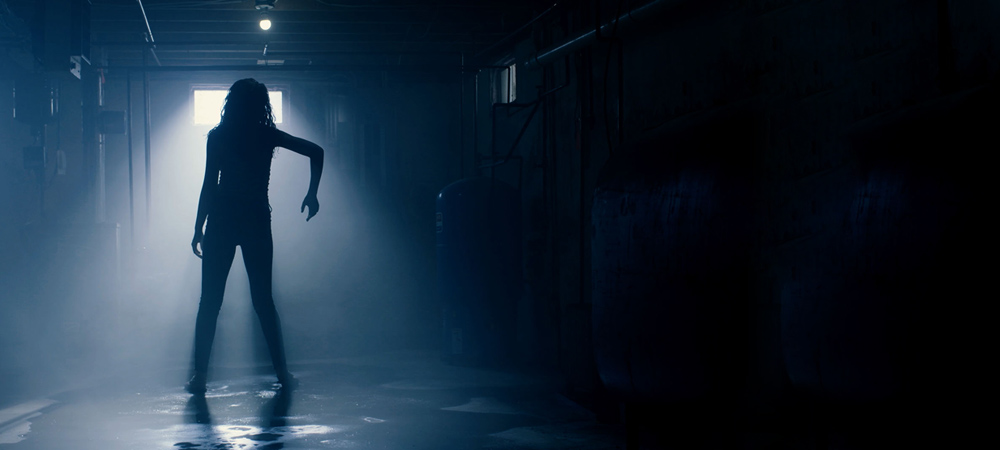
7. Linking Sound and Image Through Sound Reversal
Unexpected Effects Through Sound Alteration:
Using sound reversal, especially during emotional shifts or moments when the film’s reality is destabilized, can create unique visual and semantic impacts.
Example: In Fight Club, prominent and unexpected changes in sound emphasize the character’s internal conflicts and psychological instability, complementing the visual transformations on screen.
Sound-image integration in film editing is a powerful tool for generating emotional and visual impact. By leveraging contrast and harmony, selecting specific sounds, using silence, and manipulating audio changes, editors can effectively evoke a range of emotions — including excitement, fear, sadness, joy, or suspense. Ultimately, the precise combination of these elements allows a film to establish a deeper emotional and narrative connection with the audience than either sound or image could achieve alone.
Creating Emotional and Visual Impact Through Spatial Differentiation
Spatial differentiation is a fundamental editing technique that can profoundly affect both the emotional and visual experience of the audience. Editors can manipulate tools such as color grading, lighting, shot composition, camera angles, and the timing between scenes to create distinct spatial experiences. When these differences are effectively aligned with the film’s content and emotional tone, they enhance the viewer’s emotional engagement and create a unique visual experience.
1. Lighting Variations and Their Impact on Space
Influence on Mood and Overall Atmosphere:
Lighting is one of the primary factors that can alter the overall feel of a scene. Bright or dim lighting, the balance of light and shadow, and even color temperature variations can create significant visual and emotional distinctions.
-
Low-light, Somber Atmosphere:
When dark scenes are combined with low lighting and heavy shadows, they enhance feelings of sadness, loneliness, or anxiety. -
Bright, Lively Atmosphere:
Conversely, in upbeat or energetic films, bright lighting conveys happiness, vitality, and comfort.
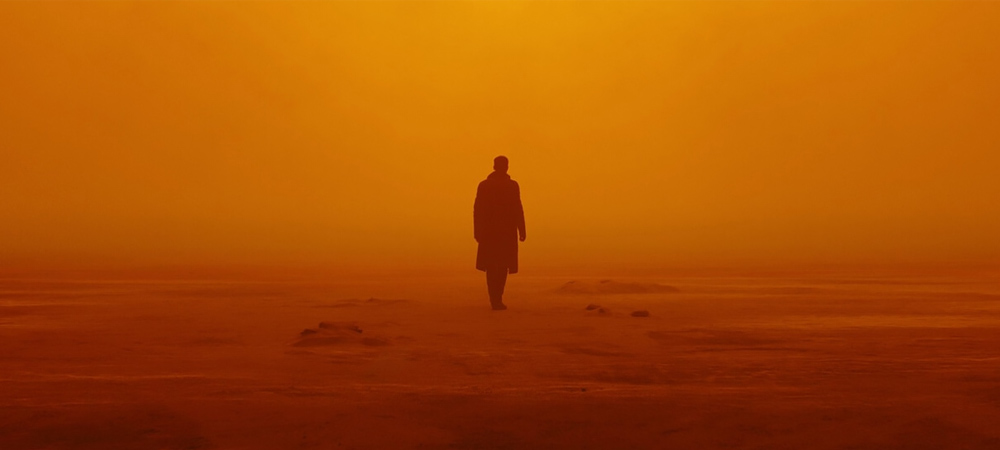
Example: In The Godfather, the use of dim lighting in key violent or dramatic scenes establishes a sense of threat and fear, creating both visual and emotional contrast that strongly impacts the audience.
2. Color Variations and Emotional Impact
Using Color to Differentiate Spaces:
Colors can directly influence the audience’s emotions and help distinguish different spaces or moods within a film. Each color carries specific connotations and can immerse the viewer in a particular emotional atmosphere.
-
Warm Colors: Reds, oranges, and yellows can convey feelings of joy, warmth, energy, or even danger.
-
Cool Colors: Blues and greens often evoke calmness, solitude, sadness, or tranquility.
Example: In Sin City, the use of black-and-white imagery combined with striking colors like red effectively differentiates various narrative spaces, creating a visual world distinct from reality and the events within the story.
3. Variations in Shot Composition and Spatial Perception
Composing Shots to Distinguish Mental and Physical Spaces:
Editors can create a sense of spatial differentiation by combining shots and using gradual or sudden transitions. For instance, switching from a wide shot to a close-up can distinguish a character’s inner, psychological space from the external environment.
-
Wide Shots: Typically used to depict open, public, or expansive spaces, conveying the scale and scope of the environment.
-
Close-ups: Focus on the character’s emotions and subtle psychological details, providing intimacy and emotional depth.
Example: In The Shining, the interplay between wide and close-up shots effectively creates a spatial contrast, emphasizing feelings of isolation and fear within the hotel’s various spaces.
4. Camera Movement and Its Emotional Effect on Space
Camera Motion as a Tool for Spatial and Emotional Differentiation:
Camera movement — whether smooth and fluid or sudden and abrupt can transform spatial perception and evoke different emotional responses in the audience.
-
Slow, Fluid Movements: These can foster a sense of calm, reflection, or intimacy. Such movements are often employed in dramas and romances to convey serenity or closeness.
-
Rapid, Abrupt Movements: Fast or sudden camera motions heighten tension, fear, or excitement. In action or thriller films, they are frequently used to intensify suspense.
Example: In Children of Men, extended and continuous camera movements during scenes of violence or chaos immerse the viewer directly into the high-stakes, dangerous environment, enhancing the sensation of being part of the tense and perilous space.
5. Variations in Timing and Their Impact on Film Space
The Role of Timing in Differentiating Spaces:
Editors can use various timing techniques, such as flashbacks or flash-forwards, to create distinct spatial and temporal experiences in a film, eliciting different emotions simultaneously in the audience.
-
Flashbacks: These can differentiate past spaces from the present, effectively conveying feelings of nostalgia, regret, or sorrow.
-
Flash-forwards: These can generate tension and anxiety, distinguishing future spaces from the present.
Example: In Memento, the use of flashbacks and reverse timing effectively separates the protagonist’s mental spaces from the physical ones, creating a sense of disorientation and suspense for the audience.
6. Variations in Sound and Their Impact on Film Space
The Role of Sound in Differentiating Spaces:
Sound can be used to distinguish different spaces and environments within a film. For instance, in the real world, ambient and natural sounds can depict the specific atmosphere of a location.
-
Ambient sounds: Sounds like wind, rain, or urban life can evoke distinct feelings of different spaces.
-
Non-diegetic sounds: Music or sound effects can create inner spaces of characters or imaginary, unreal environments.
Example: In Blade Runner, the combination of ambient city sounds, rainfall, and electronic music distinguishes the futuristic world from the real world.
7. Differentiating Characters’ Mental and Physical Worlds
Mental and Psychological Spaces:
By employing visual distinctions, editors can differentiate between characters’ mental and physical worlds. This distinction strengthens the depiction of inner emotions and helps the audience understand the differences between reality and the characters’ fantasies or dreams.
Example: In Black Swan, visual contrasts such as changes in color, lighting, and shot composition clearly distinguish the main character’s real world from her mental world.
Creating spatial distinctions is a vital tool in film editing, as it directly impacts the audience’s emotional and visual experience. Through lighting, color, shot composition, camera movement, timing, and sound, editors can separate different spaces in a film, each carrying unique emotional and visual effects. These distinctions allow the audience to better understand the film’s world and characters, enhancing the depth of their emotional and visual experience.
Key Figures in Film Editing and Aesthetics
-
Sergei Eisenstein:
Eisenstein was a pioneer of cinematic editing and a leading theorist of montage editing in Soviet cinema. He believed that editing should not only tell a story but also create new emotions and meanings. His work demonstrates how juxtaposing shots can convey deeper messages and feelings to the audience.
Impact on Aesthetics:
Eisenstein’s montage theory reinforced the visual and emotional connections between shots and laid the foundation for the evolution of film editing.
2. D. W. Griffith
Griffith is recognized as one of the first filmmakers to use editing to enhance storytelling. He developed techniques such as parallel editing and the use of close-ups to emphasize emotions.
Aesthetic Impact:
Griffith transformed editing into a tool for conveying subtle emotional and narrative nuances, demonstrating how time and space can be managed through editing.
3. Lev Kuleshov
Kuleshov, through his experiments (such as the Kuleshov Effect), showed how the meaning of a shot can change depending on the preceding or following shot. He believed that editing is the key to creating emotion and meaning in cinema.
Aesthetic Impact:
He emphasized that meaning and emotions arise more from the relationship between shots than from any single shot in isolation.
4. Jean-Luc Godard
Godard was a pioneer of the French New Wave who brought editing aesthetics to a new level. He employed techniques such as jump cuts to create innovative visual and conceptual effects.
Aesthetic Impact:
Godard broke traditional editing rules and used editing to draw attention to the constructed nature of cinema, challenging viewers to engage with the medium itself.
5. Walt Disney and Animation Editing
In animation, aesthetic editing was developed extensively by Walt Disney Studio. Precise timing and perfect synchronization between sound and image gave animation its unique visual appeal.
Aesthetic Impact:
The combination of character movement and precise editing made animations visually and emotionally impactful.
Summary
The aesthetics of film editing is the result of contributions from numerous theorists and editors throughout cinema history. Each played a role in the evolution of the craft:
-
Eisenstein with montage,
-
Griffith with cinematic storytelling,
-
Kuleshov with meaning through editing, and
-
Godard with breaking traditional boundaries.
Together, these achievements show that film editing aesthetics is an evolving process, continually advancing with new techniques and technologies. Aesthetics remain a central part of the power of editing, combining art and technique in cinema.

Sadjad Jahangiri
![Verified]()