
Visual-Effects

  • مفهوم UDIM و کاربرد آن در ایجاد جزئیات واقع‌گرایانه

    مفهوم UDIM و کاربرد آن در ایجاد جزئیات واقع‌گرایانه

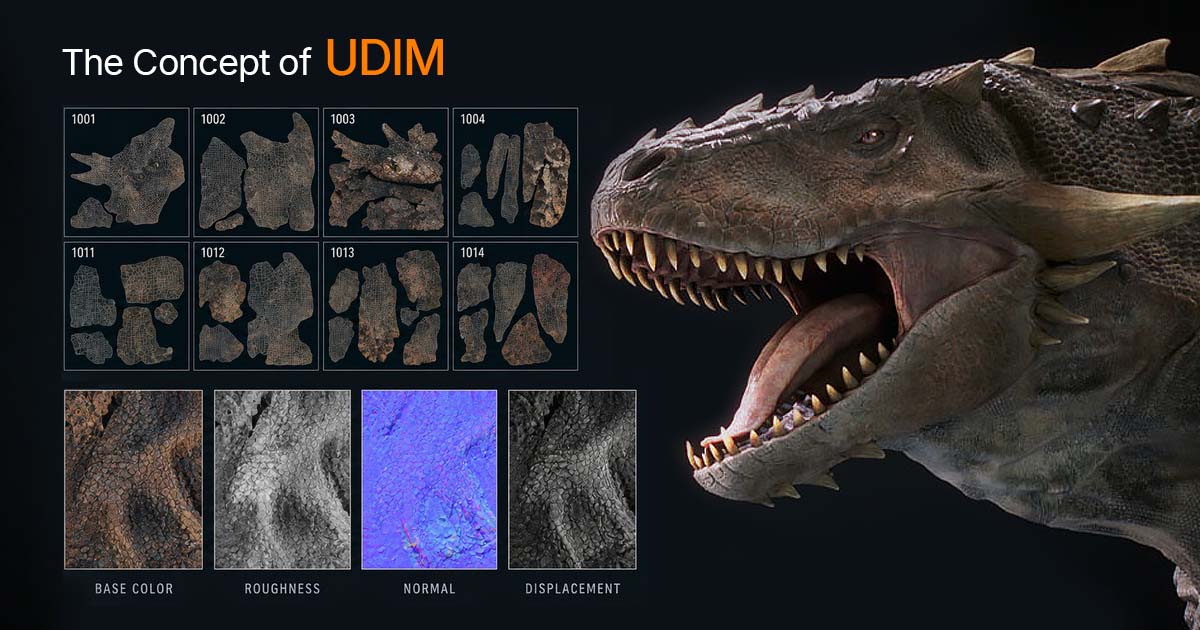
    UDIM (U-Dimension) سیستمی است که توسط Weta Digital با همکاری Paul Debevec و تیم پشتیبان او توسعه داده شد. Weta Digital که یکی از پیشگامان صنعت جهانی VFX به شمار می‌رود، این سیستم را برای حل پیچیدگی‌های UV Mapping در پروژه‌های سه‌بعدی بزرگ و پیچیده طراحی کرد. UDIM در ابتدا برای پروژه‌های بزرگ سینمایی و انیمیشنی توسعه یافت که به تکسچرهای بسیار دقیق و پرجزئیات نیاز داشتند.

  • Why USD Is Becoming the Language of Modern VFX

    Why USD Is Becoming the Language of Modern VFX

    Universal Scene Description is more than a 3D file format. It represents a different way of building, assembling, and managing complex digital scenes.

    For years, visual effects pipelines have relied on a collection of specialized applications. One artist may build an asset in Maya, another may simulate destruction in Houdini, another may handle lighting and rendering, while compositors work in Nuke. Each application has its own scene representation, data structures, and ways of working.

  • The Interaction Between Editing & Visual Effects in a Film Project 2

    The Interaction Between Editing & Visual Effects in a Film Project 2

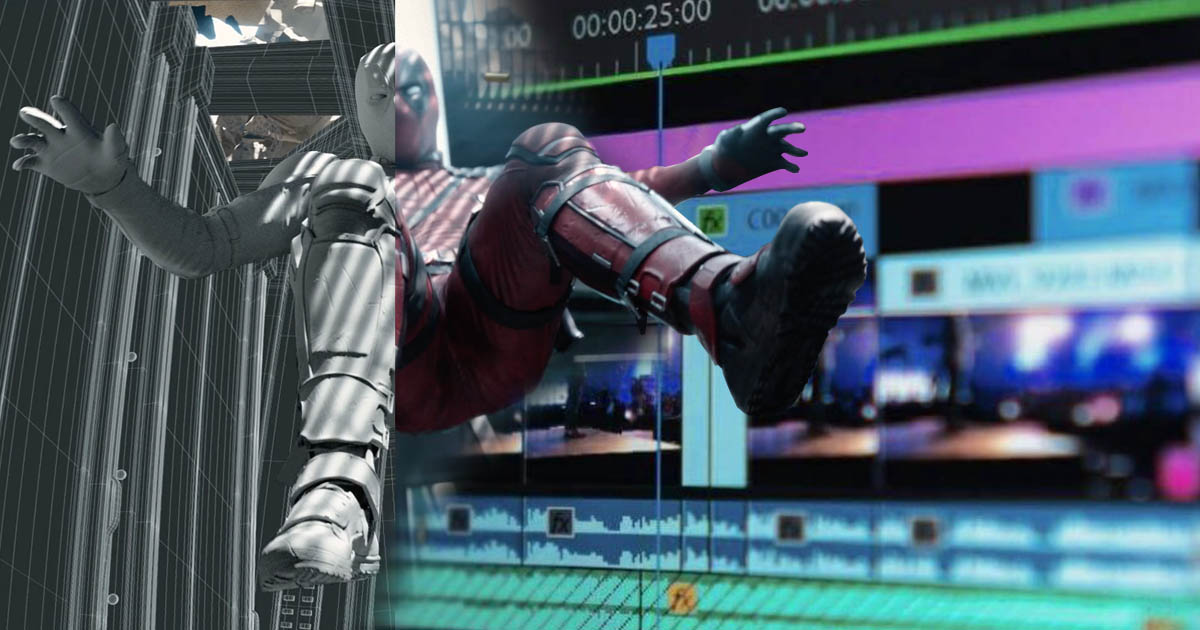
    In the first part of this article, we explored how the interaction between editing and visual effects shapes the cinematic narrative, and how early editorial decisions can influence the workflow of the VFX team. In this second part, we move into a more advanced phase of this collaboration where shots have progressed beyond initial design and creation, and the close coordination between the editor and the VFX team becomes even more critical.

  • The Interaction Between Editing & Visual Effects in a Film Project

    The Interaction Between Editing & Visual Effects in a Film Project

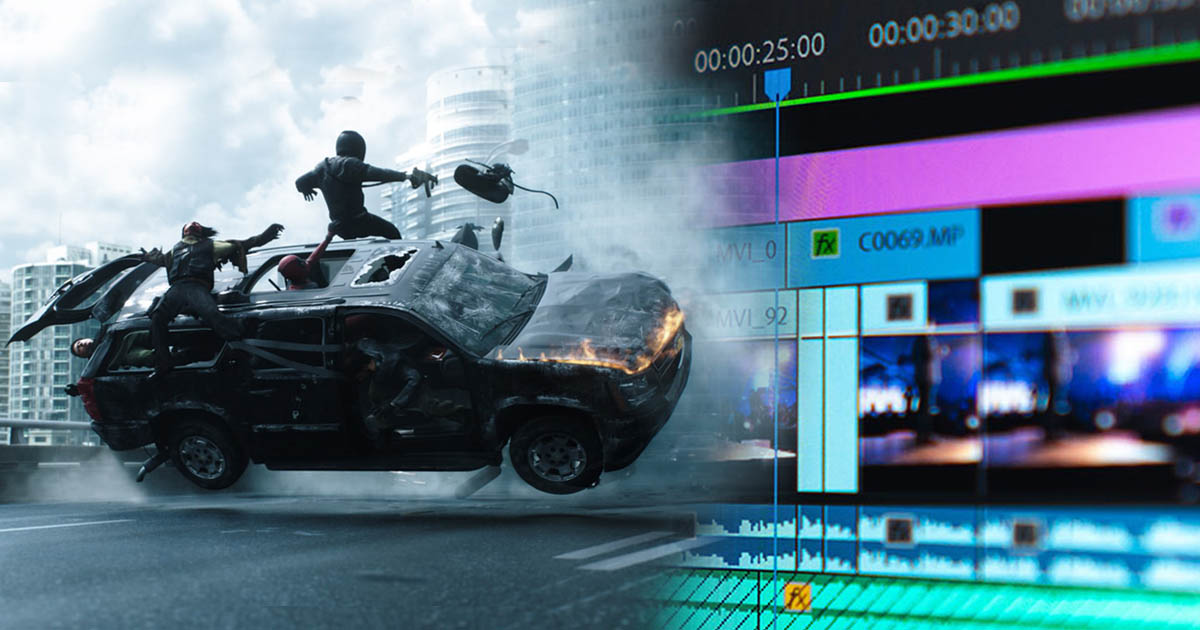
    Coordination and collaboration between editing and visual effects (VFX) in a film project often referred to as Editorial and VFX Collaboration, VFX Integration, or Post-Production Integration means the seamless and effective interaction of these two departments during production, which has a significant impact on the audience’s final experience.

  • The Complete Role and Responsibilities of a VFX Supervisor

    All About the Job of VFX Supervisor

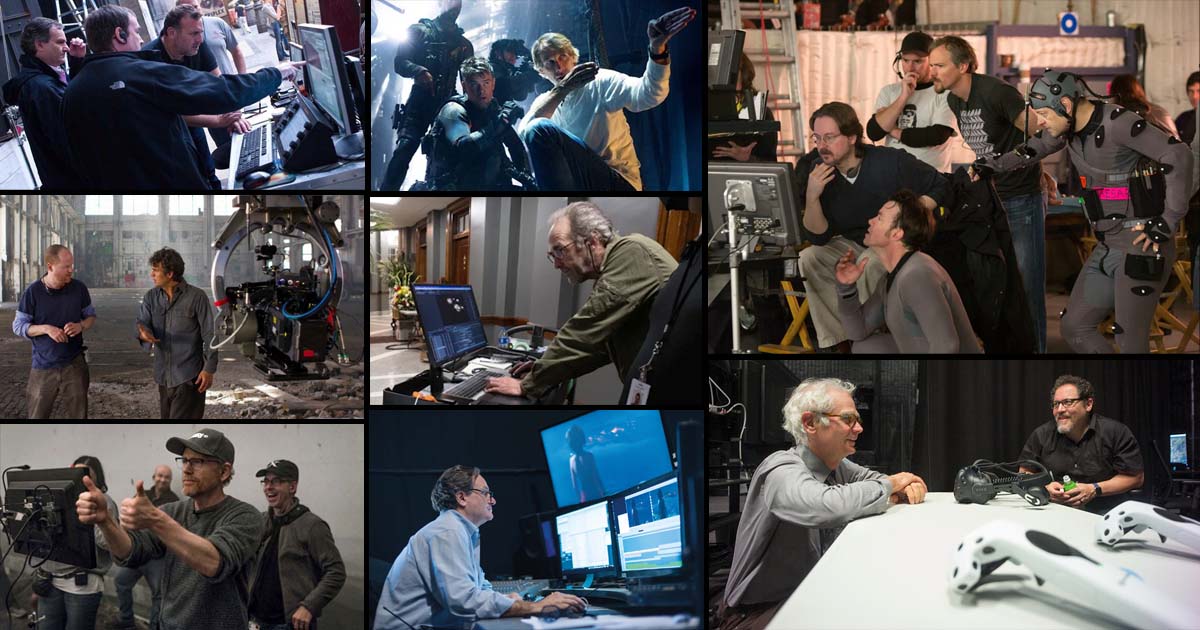
    In the bustling world of cinema and television, where every frame can transport the audience into another reality, there exists an unseen yet powerful force orchestrating it all: the VFX Supervisor. This individual is the backbone of creativity and technology the one who turns visual magic into believable reality, brings dreams to the screen, and makes the impossible possible.

  • The Art and Science of Texturing Hero Assets

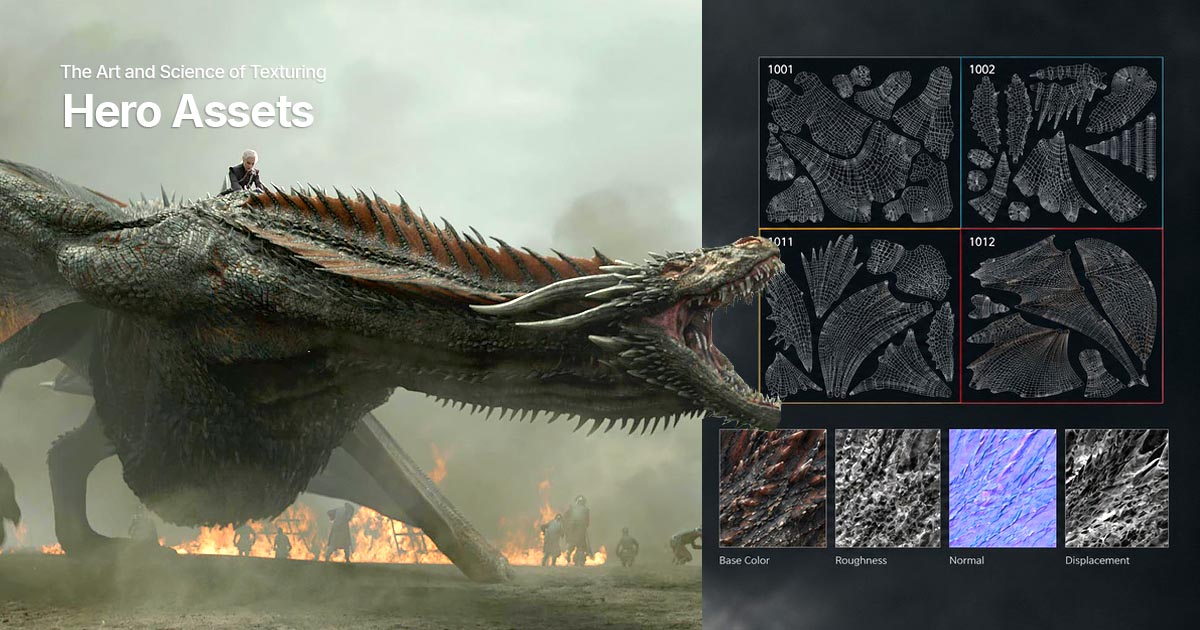
    Hero asset texturing for film, featuring a dragon, UV layouts, and texture maps.

    Hero asset texturing combines artistic judgment with technical control to create detailed, believable surfaces for characters, creatures, props, and other high-visibility models. This article explores surface detail, material definition, texture maps, sculpting, Look Development, and the workflows that help hero assets remain convincing under close inspection in film, animation, and games.

  • Technical Review of EXR Format | Enhanced Detail and Realism

    Technical Review of EXR Format | Enhanced Detail and Realism in VFX & Animation

    Today, we aim to explore the topic of EXR in depth, discussing its significance, technical power, and the capabilities it offers in the fields of visual effects, animation, and cinema. Understanding the importance of using this format is essential: after the introduction and adoption of EXR, image quality and detail in the film and animation industry improved dramatically.

  • Stereoscopy Mechanism in VFX & Film Production

    Stereoscopy Mechanism in VFX & Film Production

    Stereoscopy is the process of creating or presenting two slightly different views of a scene—one for the left eye and one for the right—so that the visual system can perceive depth. In film production and visual effects (VFX), this affects much more than the final 3D presentation: it influences camera planning, shot design, compositing, quality control, and the way audiences experience a scene.

  • Stagecraft Technology in VFX | Integrating Real and Virtual Scenes

    LED Volume stage displaying a rocky desert environment for virtual production with a motorcycle and camera crane

    Virtual production has changed the way filmmakers plan and capture visual effects. One of the best-known examples is ILM StageCraft, a virtual production toolset developed by Industrial Light & Magic (ILM) that combines LED display technology, real-time rendering, camera tracking, and on-set workflows. Rather than treating every digital environment as a background to be added after filming, StageCraft can bring selected virtual environments onto the set while the cameras are rolling.

  • Nuke Stage vs. Unreal Engine: Virtual Production Workflows

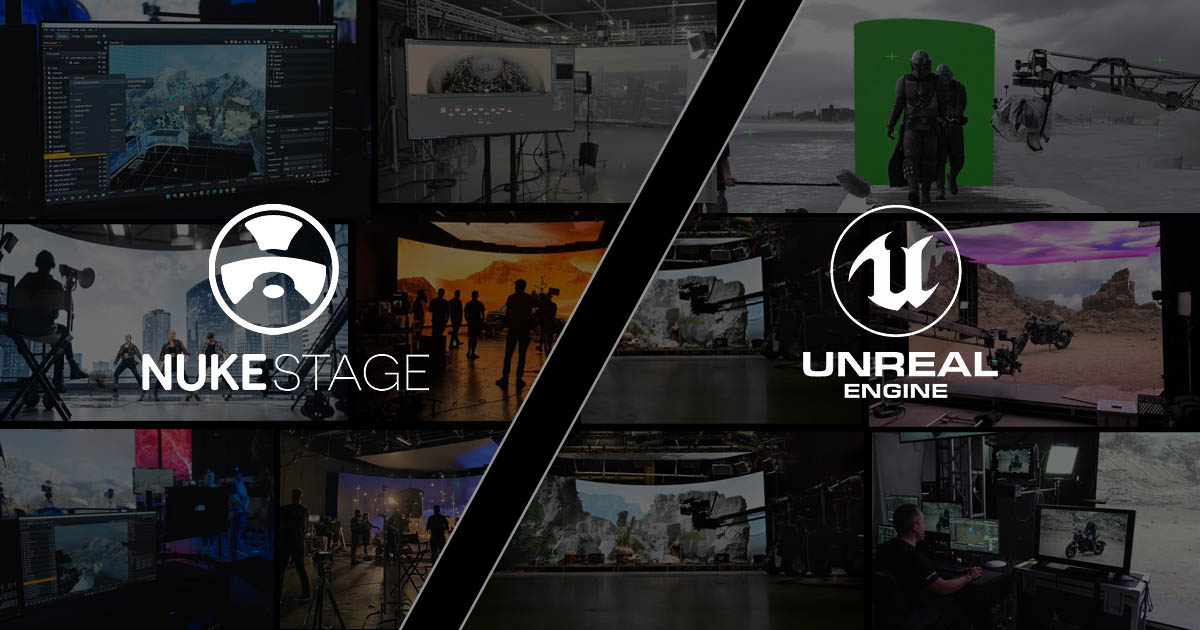
    Nuke Stage workflow compared with Unreal Engine LED wall virtual production on The Mandalorian set

    Virtual production has brought real-time rendering, LED stages, and digital environments into modern filmmaking, creating new ways for filmmakers and VFX teams to collaborate. Unreal Engine is widely associated with real-time environment creation and in-camera visual effects, but it is not the only option for bringing digital content onto a virtual production stage.

  • Motion Capture: Workflows & the Future of Digital Performance

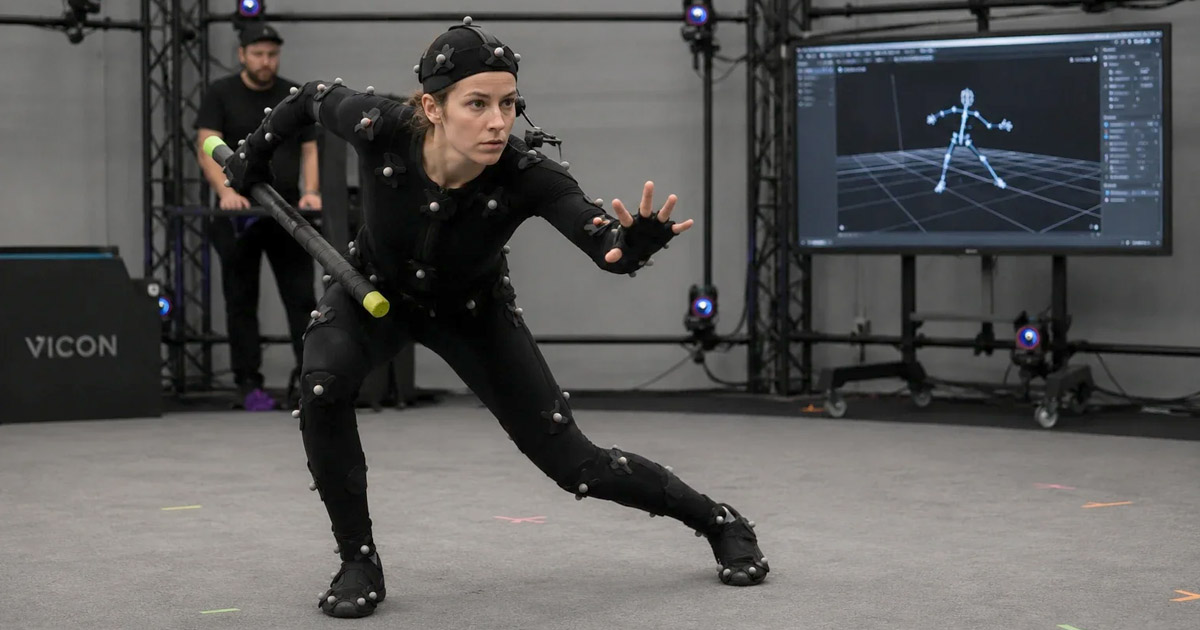
    Actor performing in a Vicon optical motion capture studio with tracking markers and a live skeletal preview

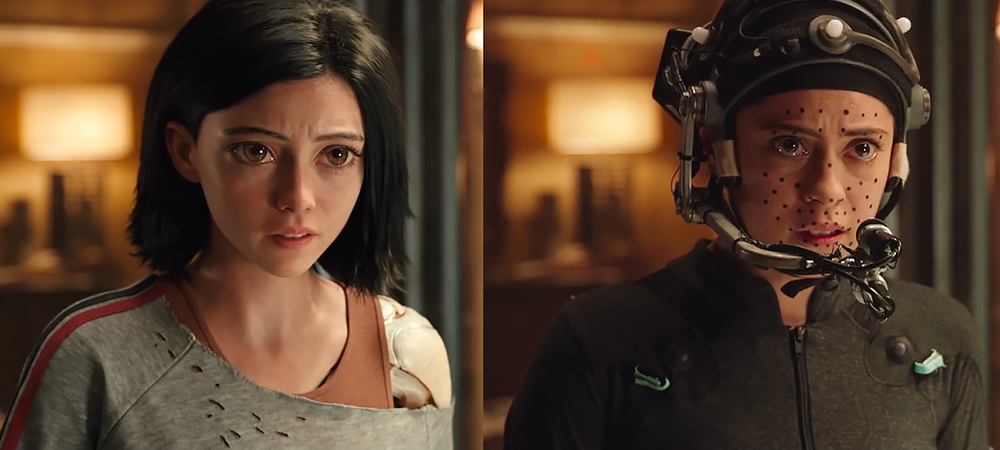
    Motion capture (MoCap) records the movement of people, animals, objects, or performances and converts that information into data that can drive digital characters. In film, visual effects (VFX), animation, and games, it can preserve the timing, weight, and spontaneity of a live performance—then give artists the freedom to adapt that performance to a different character, environment, or shot.

  • Motion Capture Knowledge in Film, Animation, and Gaming

    Motion Capture Knowledge in Film, Animation, and Gaming

    Motion capture, or MoCap, is the process of recording the movements of real humans or objects using specialized technology and transferring that data to digital models for use in films, animation, or video games. In this process, sensors or specialized cameras are placed on an actor’s body or on objects to accurately capture their motion. The recorded motion data is then transferred to a digital model, creating realistic animated movement.

  • Inside the VFX Pipeline: From Shot Design to Final Edit 2

    Inside the VFX Pipeline: From Shot Design to Final Edit 2

    Continuing from the previous article, where we explored the design and planning stages of VFX shots, this part delves into the subsequent steps of the VFX pipeline. Here, we examine how these shots are managed, refined, and edited, including compositing, optimization, and final execution. Building on the foundation laid in the first part, we’ll uncover the processes and teamwork that ensure each VFX shot reaches its full potential and contributes effectively to the storytelling and visual impact of a production.

  • Inside the VFX Pipeline: From Shot Design to Final Edit

    Inside the VFX Pipeline: From Shot Design to Final Edit

    VFX shots refer to scenes in a film that incorporate visual effects. These shots go through a specialized process of design, creation, management, and ultimately compositing and editing. Each step is handled by skilled professionals using dedicated software, hardware, and well-defined production pipelines. In this article, we’ll explore and break down the entire process.

  • Inside Redshift: How GPU Rendering Is Changing VFX and CGI

    Inside Redshift: How GPU Rendering Is Changing VFX and CGI

    Rendering has always been one of the most demanding stages of the 3D and VFX pipeline. As scenes become heavier, simulations become more complex, and artists expect faster feedback, the traditional CPU-based approach to rendering faces increasing pressure.

    This is where Redshift has become particularly interesting.

  • From AI Tools to Smart Pipelines: Foundry’s Acquisition of Griptape & the Future of Nuke & VFX

    Griptape Nodes workflow for AI-powered VFX production

    AI is no longer just a separate tool for generating images or removing unwanted objects. In VFX, AI is gradually becoming part of the production workflow itself — working alongside Nuke, Maya, Blender, and a growing range of AI models and services.

    But this raises an important question:

    What happens when you have several different AI tools and want to turn them into a real VFX workflow?

  • Engineering Reality: The Art, Science and Technology of VFX

    VFX production combining live-action filmmaking, CGI, digital environments, and visual effects

    Visual effects are often described through the images they create: digital characters, impossible environments, spectacular simulations, or worlds that could never have been photographed in front of a camera.

    But the visible result is only the final layer of a much larger process.

CinemaEngineer

At CinemaEngineer, we cover all topics related to Visual Effects, CGI, Cinema, and their related technologies. The activities of CinemaEngineer include education, research and development, and the execution of practical projects.

We entered this field in 2009 and have been working full-time on these goals ever since. Our specialized areas of activity include Visual Effects, 3D Simulations, Motion Graphics, Digital Design, 2D Animation, and Cinema Studies.

At CinemaEngineer, you can find both commercial products and educational materials, as well as free resources and gifts. In addition, important and specialized information is published on our blog through dedicated categories.

Learn More...

Dark Mode

Light Mode

Links

Email : info@cinemaengineer.com

Login